
Last updated November 15, 2026
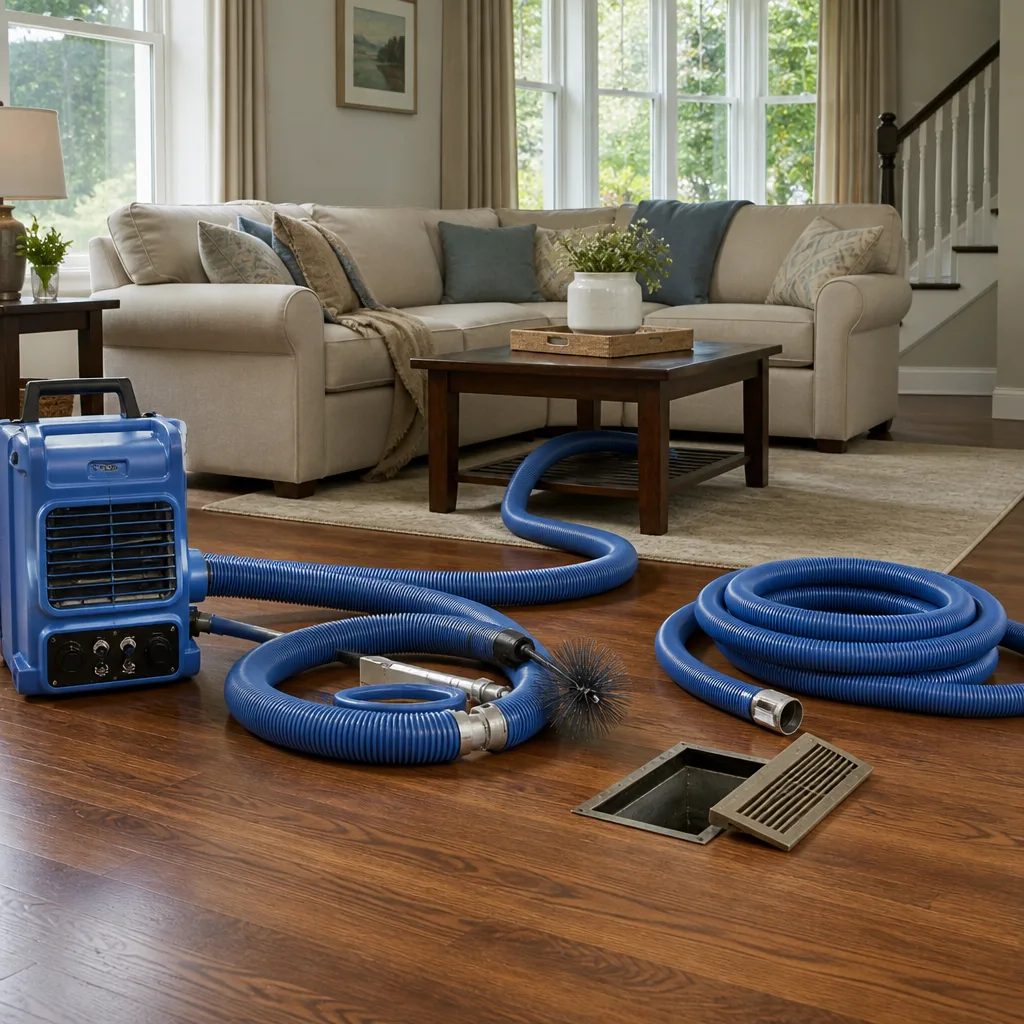 Whole-home duct cleaning
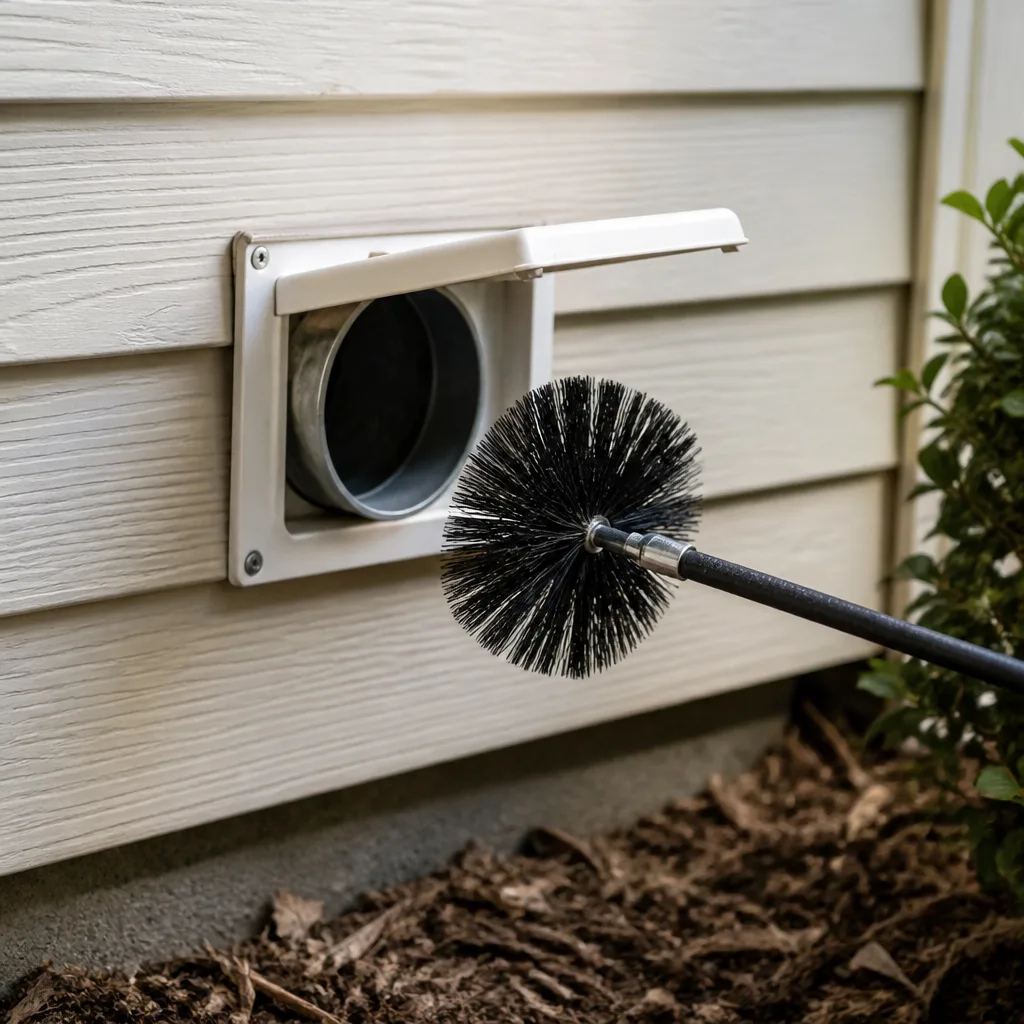 Dryer vent cleaning
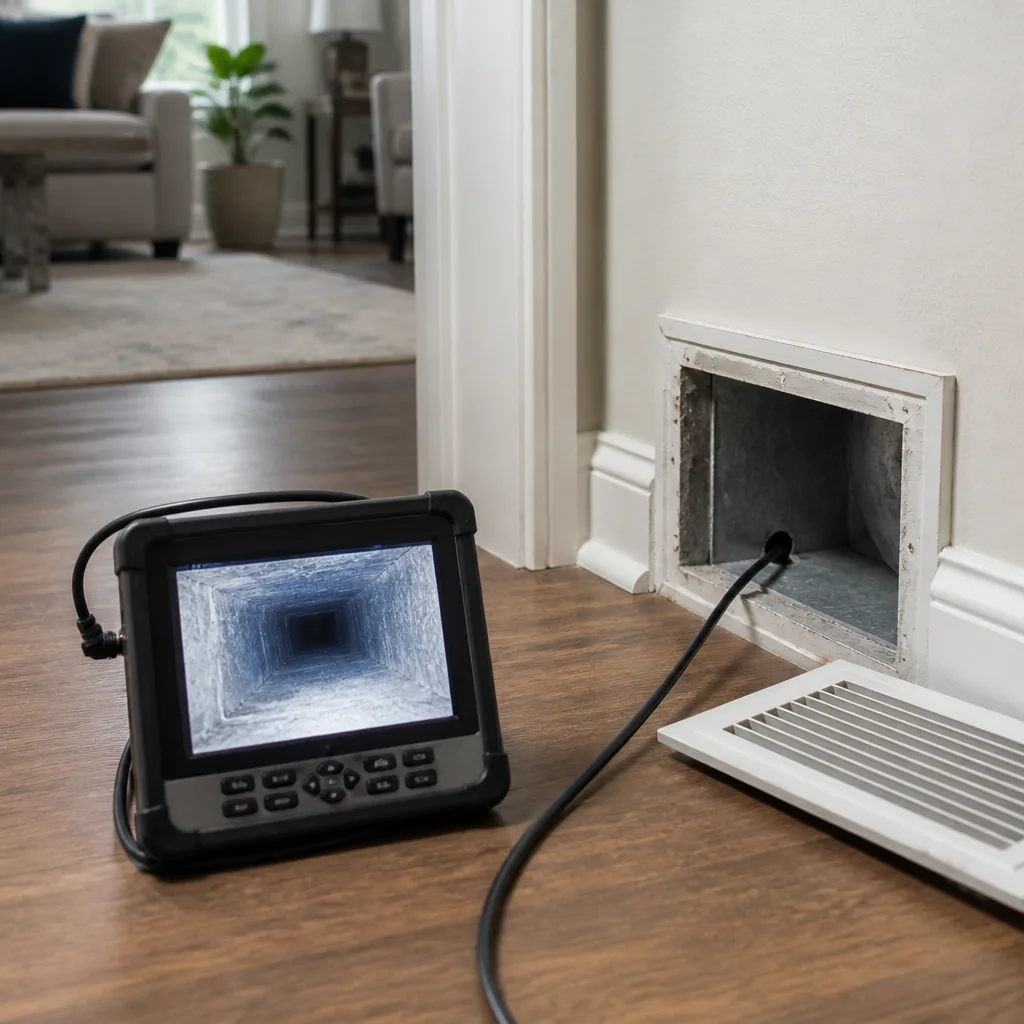 Camera inspection
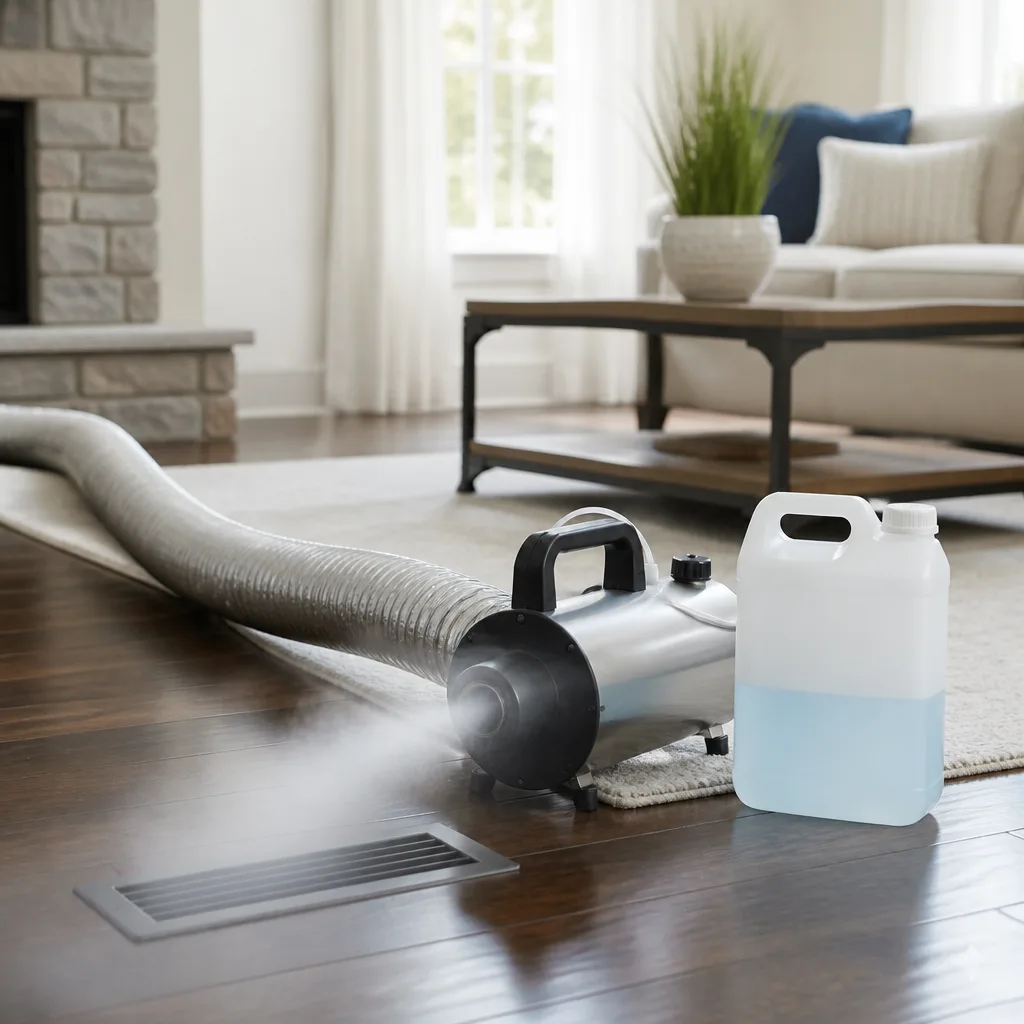 Sanitizing & deodorizing
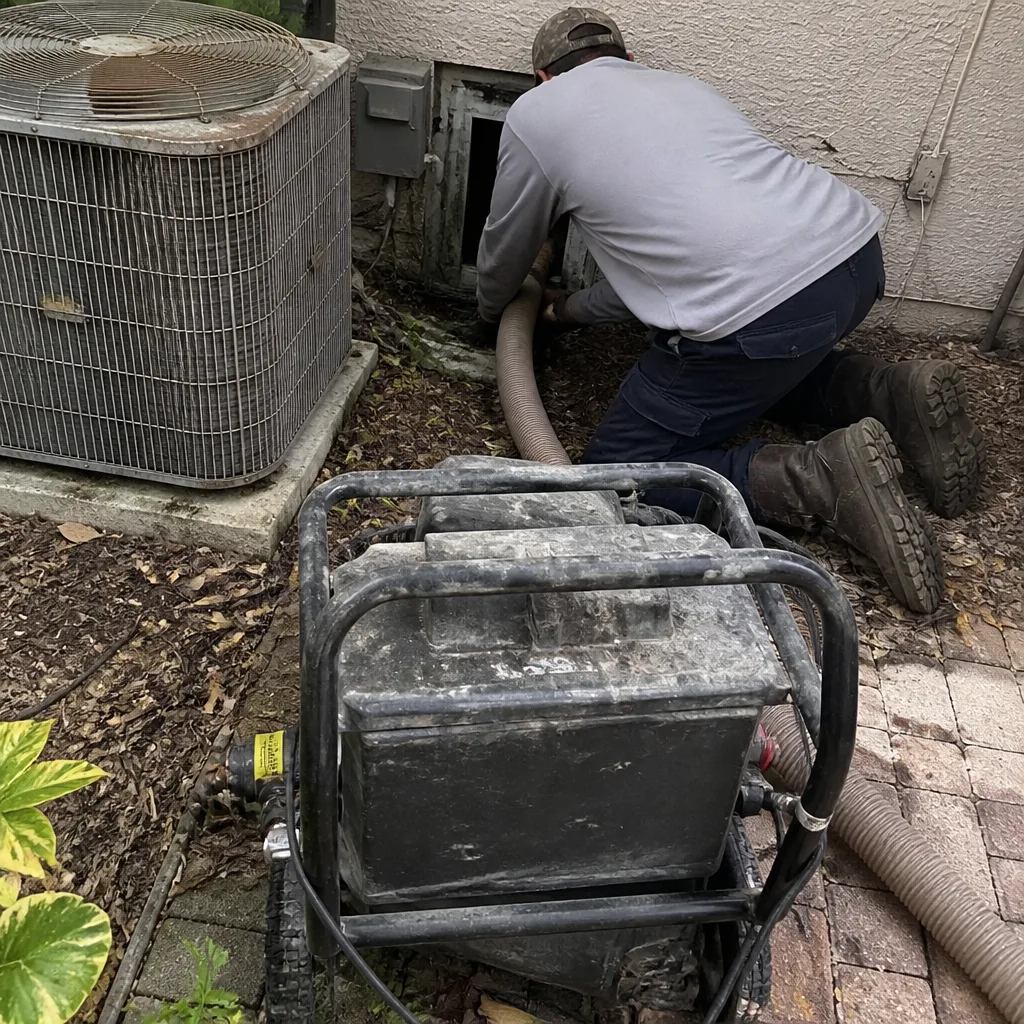
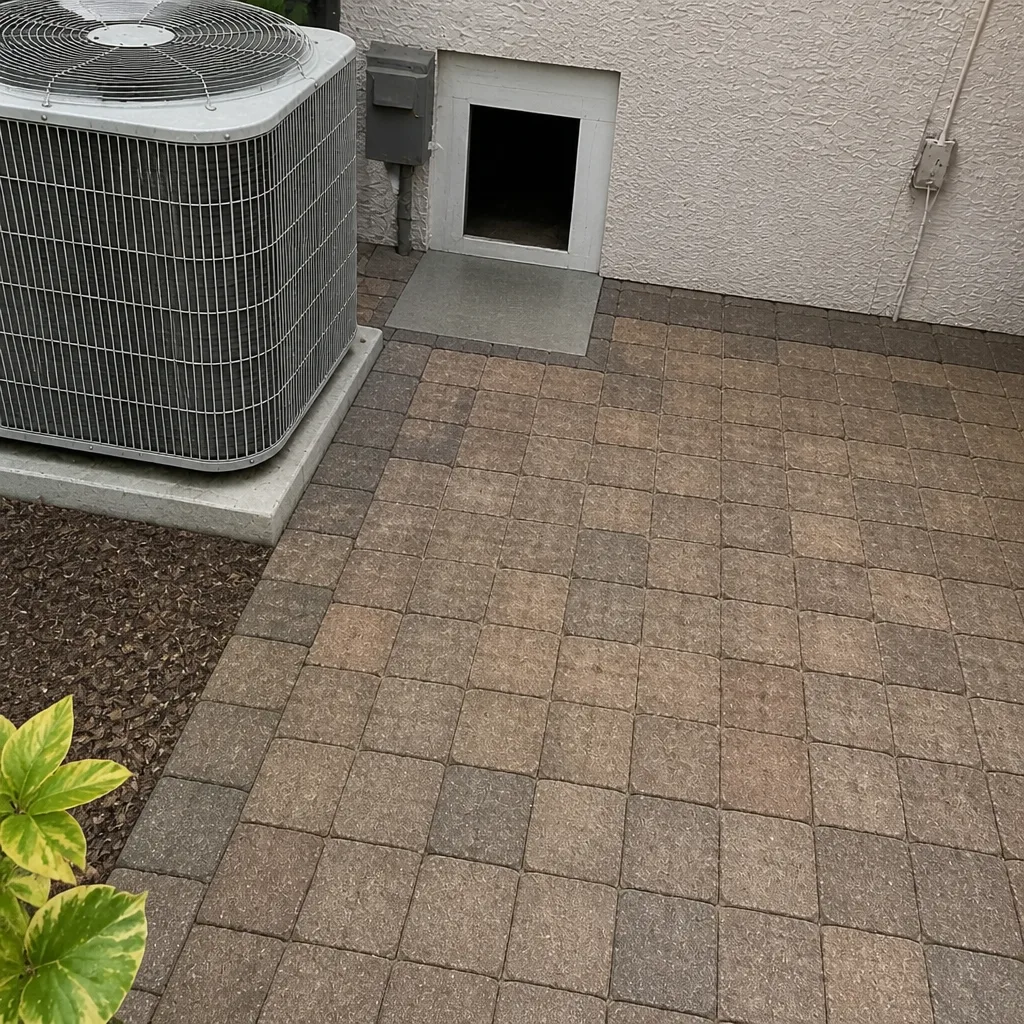
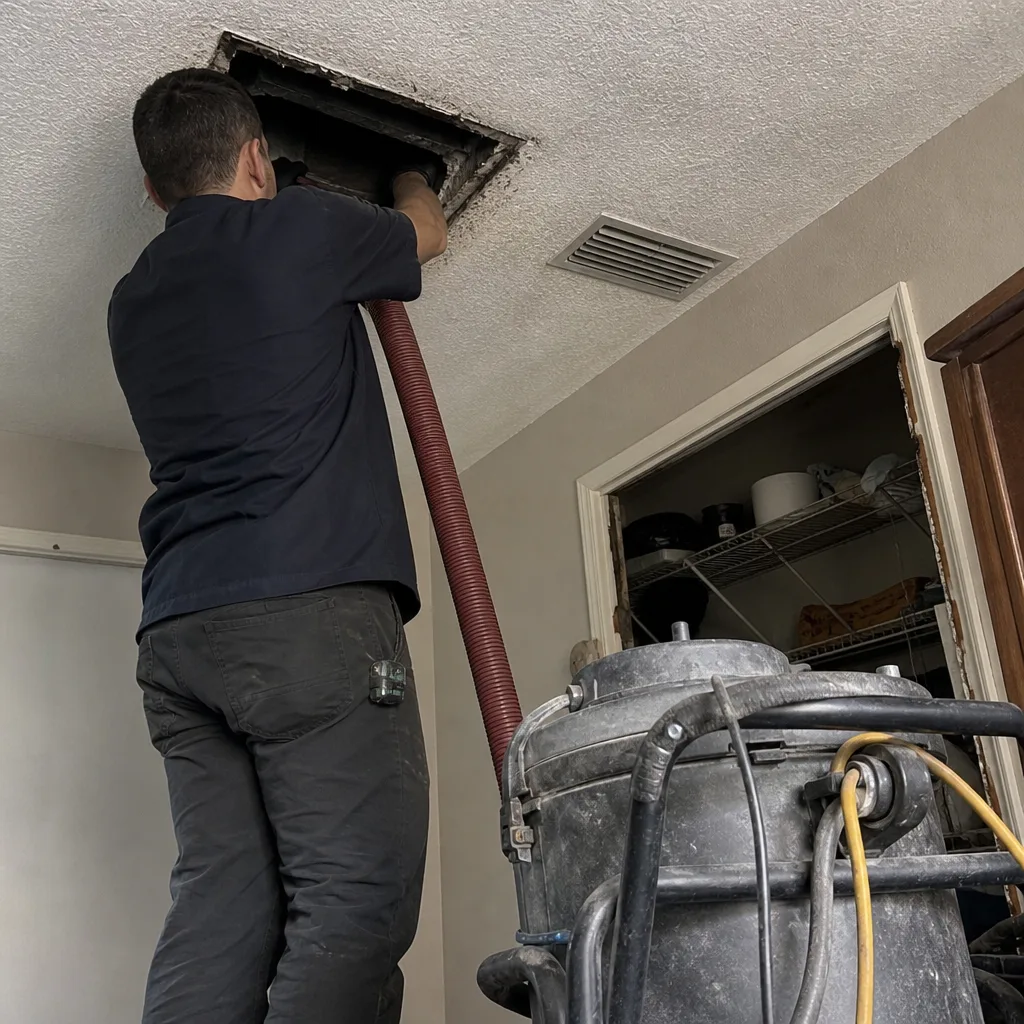
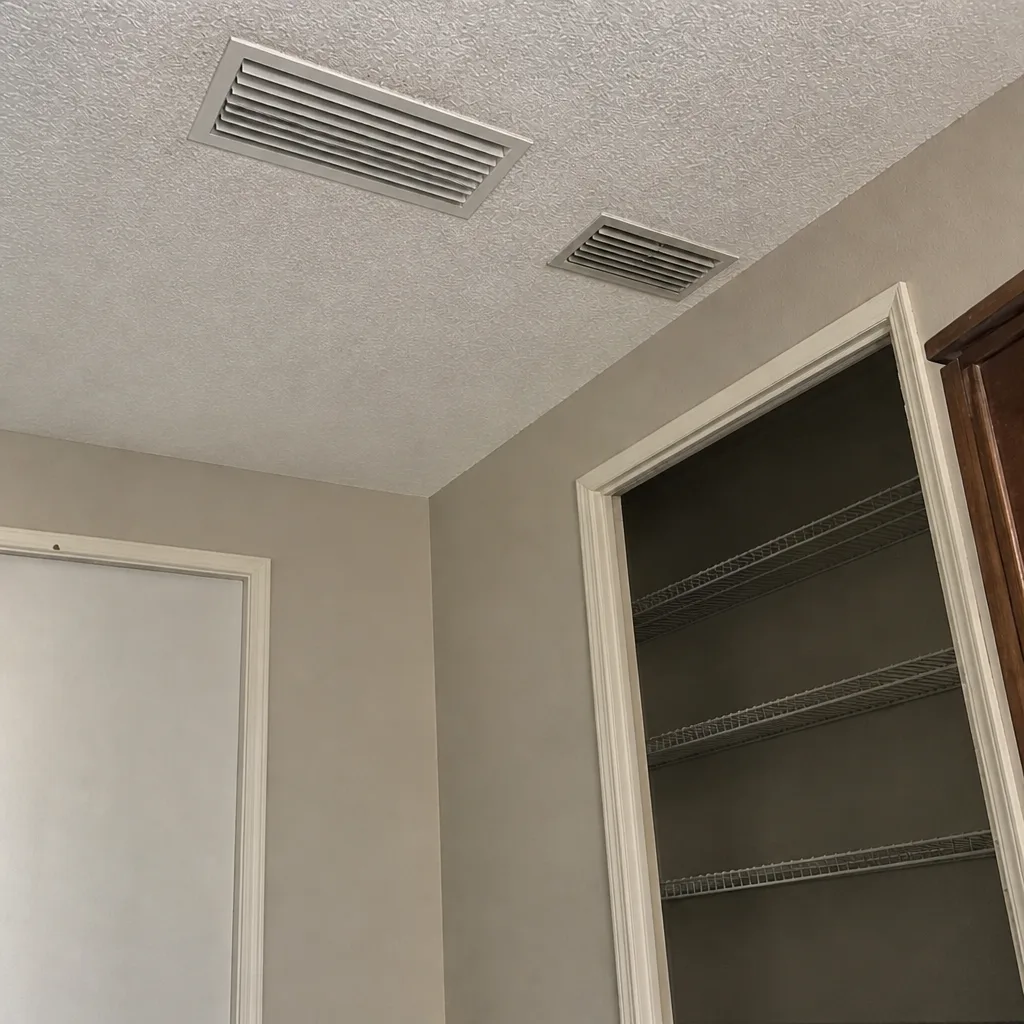
Whole-system duct and dryer vent check with before-and-after photos - you see exactly what came out of your vents
That "$99 whole-house special" is a bait ad - the real number appears once they are in your hallway, or the "clean" is a shop-vac at the register. We photograph the inside of your ducts before and after instead.
Air Duct Cleaning Maintenance Checklist for Coral Springs Homeowners
The most common mistake we see in Coral Springs duct maintenance isn’t skipping cleanings. It’s treating a South Florida HVAC system like it’s in Ohio. Here, the system runs nearly year-round, the outdoor air is heavy with humidity, and the indoor air stays warm enough that anything wet stays wet. A checklist built for a house with a real winter gives you the wrong intervals and the wrong priorities. What follows is a month-by-month schedule written for Coral Springs conditions, with the inspection habits and record-keeping that let you tell the difference between a system that needs a cleaning and one that needs a repair.
Styles & brands we work with
- Whole-home duct cleaning
- Dryer vent cleaning
- Camera inspection
- Sanitizing & deodorizing
Quick Answer
A Coral Springs air duct maintenance checklist should cover four things on a repeating cycle: filter changes every 60 to 90 days (30 to 60 in a home with pets or recent renovation), a monthly visual check of supply and return registers, a monthly condensate drain check during the rainy season, and a professional whole-system cleaning and inspection every two to three years. Homes near busy roads, homes with indoor pets, and homes that just finished a renovation should shorten those intervals. Every task on this list is something you can do yourself except the professional clean, which requires professional-grade equipment to do properly.
Table of Contents
- Why Coral Springs Ductwork Ages Differently
- The Month-by-Month Coral Springs Checklist
- Filter Specs for South Florida Homes: What MERV You Actually Need
- How to Inspect Your Registers Between Professional Visits
- The Condensate Drain Line: Duct Health’s Quiet Companion
- Dryer Vent Maintenance on the Same Schedule
- The Maintenance Log That Pays for Itself
- Common Mistakes to Avoid
- When to Call a Professional
- Frequently Asked Questions
- The Bottom Line
Why Coral Springs Ductwork Ages Differently
Coral Springs averages over 130 days a year above 90°F, and humidity regularly exceeds 80%. That combination has a specific consequence for ductwork: your air handler is running most of the year, which means dust is being pulled through the system constantly rather than for six months at a time. Filters load faster. Coils collect a film of moist dust faster. And any spot in the ductwork where condensation can form stays damp long enough for biological growth to take hold.
The practical problem is the drip pan. In a climate where the air handler runs around the clock, a neglected drip pan that stays wet is a mold incubator in under a month. That’s not alarmism, it’s the physics of a warm, wet, dark enclosure. The same conditions drive the two failure modes we see most often in Coral Springs homes:
- Dust accumulation at the supply registers from air that’s been filtered less effectively than the homeowner assumed, often because a high-MERV filter was installed in a system that can’t handle the static pressure.
- Microbial growth on the evaporator coil and in the plenum where warm return air meets a cold coil and the condensation never fully dries out.
Coral Springs sits inland enough that the seasonal pattern is distinct. The dry season, roughly November through April, brings lower humidity and less rain. Hurricane season, June through November, brings daily downpours and the highest indoor humidity of the year. Your maintenance priorities shift with that pattern, which is why the checklist below is organized by month rather than as a flat list.
One more local factor: new construction. Coral Springs has seen steady residential growth, and a home that’s under five years old still has construction dust in the ductwork, drywall particles and sawdust that settled during the build. If you moved into a newer Coral Springs home and never had the ducts cleaned after the builder finished, that’s the first call to make.
The Month-by-Month Coral Springs Checklist
This is the core of the guide. Each month has one or two specific tasks, and the tasks are chosen for what the Coral Springs climate is actually doing that month. Print it, screenshot it, or copy it into your maintenance log.
January through March: Dry Season Reset
- January: Change the filter. Inspect the drip pan and condensate drain (more on this below) while the system’s duty cycle is lowest. Look inside two return registers with a flashlight for a baseline photo.
- February: Vacuum the supply and return register grilles with a brush attachment. Check for any new discoloration around the register frame.
- March: Change the filter. Walk the attic or mechanical closet and confirm the air handler is dry, with no standing water and no musty smell. This is the last cool month, so it’s the best time to schedule a professional cleaning before the system starts running hard.
April through May: Pre-Season Prep
- April: If a professional cleaning is due this cycle, book it now, before the summer rush. Confirm the air handler closet has clear space around it and the return grilles aren’t blocked by furniture or storage.
- May: Change the filter. Flush the condensate drain line with water to confirm it’s flowing freely. If you have a Honeywell or Aprilaire whole-home filtration or humidity system, this is the month to check its status indicator and replace media if needed.
June through November: Hurricane Season Vigilance
- June: Change the filter. Check the drip pan after the first heavy rain stretch. Confirm your AC closet and attic aren’t showing signs of roof or window intrusion.
- July: After any named storm or extended power outage, inspect the drip pan and the air handler for moisture. If the system ran through an outage and restarted, watch for a musty smell in the first few days.
- August: Change the filter. This is the peak-load month. Check register airflow by hand: a weak supply register with the system running is an early sign of a duct problem or a coil issue.
- September: Inspect the return registers for dust streaks. Clean the grilles. If you can see into the return drop, look for debris that’s collected on the duct floor.
- October: Change the filter. After the storm season, do a post-season walk-through: attic insulation, duct connections, roof penetrations. Any visible duct disconnect or crushed flex duct is a repair, not a cleaning issue.
- November: Confirm the condensate drain is flowing. Check the drip pan for standing water one more time before the dry season gives you a lower duty cycle.
December: Close the Year
- December: Change the filter. Update your maintenance log with the year’s professional service dates, filter change dates, and any observations. That log is what lets a contractor diagnose the system quickly the next time.
Two things to note about this schedule. First, it’s deliberately front-loaded with professional cleaning in the spring, before the system’s heaviest months. Second, the storm-season checks are monthly because a single wet week with a clogged drain can create a problem that a dry-season check would never catch.
Filter Specs for South Florida Homes: What MERV You Actually Need
Most Coral Springs homes have an air handler with a 1-inch filter slot, and most homeowners buy the highest MERV rating on the shelf because “higher is better.” It isn’t. A filter that’s too restrictive for your system’s blower chokes airflow, which raises static pressure, which causes the coil to run colder and stay wetter, which is exactly the condition you’re trying to avoid.
Here’s a practical breakdown for South Florida conditions:
- MERV 8: The sensible default for most Coral Springs homes. Good filtration without starving the system. This is where most homes should sit between professional cleanings.
- MERV 11 to MERV 13: Appropriate if someone in the household has significant allergy symptoms, or if you have indoor pets, or if the home has a recent renovation. Check that your blower can handle the added restriction (a technician can measure this).
- MERV 16 or HEPA: Rarely appropriate for a standard residential system. These are for hospital-grade setups and should only be used with a system designed for them.
The 1-inch depth is the constraint. If your filter slot is 4 or 5 inches deep, a thicker pleated filter at the same MERV rating gives you more surface area and less restriction. Many Coral Springs homeowners with newer systems have this option and don’t know it. If you have a Honeywell or Aprilaire filter cabinet, the manufacturer’s media is matched to the cabinet size, which is why those systems tend to run with less airflow penalty than a 1-inch filter stuffed into the same slot.
Change cadence for Coral Springs: a MERV 8 filter in a home with no pets, no renovation, and a 1-inch slot should be changed every 60 to 90 days. That’s shorter than the national 90-day default because the system runs year-round. Homes with pets or recent construction should change every 30 to 60 days. Write the date on the filter edge with a marker; it’s the simplest way to keep honest.
How to Inspect Your Registers Between Professional Visits
Your supply and return registers are the easiest place to see what’s happening inside the ductwork without any tools. The next time you’re standing under one, this is what to look for.
Even gray dust: normal accumulation between cleanings. Vacuum the grille and move on.
Black or dark streaks accumulating faster than other registers: often a register closest to the return, or a register on a duct run that’s seeing higher-than-normal airflow. Worth pointing out to a technician.
White or light-colored powder: can be drywall dust if the home is new or recently renovated. In an older home, it can signal something else, so get it looked at.
Greenish or dark spotting around the register frame: moisture. This is the pattern that should trigger a drain line and drip pan check the same day you notice it.
Rust staining around the register frame: water is present at the register, which usually means condensation on the duct or a leak above it.
Loose or unseated register: a gap around the boot lets unfiltered attic air into the supply stream. This is a repair item, and fixing it is exactly the kind of thing we mean when we say we repair what others just clean around.
Take a photo of each register the first time you check. There are 8 to 12 in a typical Coral Springs home. Once you have a baseline, a monthly photo comparison tells you more than any general “does it look dirty” judgment ever could. That’s how you know whether duct cleaning is due, or whether it’s an air duct cleaning job that needs to pair with a repair visit.
The Condensate Drain Line: Duct Health’s Quiet Companion
A clogged condensate line is often the first sign of a bigger system problem. That’s not because the line is the problem; it’s because a drain that clogs repeatedly is telling you the drip pan is collecting more water than it should, which usually means the coil is dirty or the system is running low on refrigerant, which usually means the ducts are getting moisture they shouldn’t.
Here’s the check, once a month during the rainy season and once at the start of the dry season:
- Locate the condensate drain line where it exits near the air handler and where it terminates outdoors or at a floor drain.
- Look for standing water in the drip pan. Standing water means the drain is blocked or the pan is not pitched correctly.
- Look at the drain line’s exterior termination. If it’s dry when the system has been running during humid weather, the line is likely blocked.
- Note any algae growth in the visible line. In Coral Springs, warm condensate plus daylight equals algae, and a slow buildup is easy to miss until it stops the drain entirely.
If you have a safety float switch on the pan, test it by checking that it hasn’t tripped. If the system has shut off and you find water in the pan, don’t restart it until the pan and line are cleared. That’s a same-day call, and we answer 24/7 at (844) 761-5395.
We include the drain check in this checklist because duct health and drain health fail together. A system with clean ducts and a blocked drain still creates the wet conditions that make ducts dirty again in a few months.
Dryer Vent Maintenance on the Same Schedule
The dryer vent is ductwork, and it’s the duct in your Coral Springs home with the highest fire risk. Lint accumulates in the vent line faster than in any HVAC duct because the dryer pushes a continuous stream of warm, moist, lint-laden air through it. The same humid climate that slows drying on your clothes line means your dryer is running longer, which means more lint is passing through the vent.
On this checklist’s timeline, add the following:
- Monthly: Clean the lint screen before every load. Check the outdoor vent flap for lint buildup.
- Every 6 months: Pull the dryer out and vacuum the transition duct between the dryer and the wall. Check the outdoor termination for lint or blockage.
- Every 1 to 2 years: Professional dryer vent cleaning. Coral Springs homes with long vent runs or vents that exit onto older construction should be on the shorter end of that range.
Warning signs to act on sooner: the dryer takes noticeably longer to dry a load, the dryer cabinet feels hot to the touch, the outdoor vent flap doesn’t open when the dryer is running, or the inside of the vent has visible lint accumulation. Any of those are a reason to call rather than wait for the next scheduled cleaning.
The Maintenance Log That Pays for Itself
A log is the difference between telling a contractor “the air has felt funny for a while” and telling them “the return register in the hallway started streaking in July, after the third week of rain, and the filter was changed on the 14th.” The second version lets a technician diagnose in one visit. The first version costs everybody time.
You don’t need software. A sheet of paper on the inside of a closet door works. Columns to track:
- Date of every filter change and every professional service.
- Filter MERV and filter size (write the exact size; this saves you the annual trip back to the store with a tape measure).
- Register observations by room, with a note on streaks, spotting, or airflow changes.
- Condensate drain status at each check: flowing, slow, or blocked.
- Weather events that might have affected the system: named storms, extended power outages, long rain stretches.
- Professional service dates and what was done, especially if a repair or sealant job was completed.
- Photo references: a note of which photos were taken when, so you can pull them up later.
Bring the log to your next estimate. It shortens the conversation and makes the recommendation more accurate. It also tells a contractor you track the system, which tends to shift the conversation from “do you want the premium package” to “here’s what this specific system needs.”
Common Mistakes to Avoid
- Buying the highest-MERV filter on the shelf. In a Coral Springs home, an oversized restriction on the blower reduces airflow and creates the wet coil conditions you’re trying to prevent. Match the filter to the system, not to the marketing claim.
- Judging duct cleanliness by the registers alone. Clean grilles with dirty ducts behind them is the most common look of an unmaintained system. Registers are the entry point for inspection, not the final word on condition.
- Skipping the drain line because “it’s not ductwork.” The drain is the reason duct problems recur. A wet pan and a wet duct are the same problem in different stages.
- Waiting for “the smell” before calling anyone. A musty smell is the late signal. Discoloration at a register and a slow drain are the early ones, and they’re easier and cheaper to act on.
- Ignoring construction dust in a newer home. If the builder’s crew swept up but never cleaned the ducts, you’ve been breathing drywall dust since move-in. That’s the first professional cleaning a new Coral Springs home needs.
- Booking the cheap coupon crew. The low teaser price is the oldest trick in this trade. One flat price per system, agreed before any work starts, with before-and-after photos of your own ducts, is the standard you should hold any contractor to.
- Not writing anything down. Without a log, every service visit starts from zero, and the system’s history is lost. Five minutes of note-taking pays for itself quickly.
When to Call a Professional
Most of this checklist is yours to run. These specific situations are the ones that need professional equipment and a technician’s eyes:
- Visible dust streaks at multiple registers, or dust settling on surfaces within a few days of cleaning.
- A musty or “dirty sock” smell when the system starts up, especially after a storm or an extended vacancy.
- Standing water in the drip pan, or a condensate line that’s stopped flowing.
- A recent renovation or new construction, with drywall dust in the system.
- A dryer that’s taking longer than it used to, or a vent flap that doesn’t open freely.
- Visible duct damage: crushed flex duct, disconnected joints, or register boots with gaps.
- It’s simply been two to three years since the last professional cleaning.
Harborview Air Duct Cleaning offers free estimates in Coral Springs. Call (844) 761-5395. We answer 24/7. Fast dispatch from 7am to 7pm, Sunday through Friday. Professional-grade equipment does the work; we use Rotobrush rotary cleaning and Nikro high-efficiency vacuum systems, the same platforms commercial contractors rely on, with Abatement Technologies integration for contaminant capture and Guardsman-line finish products so the system comes out sealed and protected, not just debris-free. One flat price per system, agreed before work starts, with before-and-after photos of your own ducts.
One safety note before you climb into an attic or open a mechanical closet to inspect ductwork: attics in Coral Springs get dangerously hot, and the combination of heat, a steep or low crawl space, and potentially energized equipment is a real risk. A visual check through accessible registers is safe and worthwhile; anything involving the air handler itself, wiring, or a full attic walk is a job for a trained professional. If in doubt, call us and let the technician do the inspection.
Frequently Asked Questions
Every two to three years for a typical home, and more often (every one to two years) for homes with pets, recent renovations, allergy-sensitive occupants, or homes that have never had the ducts cleaned since construction. The Coral Springs climate pushes toward the shorter interval because the system runs year-round.
MERV 8 for most homes, MERV 11 to 13 for homes with pets, allergies, or recent renovations. Avoid MERV 16 or HEPA in a standard residential system; the added restriction is more likely to hurt airflow than help filtration.
Whole-system pricing depends on the size of the home, the number of systems, and whether a repair is needed. We quote one flat price per system after seeing the home, agreed before any work begins, with no per-vent pricing and no teaser coupon. Call (844) 761-5395 for a free estimate. The written estimate sets the final price.
Because the low number is a teaser, not a price. A coupon figure gets a technician in the door and the invoice grows from there. One flat price per system, agreed before the work starts, with before-and-after photos of your own ducts, is the standard that protects you. Ask for that in writing before booking anyone.
Before-and-after photos of your own ducts, not a stock image. A technician with professional equipment (Rotobrush rotary cleaning, Nikro vacuum) can also show you what was removed. If a contractor can’t provide both the photos and the equipment description, that’s a reason to choose someone else.
Yes. A blocked drain leaves water in the drip pan, which raises indoor humidity at the air handler, which keeps the coil and nearby ductwork wet, which feeds microbial growth and makes ducts dirty again faster. That’s why the drain check belongs on the same maintenance schedule as the duct check. If the pan has standing water, don’t restart the system; call (844) 761-5395 and we’ll get someone out. We answer 24/7, with fast dispatch from 7am to 7pm, Sunday through Friday.
Not always, but you should inspect. A storm that pushes water into the attic or window frames can leave the air handler wet, and an extended outage can let condensation sit on the coil. Check the drip pan and sniff the return air after any significant storm; if either shows a problem, call for an inspection. For homes nearby in Lauderhill, we run the same checklist.
Will professional cleaning fix a musty smell, or do I need a repair?
Often the cleaning is the fix, but not always. A musty smell usually means moisture in the system, and the fix for a moisture problem can be a drain clearing, a duct seal, a duct repair, or some combination. That’s why we diagnose before we clean. When the repair is the answer, an air duct repair visit handles it onsite rather than scheduling a second trip. If you’d like to understand our overall approach, start with Harborview Air Duct Cleaning.
The Bottom Line
Coral Springs duct maintenance isn’t a generic filter-change list. It’s a schedule built for a climate where the system runs year-round, the humidity stays high, and the rainy season does the most damage. Filters every 60 to 90 days at MERV 8 for most homes, monthly register checks, monthly condensate drain checks during hurricane season, professional cleaning every two to three years, and a written log that keeps the system’s history intact. Everything on this list is either something you can do yourself in five minutes or something a technician with professional-grade equipment should do. If you’re not sure which side of that line you’re on, that’s the moment to call. Call (844) 761-5395. We answer 24/7. Fast dispatch from 7am to 7pm, Sunday through Friday. Estimates are free, and the price is set per job by the written estimate.
Written by the team at Harborview Air Duct Cleaning.
See the difference
 Before
 After
 Before
 After
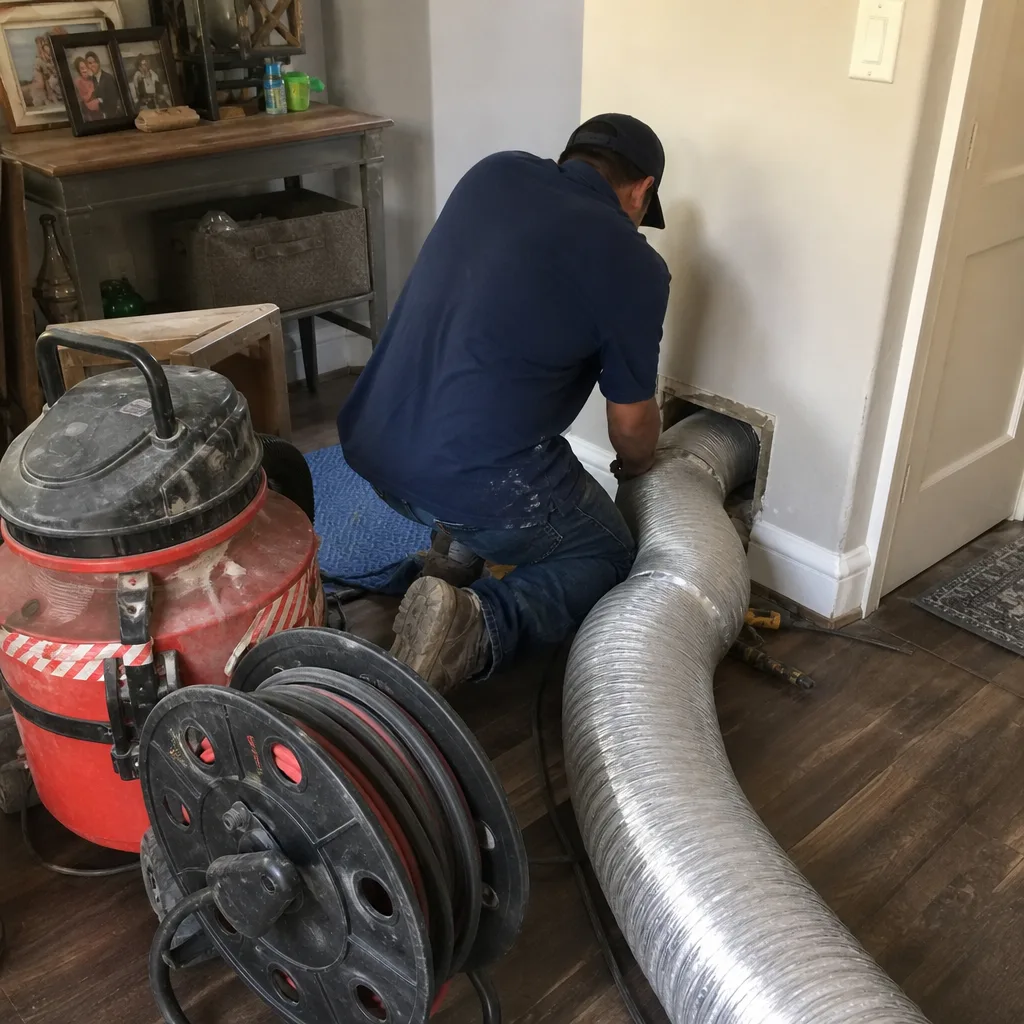 Before
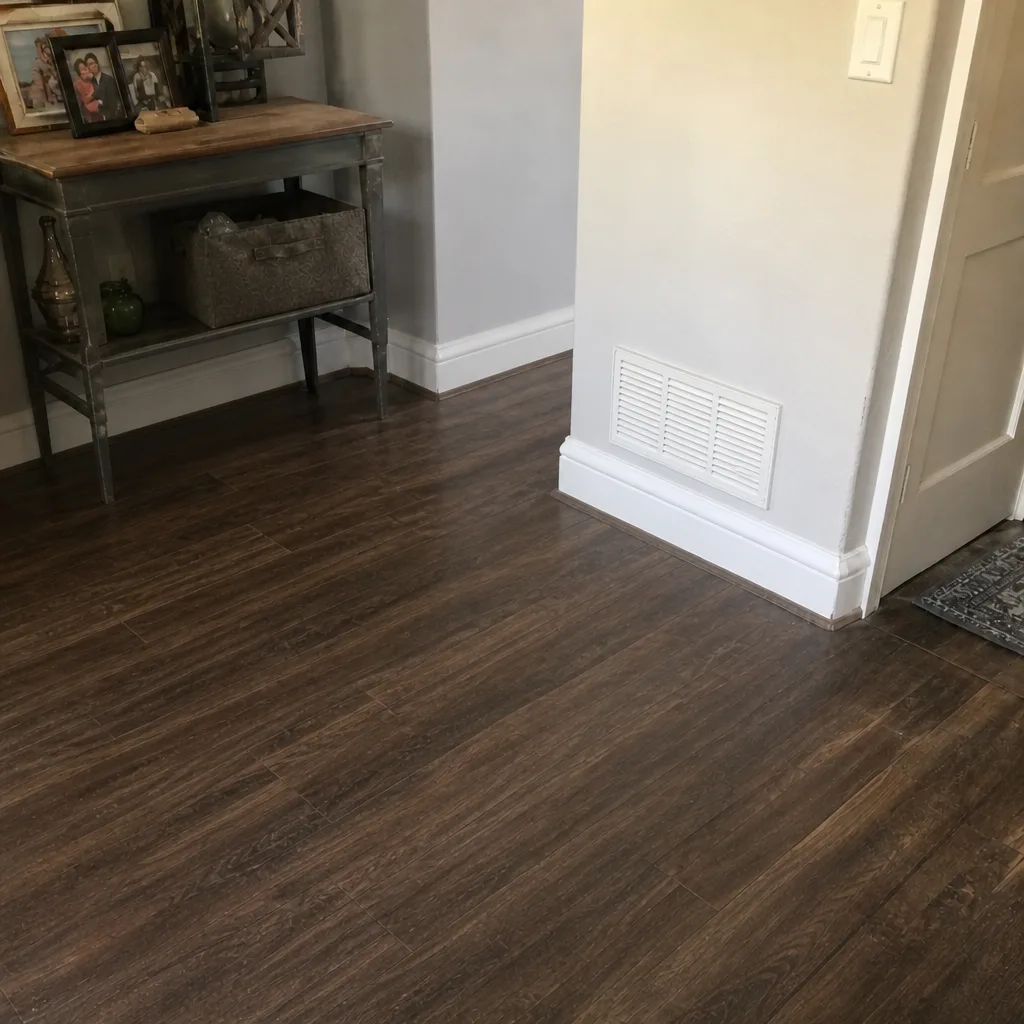 After