
Last updated November 15, 2026
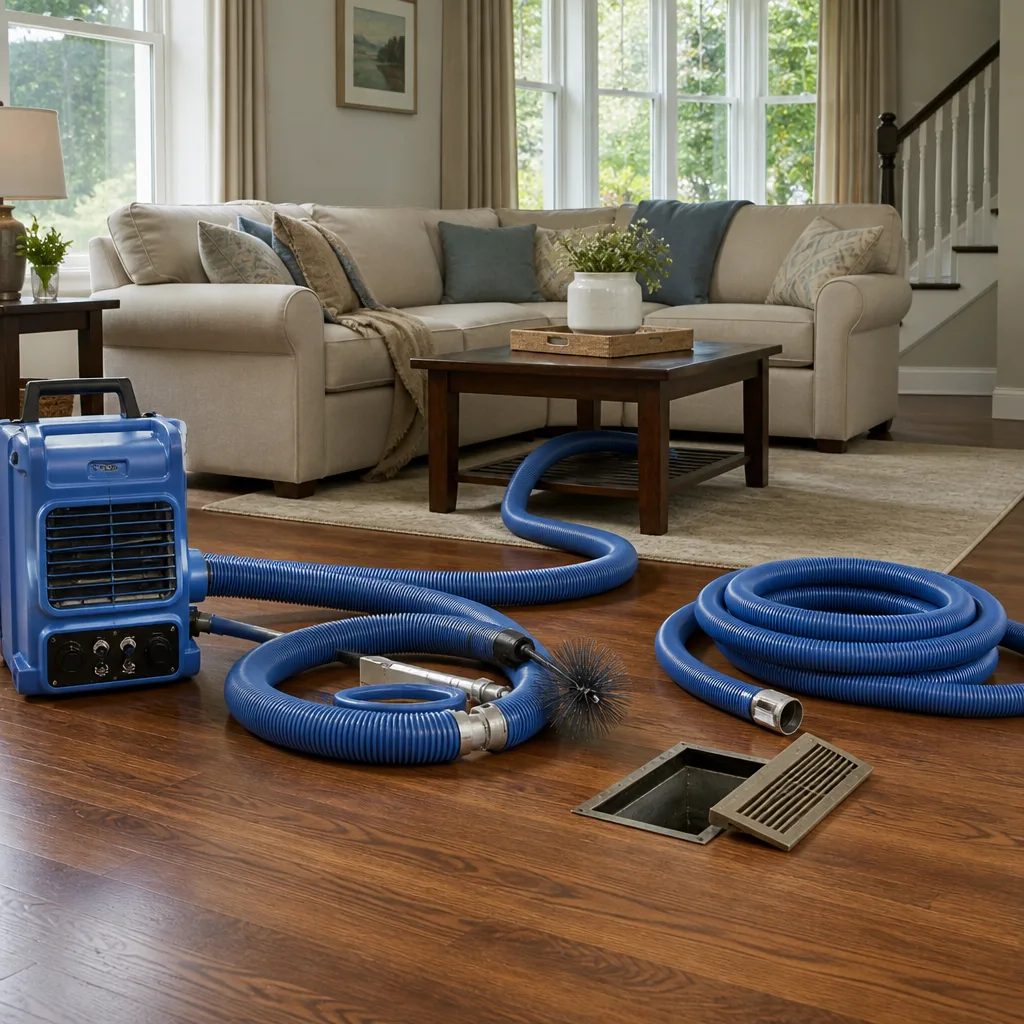 Whole-home duct cleaning
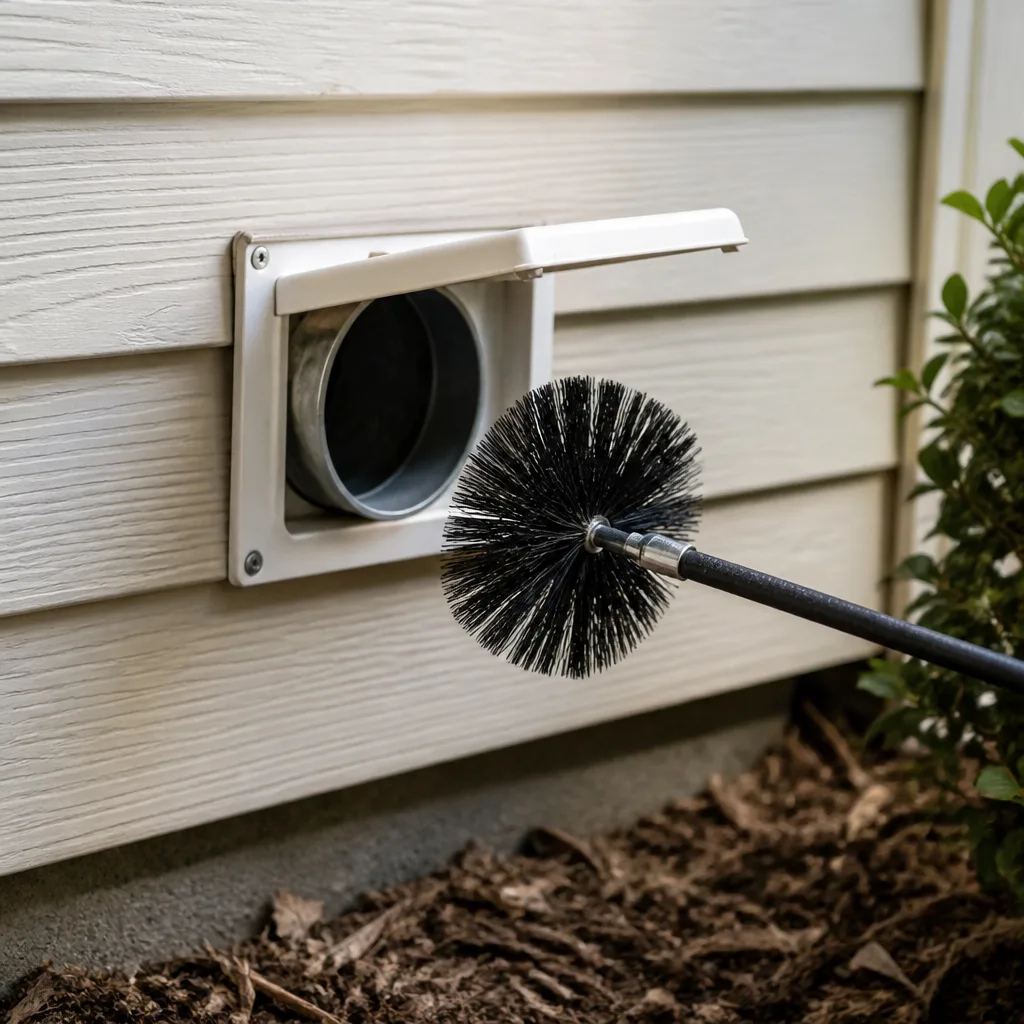 Dryer vent cleaning
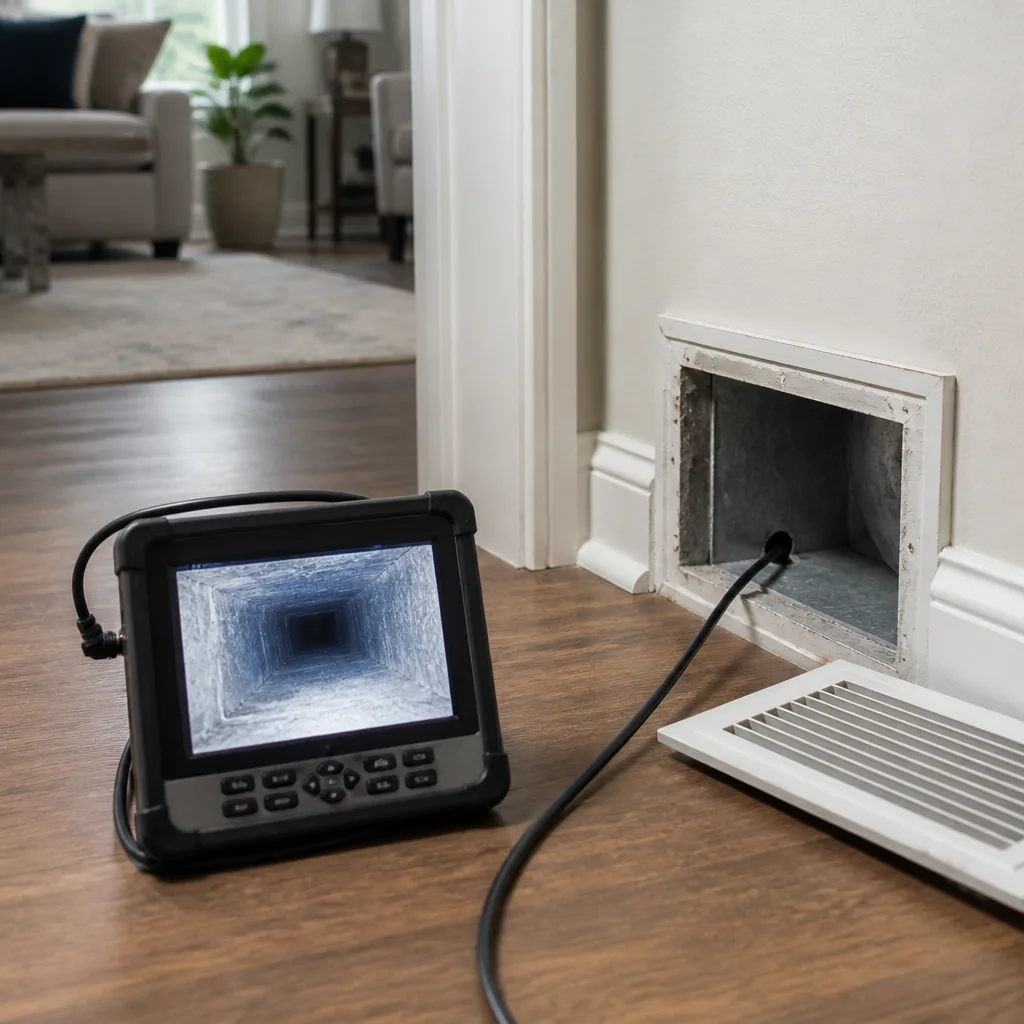 Camera inspection
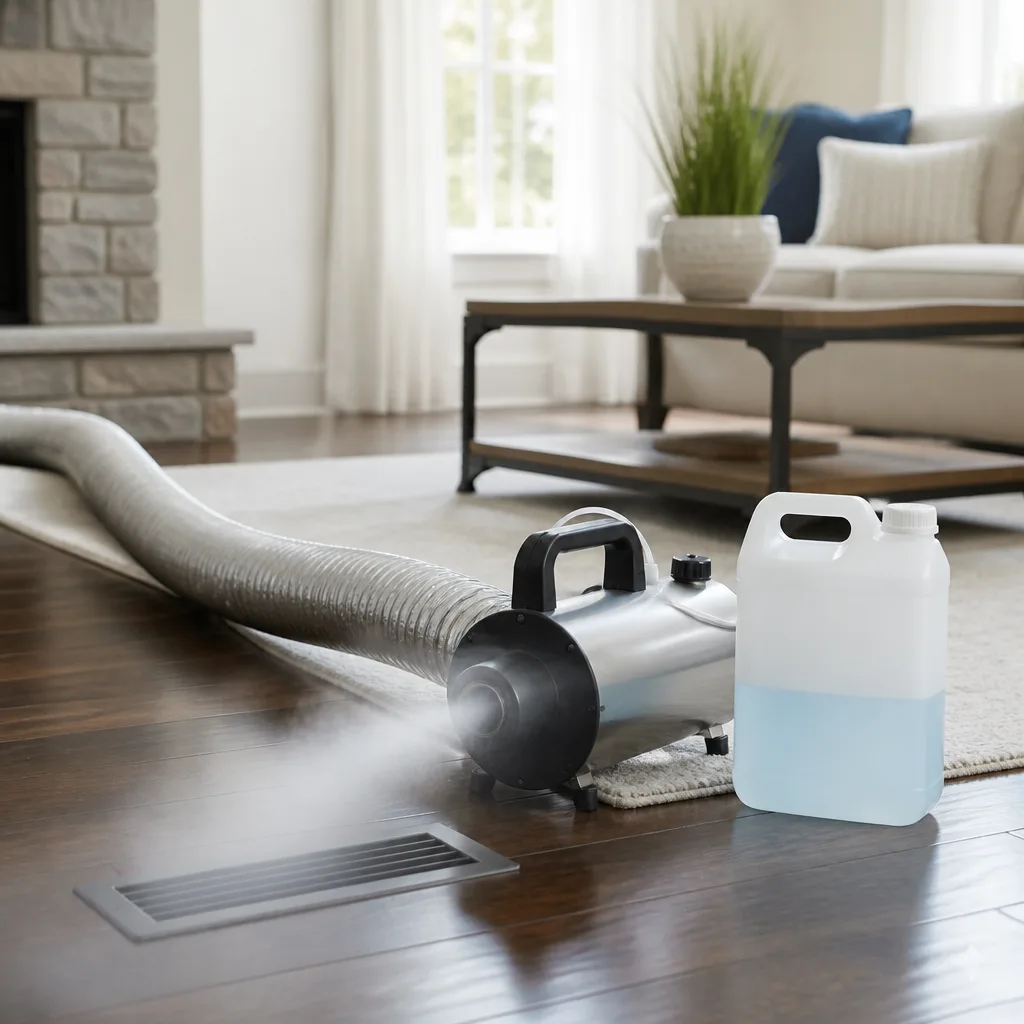 Sanitizing & deodorizing
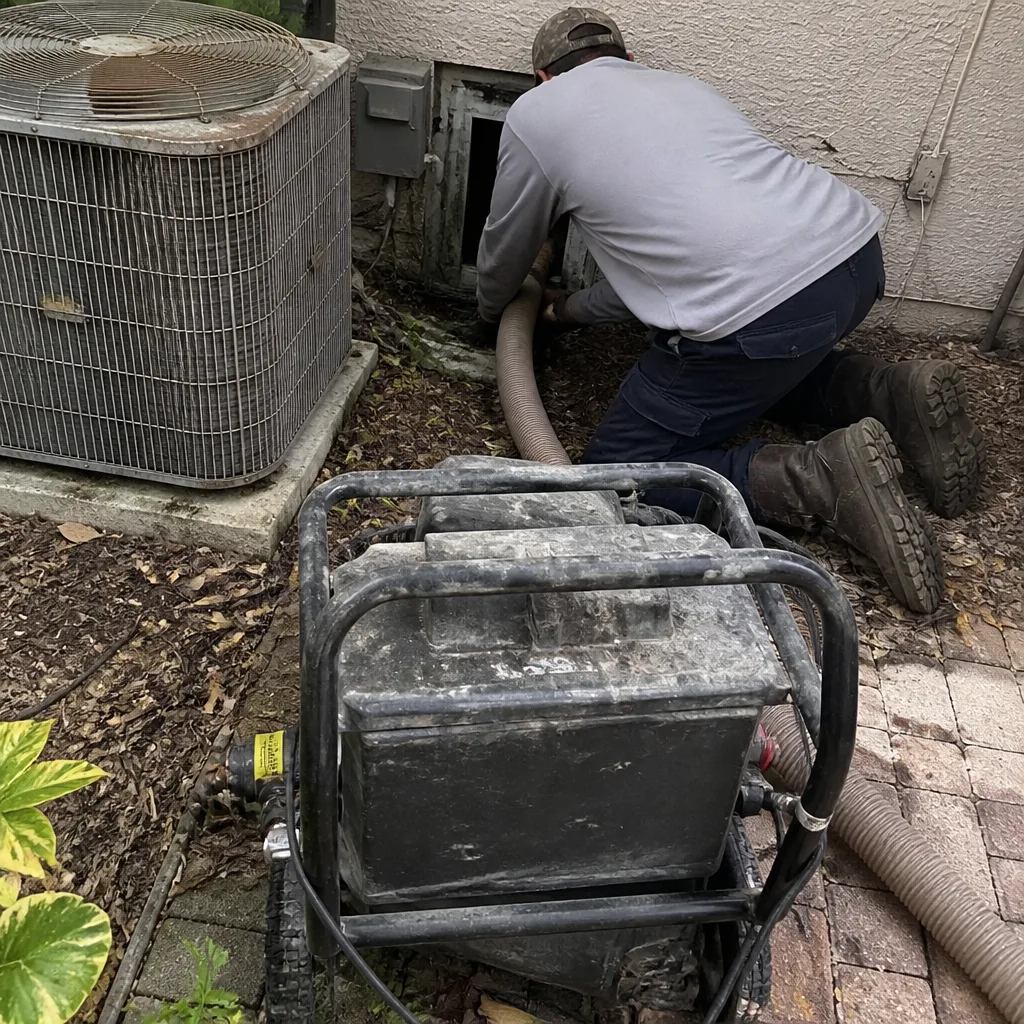
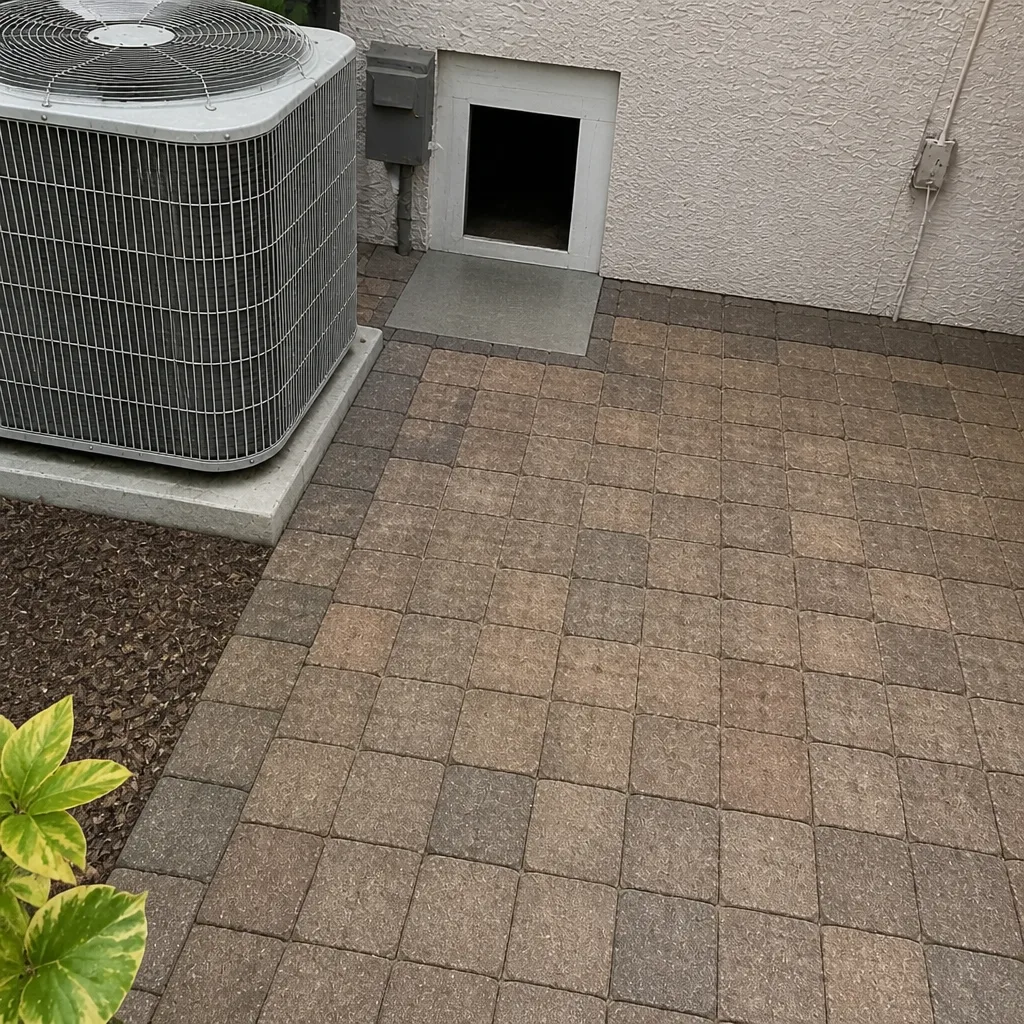
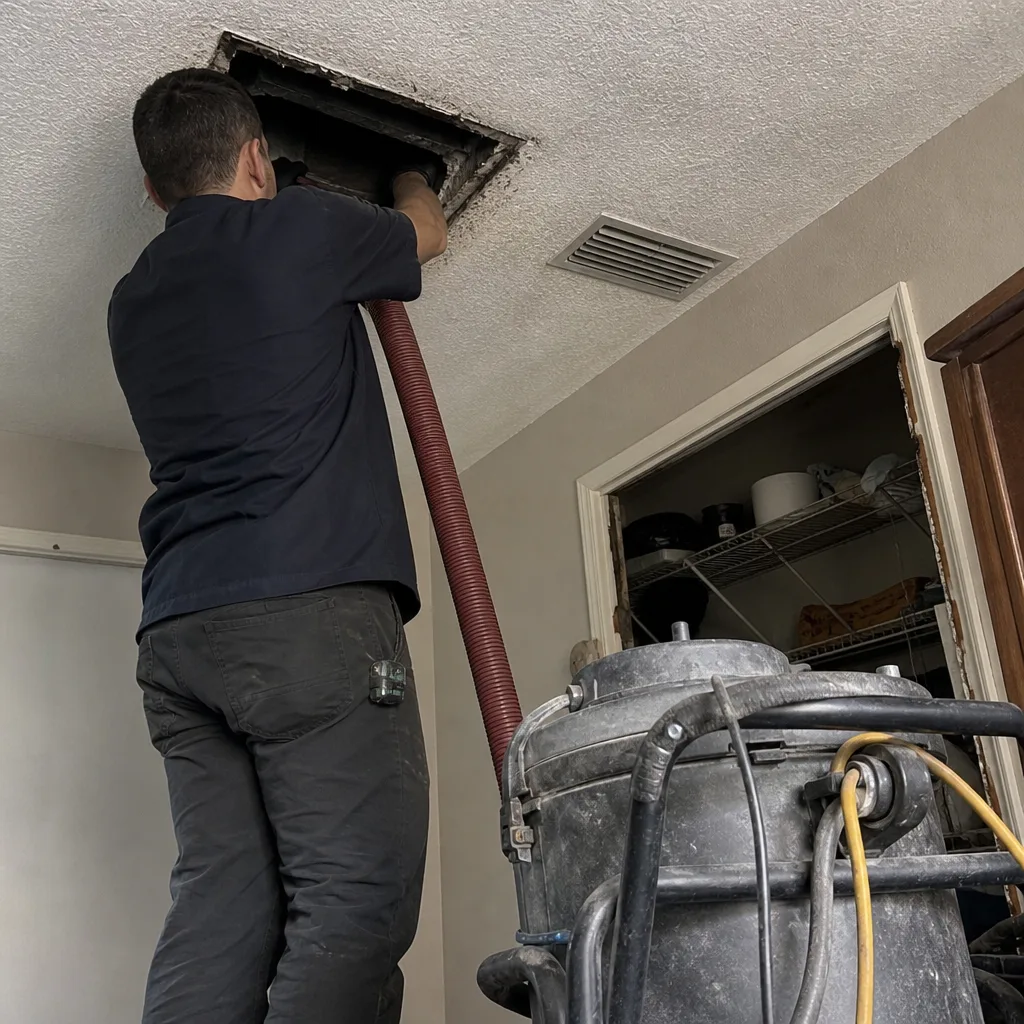
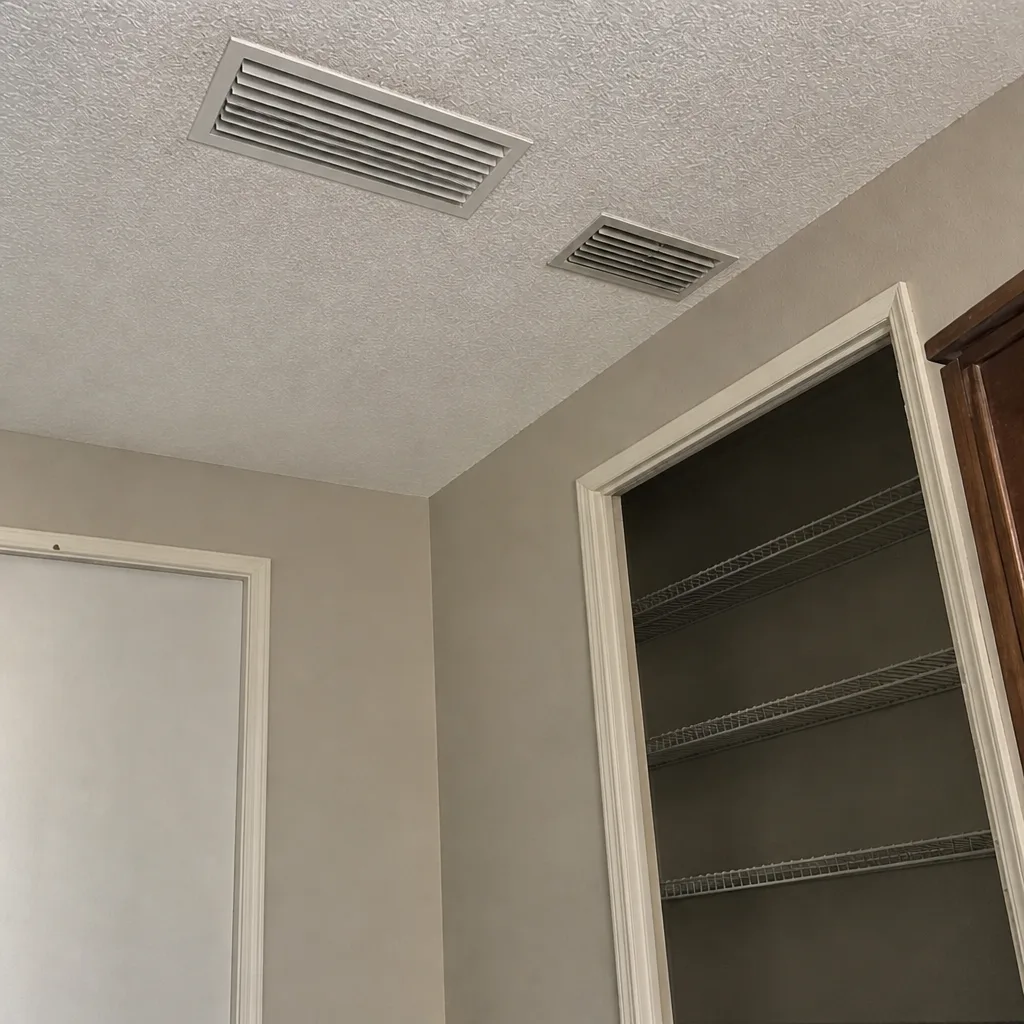
Whole-system duct and dryer vent check with before-and-after photos - you see exactly what came out of your vents
That "$99 whole-house special" is a bait ad - the real number appears once they are in your hallway, or the "clean" is a shop-vac at the register. We photograph the inside of your ducts before and after instead.
Air Duct Cleaning Maintenance Schedule: What to Do and When
Most duct cleaning advice hands you a single number: every three to five years, then forget about it. That rule was written for homes that run their air conditioning a few months a year and sit idle the rest. A Coral Springs house runs its system almost year-round, pulls in heavy humidity, and cycles the blower thousands more times than a northern home ever will. In our experience across Coral Springs, the calendar matters far less than the conditions. This guide replaces the national average with a schedule built around how homes here actually age their ductwork, and shows you the between-visit tasks that keep a system healthy.
Quick Answer
In Coral Springs, plan on professional air duct cleaning every two to three years for a typical home, and every twelve to eighteen months if you have pets, recent renovation dust, or allergy sufferers in the house. Year-round AC runtime and high humidity push debris and moisture buildup faster than the national three-to-five-year guidance assumes. Check your filters monthly, inspect accessible registers with a flashlight twice a year, and let a professional confirm whether cleaning is actually due.
Styles & brands we work with
- Whole-home duct cleaning
- Dryer vent cleaning
- Camera inspection
- Sanitizing & deodorizing
Table of Contents
- Why Florida’s Climate Changes the Cleaning Interval
- The Condition-Based Schedule Matrix
- Between-Visit Maintenance: What You Do and When
- The Flashlight-and-Mirror Register Inspection
- The First Year After New Construction or a Major Remodel
- What Documentation to Keep and Why
- Flex Duct vs. Sheet Metal: Two Different Timelines
- Common Mistakes to Avoid
- When to Call a Professional
Why Florida’s Climate Changes the Cleaning Interval
A house in Coral Springs runs its air handler for most of the year. Where a northern system might operate six or seven months and rest through the cooler season, a South Florida system keeps pulling air through the same ductwork month after month. Every hour of runtime is another hour of dust, pet dander, and pollen being drawn across the interior surfaces of your ducts, and every cooling cycle adds condensation to the equation.
That humidity is the real variable. Cool air moving through ducts in a warm, humid attic or wall cavity creates conditions where dust doesn’t just settle, it clings and can support microbial growth when moisture persists. You don’t need a visible problem to know the load is accumulating faster than it would in a dry climate. It’s simple math: more runtime, more moisture, more accumulation.
Construction type compounds it. Many Coral Springs homes sit on slab with ductwork routed through the attic, where summer temperatures push the system hard and any small leak in the duct envelope pulls hot attic air and insulation particles into the airstream. A leak that would be a minor inefficiency elsewhere becomes a dust source here. When we inspect a system in Coral Springs, we’re often looking at both the debris load and the duct integrity at the same time, because the two problems feed each other.
The Condition-Based Schedule Matrix
A fixed interval ignores your household. Use this matrix instead, then adjust based on what your inspection turns up. The intervals below are starting points for Coral Springs homes, not rigid rules.
- Standard home, no pets, no allergies, no recent work: professional cleaning every two to three years.
- One or more pets: every twelve to eighteen months. Dander and hair load ductwork quickly, and year-round AC moves it constantly.
- Allergy or asthma sufferers in the home: every twelve to eighteen months, paired with a higher-efficiency filter and annual inspection.
- Recent renovation or new construction: an inspection at the six-month mark, then cleaning as needed, then back to a normal interval.
- Older flex duct: shorter interval, every twelve to twenty-four months, because the ribbed interior traps debris and the material degrades faster.
- Sheet metal duct, well sealed: every three to four years if the system stays clean and filters are maintained.
- Property managers with high-turnover units: inspect between tenants, clean on a two-year cycle, and always after a renovation.
These are whole-system intervals. If your home falls into two categories, for example a pet owner who also renovated last year, use the shorter interval and let an inspection confirm. In Coral Springs, the humidity means we lean toward the shorter end of any range when a home has both pets and an older flex system.
Between-Visit Maintenance: What You Do and When
Professional cleaning resets the clock, but what you do between visits determines how fast it runs down. These tasks are simple and take minutes, and they’re the difference between a system that stays clean for three years and one that’s dirty again in twelve months.
- Check the filter monthly, change it every one to three months. In Coral Springs, where the system runs most of the year, lean toward every one to two months during heavy cooling season. Use the highest MERV rating your system’s blower is rated for, not the cheapest mesh panel on the shelf.
- Wipe down return grilles every month or two. A damp cloth across the visible face of the return grille keeps surface dust from being drawn back into the airstream. It also gives you a quick read on how fast dust is building.
- Check the condensate drain pan and line seasonally. Standing water in the pan is a moisture source near the air handler. Clear any algae or debris in the drain line and confirm the pan drains freely. If you see standing water or biological growth, that’s a call-a-professional signal.
- Look at accessible registers with a flashlight twice a year. Details below, but this is your early-warning check.
- Keep the return grilles unobstructed. Furniture, rugs, and storage boxes blocking return airflow strain the system and change how dust moves through the ducts.
If you use a Honeywell or Aprilaire whole-home filtration or humidity system, check its media and settings at the same time you check your furnace filter. Clean ducts and a well-tuned filtration system work together; a clean system paired with a clogged filter media just loads up again.
The Flashlight-and-Mirror Register Inspection
You can gauge whether cleaning is genuinely due without special tools. A flashlight and a small mirror at an accessible supply or return register will tell you a lot.
- Remove the register grille at a supply vent and a return vent. Set the screws aside.
- Shine the flashlight down the duct run as far as you can see. Look for visible dust buildup on the duct walls, debris chunks, insulation fibers, or any dark staining.
- Use the mirror to see around the first bend where the duct turns out of sight.
- Wipe the interior surface with a white cloth and look at what comes off. A light haze is normal. A thick gray or black coating, or anything that smears, means the system is loaded up.
- Check for moisture. Any dampness, musty smell, or dark spotting inside the duct is a reason to have it inspected professionally rather than to keep waiting.
What you’re looking for is the difference between surface dust that’s normal and a genuine debris load. Visible buildup on the duct walls, debris that falls when you tap the duct, or an obvious musty odor are all signs a cleaning is due now, not next year. A clean duct with a light film can wait. When in doubt, an inspection settles it. We’ve seen Coral Springs homeowners save a cleaning by catching a small flex duct tear early, and we’ve seen systems that hadn’t been touched in a decade because nobody looked.
The First Year After New Construction or a Major Remodel
A new build or major renovation leaves construction dust in places a shop vac never reaches. Drywall dust, sawdust, insulation particles, and HVAC debris settle into ductwork during the build and get pulled into the airstream the first time the system runs. In Coral Springs, that first cooling season after a build or remodel is when that load circulates through the whole house.
This is why the first year warrants an accelerated inspection schedule, not a normal interval. Here’s the sequence we recommend:
- At move-in or completion: have the ductwork inspected and cleaned if there’s visible construction debris, drywall dust, or insulation fibers.
- At six months: a follow-up inspection, because a first cleaning doesn’t catch everything that settles afterward and the system has now run through a full stretch of cooling season.
- At twelve months: return to the standard interval from the matrix, or the shorter end if you have pets or allergies.
Renovation dust is finer and more irritating than ordinary household dust, and it travels. If you’ve had rooms gutted or added in Coral Springs, budget for an inspection even if the ducts looked clean before the work started. The same logic applies to a home that has sat vacant through a cooling season: moisture and dust can accumulate while nobody is running the system, and a first inspection is worth the time. Our understanding of how filtration systems like Aprilaire components interact with ductwork helps here, because a newly installed air-quality system should be checked at the same time the ducts are.
What Documentation to Keep and Why
A maintenance log does two jobs: it tells you when the next cleaning is due, and it protects you when a warranty claim or insurance question comes up. Keep a simple file, digital or paper, with these records:
- Cleaning dates and the scope of work. Note what was cleaned and any repairs made.
- Filter grades and change dates. A record of the MERV rating you used supports warranty discussions if a blower or coil issue comes up.
- Any microbial or antimicrobial treatments. If a treatment was applied, keep the product and date on file.
- Photos before and after. Ask for before-and-after photos of your own ducts. These are the single best record that the work was actually done, and they’re useful if you sell the home or file a claim.
- Inspection findings. Any duct repairs, sealing work, or noted issues.
Warranty providers and insurers increasingly ask for maintenance records when a claim involves the HVAC system. A clear log answers that question without a scramble. And when a future owner or a property manager asks about the system, the file speaks for itself. In Coral Springs, where many homes change hands and many are managed by property managers, that paper trail is worth maintaining.
Flex Duct vs. Sheet Metal: Two Different Timelines
Duct material changes the schedule as much as climate does. Flex duct, common in Coral Springs attic runs, has a ribbed interior that traps dust and debris in the ridges. The material also ages faster under heat and humidity, and small tears or crushed sections are common. It needs a shorter interval, twelve to twenty-four months, and every inspection should check for tears, sagging, and crushed runs.
Sheet metal duct with a proper seal holds up better. It can go three to four years between cleanings if filters are maintained and the system stays dry. The catch is the seals. Loose joints and disconnected sections pull attic air and insulation into the airstream, which loads the system fast. That’s why we repair compromised ductwork on the same visit as a cleaning when we find it; cleaning around a leak just means the system loads up again. Rotobrush and Nikro equipment lets us clean the duct interior thoroughly, and the ability to repair what we find means the work holds.
Common Mistakes to Avoid
- Following the national three-to-five-year rule blindly. A Coral Springs home runs its system far longer than the average the rule was built for, so stretching to five years usually means a dirty system by year three.
- Waiting for visible dust at the vents. Buildup hides inside the duct run and in the attic sections you can’t see. By the time dust shows at the register, the load is usually significant.
- Skipping the filter. Changing to the cheapest panel and stretching the interval because the ducts were just cleaned is backwards. A clogged filter loads clean ducts fast.
- Choosing on price alone. A very low quote often means a small vacuum that doesn’t reach the whole system. Ask what equipment and what scope you’re paying for.
- Cleaning without fixing. Tearing flex duct, disconnected joints, or crushed runs mean a cleaning won’t hold. The repair matters as much as the cleaning.
- Forgetting the first-year post-construction inspection. Renovation dust doesn’t clear itself, and the first cooling season in Coral Springs is when it circulates.
- Letting a moisture problem ride. Persistent mustiness or dampness inside ducts points to a moisture issue that cleaning alone won’t fix. Have it inspected.
When to Call a Professional
Call a professional when you see visible debris or buildup inside an accessible duct, when there’s a persistent musty or stale smell from the vents, or when a register inspection turns up dark staining or dampness. Call if you’ve had a major renovation or moved into a new build and the first cooling season has passed. Call if someone in the home has allergies or asthma that seem to worsen indoors, or if you have multiple pets and it’s been more than a year. And call if you notice rising energy bills or weak airflow from some rooms, since that can point to duct damage, not just debris.
Harborview Air Duct Cleaning offers free estimates in Coral Springs. Call (844) 761-5395. We answer 24/7. Fast dispatch from 7am to 7pm, Sunday through Friday. Our technicians have up to 10 years of experience, and we use professional-grade Rotobrush and Nikro equipment so the whole system gets cleaned, not just the vents you can see. We can also repair compromised ductwork on the same visit, and we’re familiar with Honeywell, Aprilaire, and Guardsman air-quality systems.
See the difference
 Before
 After
 Before
 After
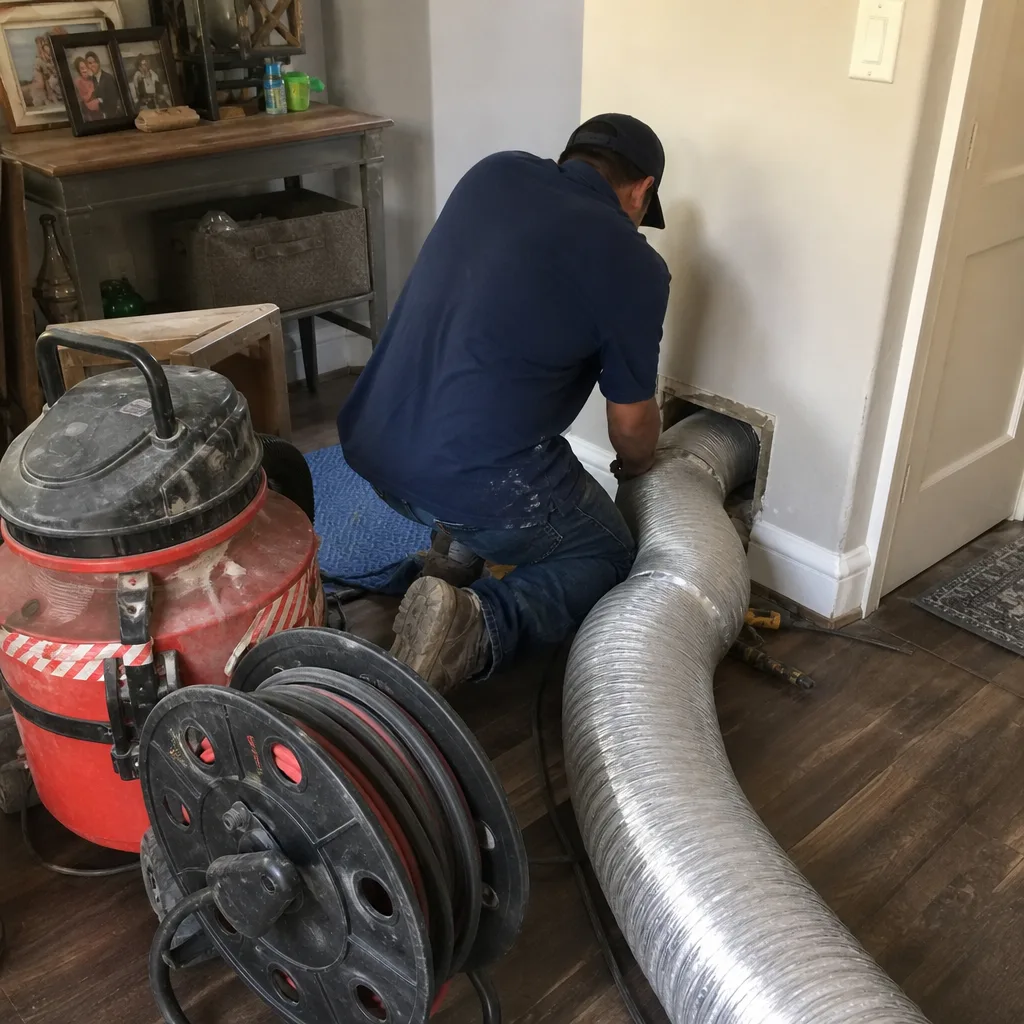 Before
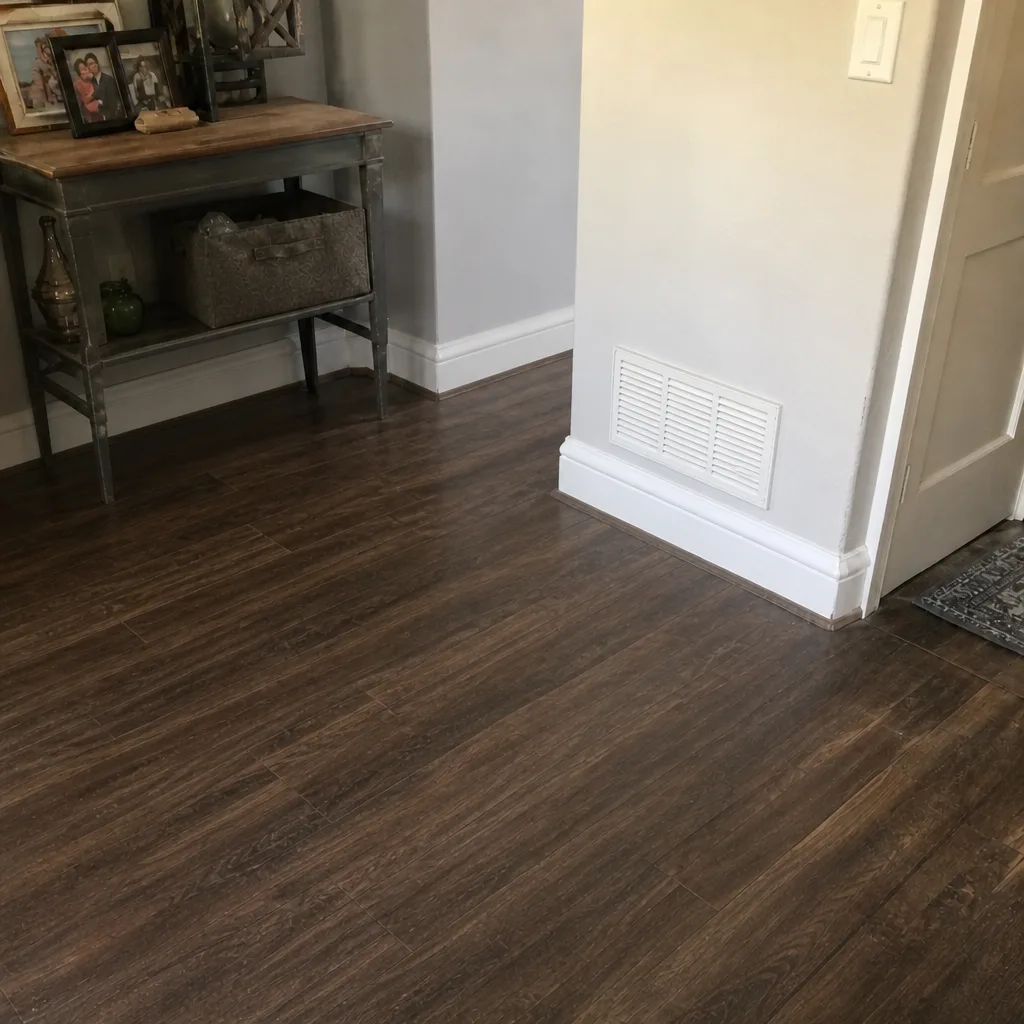 After
Frequently Asked Questions
Plan on every two to three years for a typical Coral Springs home, and every twelve to eighteen months with pets, allergies, or recent renovation. Florida’s year-round cooling and high humidity push accumulation faster than the national three-to-five-year guidance, so the shorter interval is the safer rule here.
Cost depends on the size of the system, the number of runs, duct condition, and whether repairs are needed, so we price per job by written estimate rather than quoting a teaser figure. Call (844) 761-5395 for an exact quote – estimates are free, and the written estimate sets the final price.
Low quotes usually reflect a smaller vacuum, less time on site, or a scope that skips part of the system. The equipment and time needed to clean a whole Coral Springs system properly cost more than a surface pass, which is why we clean with professional-grade Rotobrush and Nikro tools and stand behind one flat price per system agreed before work starts.
Ask for before-and-after photos of your own ducts, and keep them on file. We take them on every job. A written scope, a clear cleaning date, and documented findings let you verify the work rather than take it on faith.
Often yes. Remove a supply and return register, shine a flashlight down the run, use a mirror at the first bend, and wipe the duct wall with a white cloth. Visible buildup, debris that falls out, dampness, or a musty smell mean it’s time for an inspection. A light film is normal.
Yes, an inspection at the six-month mark is worth it, and cleaning sooner if there’s visible construction dust. Drywall dust, sawdust, and insulation fibers settle into ductwork during the work and circulate through the whole house the first time the system runs through a cooling season.
The Bottom Line
The national three-to-five-year rule assumes a climate that doesn’t describe Coral Springs. Here, year-round AC runtime, high humidity, and lots of attic-routed flex duct push the real interval to two to three years for a typical home, and shorter where pets, allergies, or renovations are involved. Check filters monthly, inspect registers with a flashlight twice a year, keep a maintenance log with before-and-after photos, and schedule the first-year post-construction inspection. When you’re ready for a professional assessment, Harborview Air Duct Cleaning offers free estimates in Coral Springs. Call (844) 761-5395. We answer 24/7. Fast dispatch from 7am to 7pm, Sunday through Friday. For the specific services, see air duct cleaning, dryer vent cleaning, and our coverage in Lauderhill. We repair what others just clean around.
Written by the team at Harborview Air Duct Cleaning.