
Last updated November 15, 2026
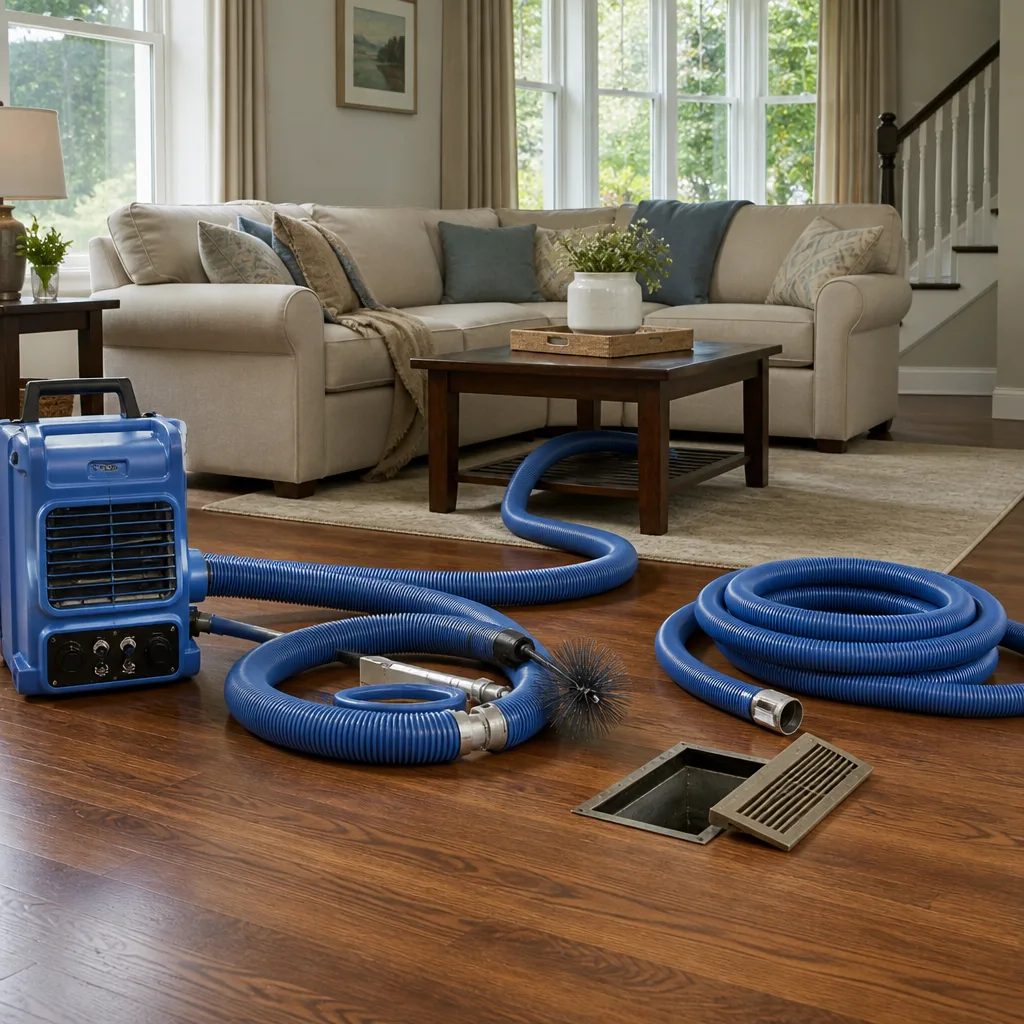 Whole-home duct cleaning
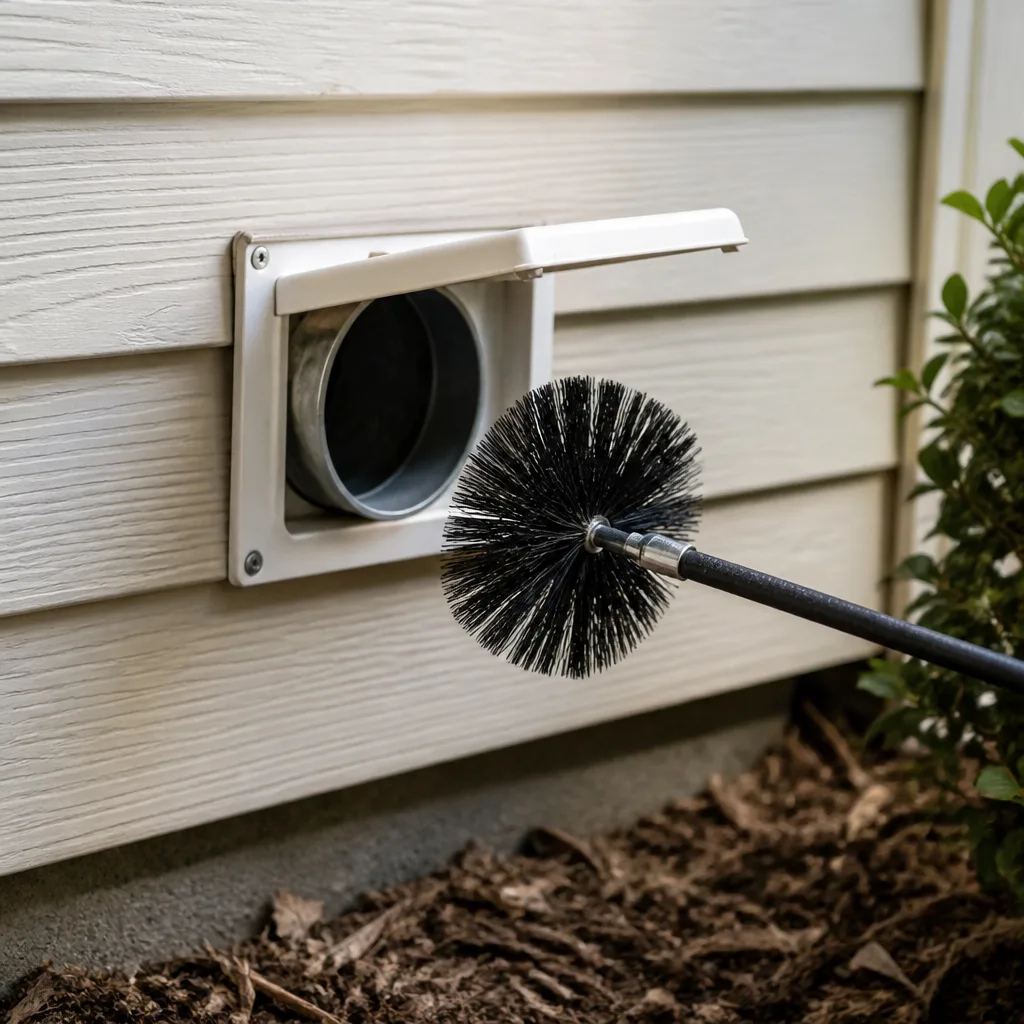 Dryer vent cleaning
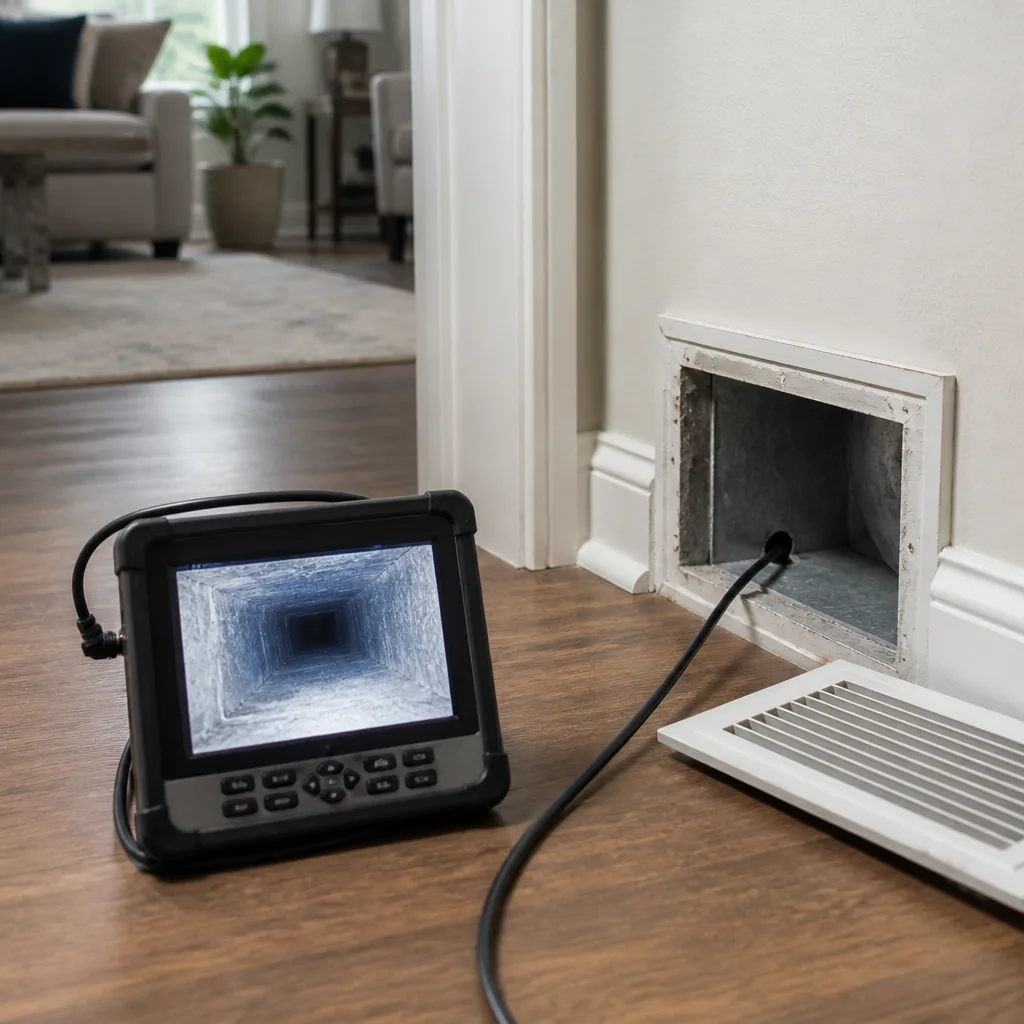 Camera inspection
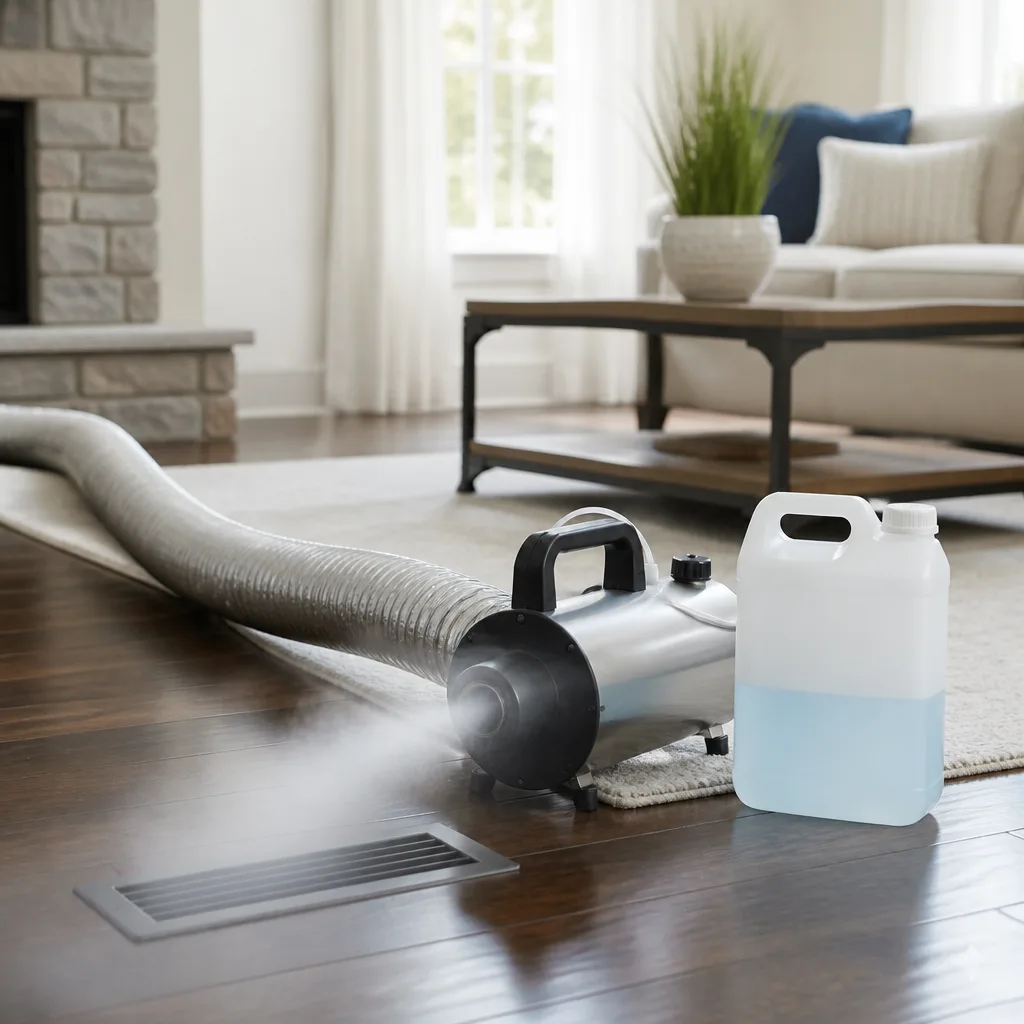 Sanitizing & deodorizing
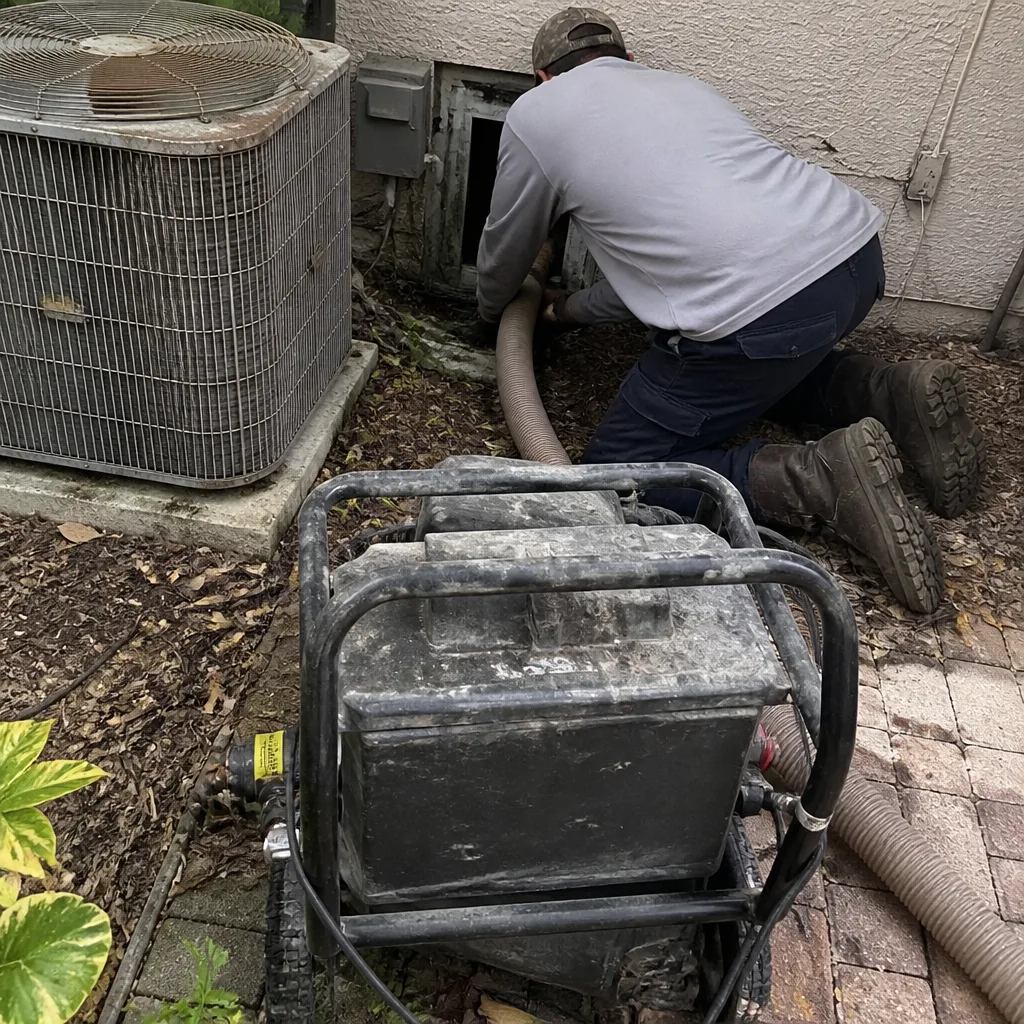
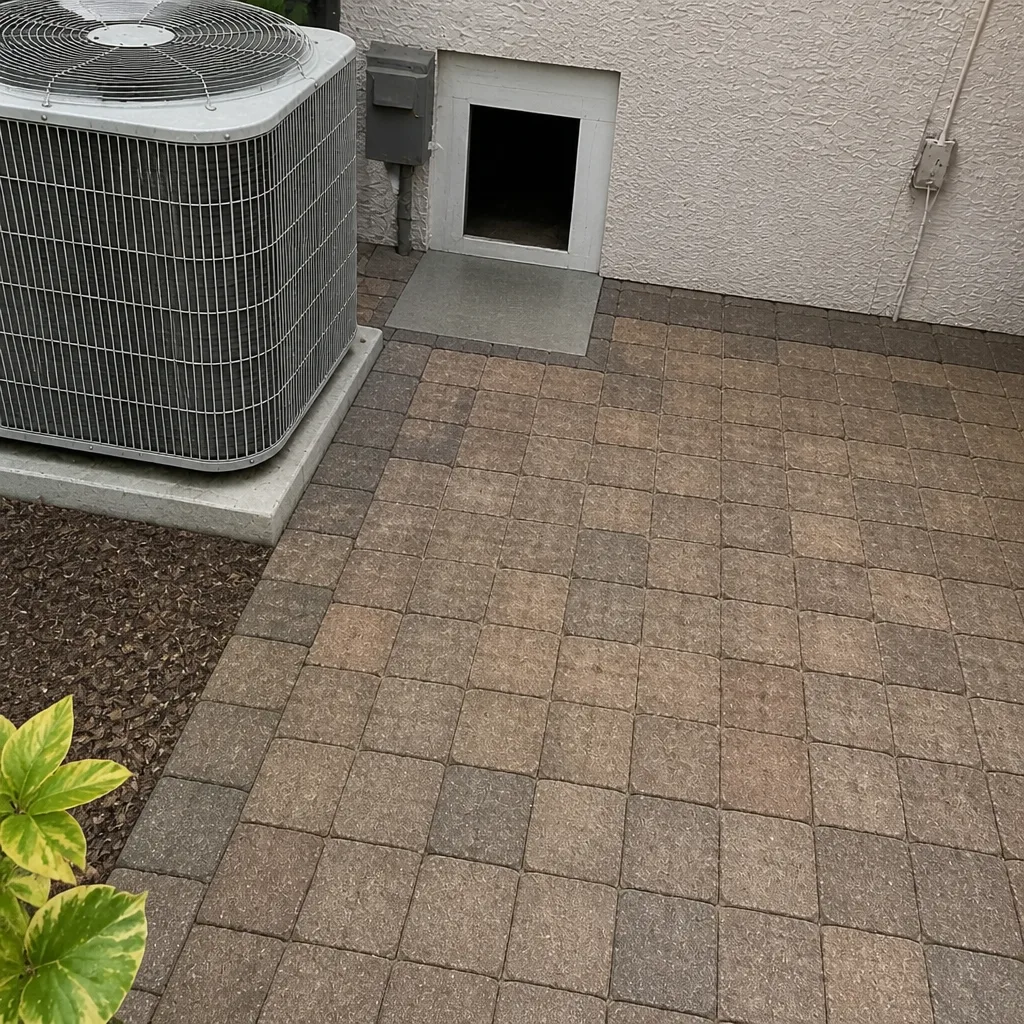
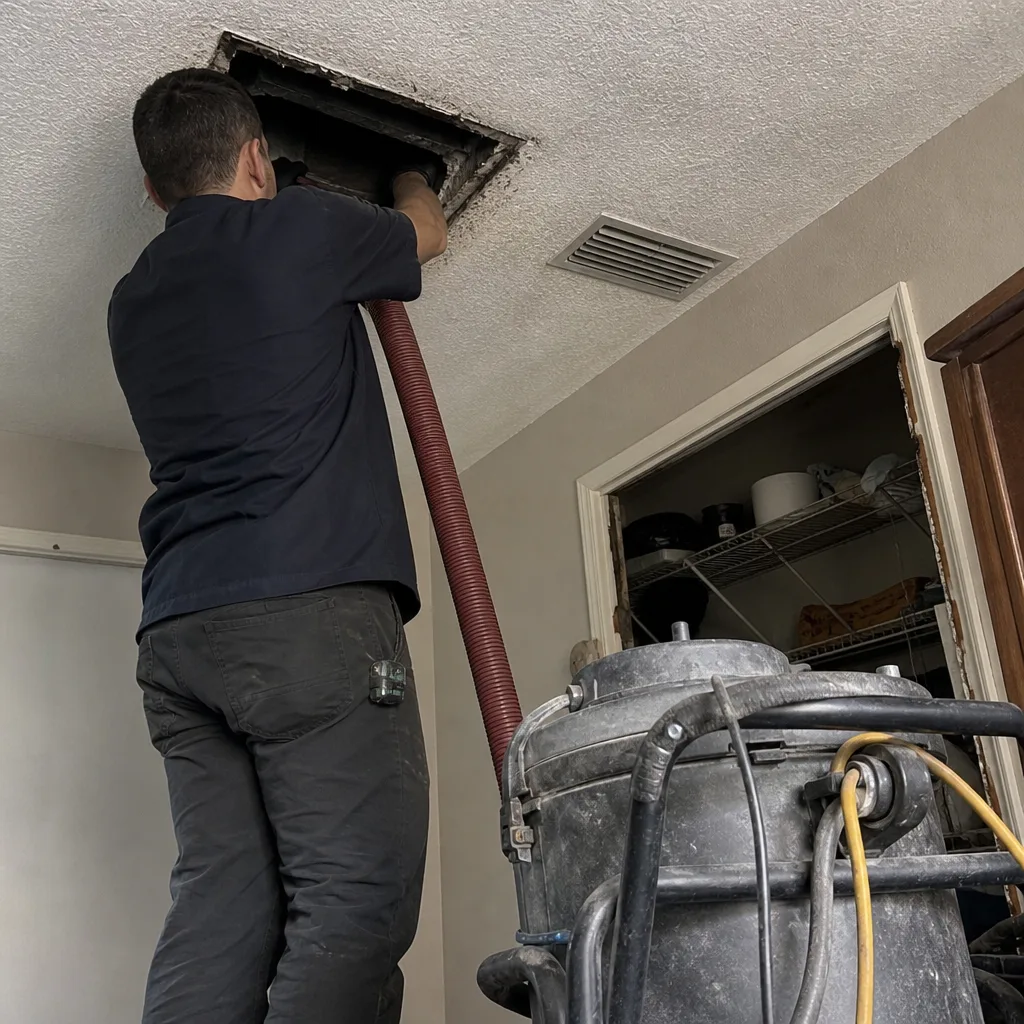
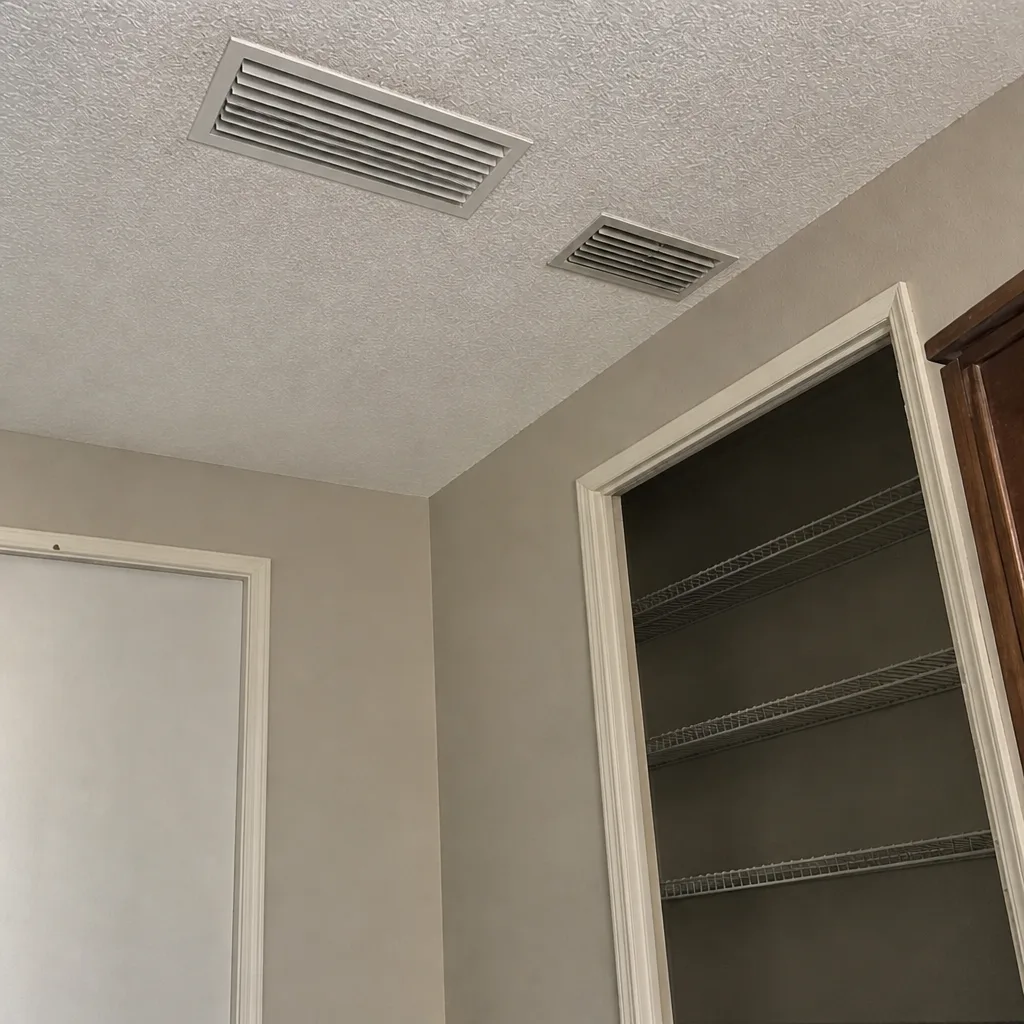
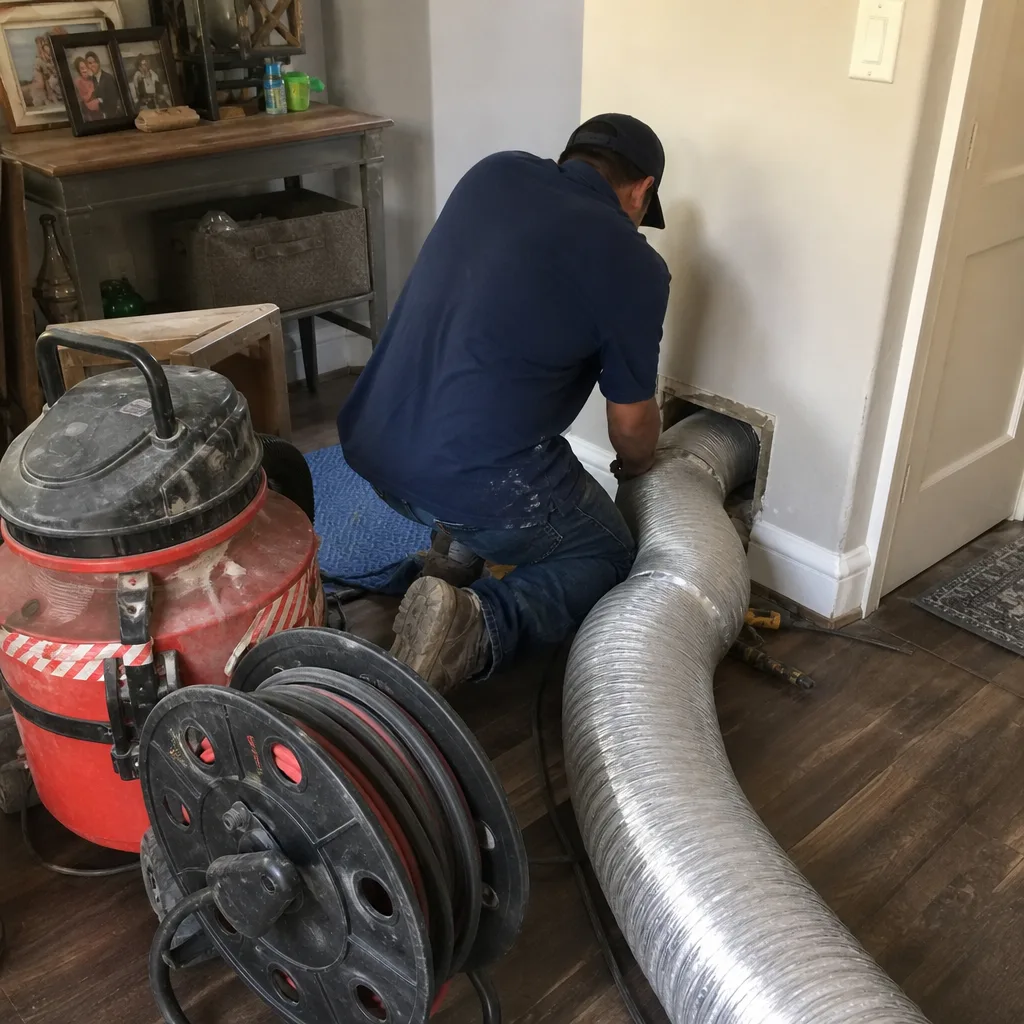
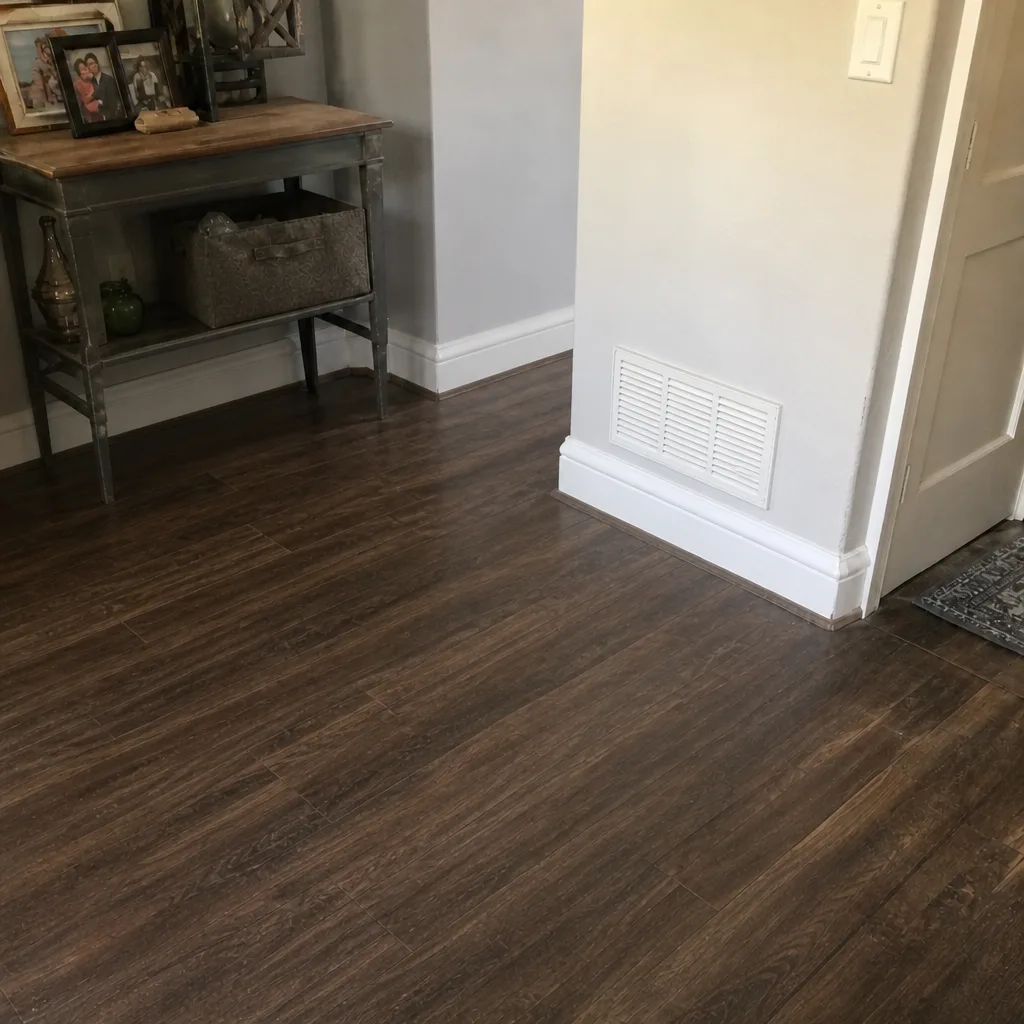
Whole-system duct and dryer vent check with before-and-after photos - you see exactly what came out of your vents
That "$99 whole-house special" is a bait ad - the real number appears once they are in your hallway, or the "clean" is a shop-vac at the register. We photograph the inside of your ducts before and after instead.
Air Duct Cleaning Emergency Preparedness Guide for Coral Springs Homes
Most Coral Springs homeowners think about their ductwork only after the storm has passed and the damage is done. The smarter move happens before the first band of rain arrives, and in the quiet hours right after. A hurricane doesn’t usually ruin ducts directly. What ruins ducts is what happens next: wind-driven rain pushed into soffit vents, roof leaks that drip into attic runs, storm surge flooding a garage where the air handler sits, and windows left open while the power is out. Add Coral Springs heat and humidity to a wet duct lining and you have a mold nursery that starts colonizing in days, not months. This guide walks you through the pre-storm shutdown, the post-storm triage, the timelines that matter, and the records that make an insurance claim stick. You’ll learn how to protect your system in the gap between the event and the day a contractor can actually reach you.
Quick Answer
Emergency duct preparedness in Coral Springs means shutting down your HVAC before a named storm makes landfall, protecting the outdoor condenser, and inspecting ductwork for moisture intrusion before you restart anything. In South Florida heat, mold can begin colonizing a wet duct interior within 24 to 48 hours, which is why the first 72 hours after water intrusion decide whether you need cleaning or full remediation. Document everything with photos and a moisture reading before you call a pro.
Styles & brands we work with
- Whole-home duct cleaning
- Dryer vent cleaning
- Camera inspection
- Sanitizing & deodorizing
Table of Contents
- Pre-Storm HVAC Shutdown Checklist for Coral Springs Homes
- Post-Storm Duct Triage: Before You Restart the System
- Water Intrusion Scenarios That Need Remediation, Not Just Cleaning
- Mold Colonization Timelines in South Florida Heat and Humidity
- Protecting Your Ducts in the Gap Between Storm and Contractor
- Documenting Duct Damage for Insurance Claims
- When Duct Cleaning Can Wait and When It Can’t
- Choosing a Duct Contractor After a Storm
Pre-Storm HVAC Shutdown Checklist for Coral Springs Homes
A named storm gives you a window of a day or two to prepare, and how you use it determines whether your ducts come through intact. Coral Springs sits in a zone where hurricane season runs from June through November, and the homes here – many built in the 1980s and 1990s in neighborhoods like Wyndham Lakes and Eagle Trace, plus newer construction out toward Heron Bay – have varying duct layouts. Flexible duct in the attic is common. So is rigid metal trunk line feeding those runs. What they share is exposure to any water that gets under the roof deck or through a soffit. Shutting the system down properly is the single most protective step you can take.
Work through these steps before the storm arrives:
- Turn the thermostat to OFF and switch the air handler breaker off at the panel. You want no power to the system at all. If water gets into the air handler cabinet or a duct, a running blower turns a wet duct into a distribution system for moisture and spores.
- Protect the outdoor condenser. Strap it down if local code requires it, remove loose debris from around it, and cover the top fan grille only if the manufacturer calls for it. Never wrap the whole unit in plastic – trapped moisture corrodes the coil and cabinet.
- Decide on registers. Close and tape the supply and return registers in rooms where you expect water intrusion through windows or a sliding door. Sealing every register in the house traps humidity inside the ducts with no way to dry, so be selective.
- Move anything stored against duct runs. Attic storage, boxes, and holiday bins sitting on top of flex duct compress it and hold moisture against the jacket.
- Photograph the system as it sits. A quick phone video walking the attic and garage is worth a great deal later.
None of this is dramatic. It’s just the work that keeps a manageable cleanup from becoming a gut-and-replace job when contractors are booked out and you’re waiting your turn.
Post-Storm Duct Triage: Before You Restart the System
The storm has passed and the power is back. Do not walk to the thermostat and switch the system on. That’s the mistake that turns a wet duct into a mold problem that spreads through every room in the house. Coral Springs humidity after a storm often sits above 80 percent, and the interior of a duct that took on water has no way to dry on its own. Triage first, restart second.
Here’s a simple homeowner inspection sequence you can run without tools beyond a flashlight, a phone camera, and a roll of paper towels:
- Walk the attic or garage and look for water staining on the duct jacket. Flex duct has an outer vapor barrier. A darker patch, sagging jacket, or water drips from a joint are all red flags.
- Check for standing water in the air handler pan or on the platform beneath it. If there’s water pooled there, the system has taken on moisture and should not run.
- Press a paper towel against the duct jacket at several points. Any dampness means the insulation is wet and likely the interior too.
- Smell the return grille. A musty, earthy, or “wet basement” odor coming out of the return is a strong indicator of moisture inside the ductwork.
- Look at ceiling and wall surfaces around every register. Water stains on drywall around a supply register mean water traveled down the duct chase.
- Photograph everything you find. Before you touch or move anything, get clear photos with the flash on and a reference object in frame for scale.
If everything is dry and no odor is present, the system is usually safe to restart. If even one point above fails, leave the breaker off and call a professional. The cost of a diagnostic visit and a targeted cleaning is a fraction of what duct remediation runs once mold has colonized.
Water Intrusion Scenarios That Need Remediation, Not Just Cleaning
This is where a lot of Coral Springs homeowners get confused, and it’s fair to be confused. Duct cleaning and duct remediation sound like the same service. They aren’t. Cleaning removes accumulated dust, debris, and light surface contamination from sound ductwork. Remediation addresses ductwork that has taken on water, developed microbial growth, or lost its structural integrity. If your ducts have water intrusion, cleaning them without addressing the moisture is like mopping a floor with the faucet still running.
Watch for these scenarios, each of which points toward remediation rather than a standard cleaning:
- Visible mold on the duct interior or jacket. Fuzzy growth, dark spots, or a greenish-black film inside the return plenum are not something a rotary brush fixes. It requires containment, HEPA filtration, and often section replacement.
- Substantial water intrusion through a roof leak into the attic ductwork. Even a small roof leak dripped into flex duct insulation all night soaks the fiberglass. It will not dry in Coral Springs humidity.
- Flooding into the garage or utility closet where the air handler sits. Any water at or above the cabinet base risks the blower motor, the control board, and the lower plenum. That’s an HVAC safety issue as well as a duct issue.
- Failed duct connections or crushed sections after wind movement. If the storm shifted attic ductwork or pulled a run loose from a boot, the fix is duct repair before cleaning. Otherwise you clean a broken system and every bit of dust returns the next time the blower runs.
- Biological odors that persist after drying. If a room still smells musty a week after everything else is dry, the source is likely inside the duct chase or the interior liner.
When you call a contractor, communicate these conditions plainly. Say “I have visible mold inside the return plenum” or “my attic flex duct insulation is saturated after a roof leak.” That’s the language that gets the right truck and the right tools to your address rather than a basic cleaning crew.
Mold Colonization Timelines in South Florida Heat and Humidity
Mold needs three things: moisture, a food source, and warmth. In a Coral Springs attic, all three are present. Attic temperatures in the summer can push well past 100°F in the afternoon, and the relative humidity in a duct that’s taken on moisture stays high until it’s actively dried. The organic dust that coats the interior of every duct is the food source. The combination means mold can begin colonizing a wet duct interior in roughly 24 to 48 hours. Visible growth can show up within a week. Substantial contamination builds in two to three weeks.
That timeline is why the gap between the storm and a contractor’s availability matters so much. In the weeks after a major event, HVAC and duct contractors across South Florida get booked out for weeks at a stretch. The homeowners who come through that gap with an intact system are the ones who:
- Shut the system down before water could spread through it
- Kept the wet area cool and dry rather than running the AC to “dry it out” (running the AC through wet ducts makes it worse)
- Called immediately, even knowing the wait, so they were on the schedule and the job could be triaged by severity
- Documented conditions at the moment of discovery rather than reconstructing them later
If you’ve got water in your ducts and you’re on a waitlist, close the supply and return registers in the affected zone, keep the air handler breaker off, and run a dehumidifier in the room nearest the wet section if you have one. It won’t dry the inside of a duct, but it slows the growth on anything exposed in the living space. Use a portable dehumidifier that drains continuously rather than a bucket model if you can, and run it in the room where the damp smell is strongest.
Protecting Your Ducts in the Gap Between Storm and Contractor
Once you’ve identified moisture in your ductwork and you’re waiting on a scheduled visit, containment is the goal. You’re trying to keep a localized problem from spreading through the house and keep the humidity from making it worse. There are a few simple things that make a real difference during the wait.
First, isolate the affected zone. Close the registers in rooms served by the wet duct run, and tape over the grille with painter’s tape or plastic film. This keeps the blower, when it does run, from pushing air through the wet section and into rooms that are currently dry. Second, keep windows closed. Opening the house to “air it out” in Coral Springs in August pulls in high-humidity air that condenses on any cool surface, and your duct interior qualifies. Third, run a standalone air purifier with a HEPA filter in the room with the strongest odor. It won’t reach inside the duct, but it will scrubs the indoor air of spores that are already circulating. Fourth, keep the air handler breaker off until a professional confirms the interior is dry. If you need cooling in another part of the house, close a damp zone off with a temporary sheet or plastic door hanging over the doorway where practical, and use a window unit in the primary bedroom if you have one.
One thing not to do: don’t spray household cleaner, bleach, or a fogger into the return. Those products wet the duct surface further and can damage the interior liner. A proper remediation uses professional-grade tools that capture contaminants rather than smearing them. When we work on a duct system in this situation, the approach combines a rotary brush system like Rotobrush with high-efficiency particulate capture like Nikro and Abatement Technologies equipment – the same platform commercial contractors use, because in a moisture-damaged system you need that level of control. If drywall or duct repair is part of the fix, it happens in the same visit so the system isn’t left half-sealed.
If you’re not sure whether that gap is a cleaning situation or a remediation situation, a diagnostic visit clears it up quickly. Harborview Air Duct Cleaning offers air duct cleaning and duct repair together, which means we can diagnose a compromised run and address it without having to send you to a second company.
Documenting Duct Damage for Insurance Claims
A hurricane or named-storm claim on HVAC ductwork hinges on evidence. Adjusters deal with hundreds of claims after a major event and they’re looking for a clear line between the storm and the damage. The homeowners who get paid are the ones who documented thoroughly and early. Weather-related duct damage – wind-driven rain intrusion, roof breach, flooding at the air handler, or impact damage – is generally eligible under typical homeowner policies, but only if you can show the cause and the extent.
Gather these records before you touch or clean anything:
- Pre-storm photos. If you have pictures of your attic or ductwork before the event, they establish a baseline. Even an old phone photo of a clean return plenum helps.
- Post-storm photos with timestamps. Every water stain on a ceiling, every sagging flex duct jacket, every puddle in the air handler pan. Turn on location services so the images carry metadata.
- A written timeline. Date and time the storm hit, date and time you discovered the damage, date and time you shut the system down, date and time you called a contractor. Keep it in a note on your phone.
- Moisture readings. A cheap pin-type moisture meter is worth owning. Photograph the meter display against the wet duct jacket. That’s a number an adjuster can use.
- Any contractor documentation. Keep the written estimate and any photos a contractor takes during the visit. Ask for the photos to be included with the invoice when the job is complete. Before-and-after photos of your own ductwork are also the best proof that the work was actually done.
- Correspondence. Save every email, text, and note from your insurer and from the contractor. If a claim gets disputed later, this is the file that resolves it.
Don’t clean up the evidence before you photograph it. If the ducts are obviously wet and contaminated, get the photos first. A professional duct contractor in Coral Springs can work with your insurer and provide the documentation your adjuster needs, but the initial evidence gathering is on you.
When Duct Cleaning Can Wait and When It Can’t
Not every post-storm duct situation is an emergency. In our experience, a fair number of calls that come in after a storm are routine cleanings following a renovation or a seasonal buildup, not true water intrusion. Knowing the difference saves you stress and money. Here’s how to sort it.
Can usually wait for a scheduled service:
- Increased dust on surfaces or in the return filter after a storm, with no moisture found on inspection
- A sealed-up house from a long power outage that left the interior stuffy but dry
- Debris that blew into the outdoor condenser but did not enter the duct system
- Routine cleaning that was already on your calendar before the storm
Cannot wait – call immediately:
- Any confirmed moisture inside the duct jacket or air handler cabinet
- Visible mold on the interior of a duct or return plenum
- Standing water in the air handler pan or at the base of the cabinet
- Persistent musty odor coming from the return grille
- Loose, crushed, or disconnected duct sections from wind movement
- Any situation where the air handler took water, since running it risks electrical damage on top of duct contamination
One category matters more than the rest: water. Dry dust, even a lot of it, is not urgent. Water intrusion turns a duct cleaning into a duct remediation in a matter of days. If you’re not sure whether your ducts are wet, that’s the one call to make sooner rather than later.
Choosing a Duct Contractor After a Storm
After a named storm, the number of “duct cleaning” companies working a Coral Springs neighborhood multiplies. Some are legitimate with proper equipment. Some show up with a portable shop vacuum and a price coupon. The difference matters most when your ducts are actually wet, because the wrong equipment and the wrong approach leave you with a contaminated system, a smoke-and-mirrors invoice, and no way to prove what happened.
Ask three questions before you commit:
- “What equipment will you bring?” Professional duct cleaning uses a rotary brush system (like Rotobrush) and a high-powered negative-pressure vacuum (like Nikro or Abatement Technologies) to capture dislodged debris rather than pushing it around. A shop vac is not up to a whole-system job.
- “Will I see before-and-after photos of my own ducts?” Any contractor who can’t show you photos of your duct interior before and after is asking you to trust them with no evidence. Insist on seeing your own system.
- “Is the price per system or per vent?” Per-vent pricing is how bait-and-switch quotes happen. A flat price per system, agreed before work starts, protects you from the coupon-turns-into-$2,000-invoice problem. The written estimate sets the final price.
Also ask about duct repair. If a run is crushed, disconnected, or water-damaged beyond cleaning, you need a contractor who can fix it as part of the visit. Harborview Air Duct Cleaning handles cleaning, dryer vent cleaning, and duct repair – and our technicians have up to 10 years of experience working on the same Honeywell and Aprilaire systems common in Coral Springs homes.
Common Mistakes to Avoid
- Restarting the AC to “dry out” the ducts. Running a blower through wet ductwork spreads moisture and spores through every room. Shut the system down until a professional confirms it’s dry.
- Opening windows after the storm to air the house out. In Coral Springs humidity, that pulls moisture into the ducts and any cool surface. Keep windows closed while a duct zone is wet.
- Spraying bleach or household cleaner into the return. It wets the duct interior further and can damage the liner. Proper remediation uses professional equipment, not a spray bottle.
- Cleaning contaminated ductwork before addressing the source. If the roof still leaks or the air handler still sits in water, cleaning is wasted. Fix the entry point first.
- Skipping before-and-after photos. Without your own photos of the duct interior, you have no evidence for an insurance claim and no way to confirm the work was done. Take them at every stage.
- Hiring on price alone after a storm. The cheapest quote after a major event is often the one that leaves the moisture in place. Ask about equipment, and ask for a flat price per system.
- Missing the ducts’ interaction with air quality systems. If you have a whole-home humidifier or filtration system (Honeywell and Aprilaire are common in this area), a wet duct run can affect it. Mention those systems when you call so the technician arrives knowing the full picture.
See the difference
 Before
 After
 Before
 After
 Before
 After
When to Call a Professional
You should call a duct professional whenever moisture has or may have entered the system. That means water staining on the duct jacket, standing water in the air handler pan, a musty odor from the return, visible mold, or any situation where the roof breached or the power went out for an extended period in a home with an attic duct run. Coral Springs homes in the older neighborhoods like Ramblewood and Forest Hills have ductwork in the attic that’s particularly vulnerable to roof leaks during a storm. If you’re on the fence, the call costs nothing and a diagnostic visit resolves the question. Harborview Air Duct Cleaning offers free estimates in Coral Springs – call (844) 761-5395. We answer 24/7. Fast dispatch from 7am to 7pm, Sunday through Friday.
Frequently Asked Questions
You should have your ducts inspected within 48 to 72 hours of any water intrusion, and cleaned or remediated as soon as a qualified contractor can reach you. Mold can begin colonizing a wet duct interior within 24 to 48 hours in South Florida heat, so waiting a few weeks turns a cleaning job into a remediation job. Call (844) 761-5395 for an exact quote – estimates are free.
Air duct cleaning in Coral Springs typically runs a few hundred dollars to around a thousand, depending on system size, accessibility, and whether duct repair is needed; the written estimate sets the final price. Emergency post-storm remediation that involves moisture and microbial growth runs more because it requires containment and HEPA capture. Avoid per-vent pricing – you want a flat price per system agreed before work starts. Call (844) 761-5395 for a free estimate.
Some quotes are cheaper because they’re bait-and-switch pricing: a low coupon price that becomes a far larger invoice once the technician is on site, or a per-vent price that balloons with system size. A legitimate quote is a flat price per system, agreed in writing before work begins, with before-and-after photos of your own ducts as proof. Ask what equipment they bring – the price reflects it. Call (844) 761-5395 for an honest whole-system estimate.
You should see before-and-after photos of your own duct interior and get a written report of what was found and what was cleaned. A reputable contractor never cleans blind. Ask for photos taken during the job, not stock images – any contractor who can’t produce them is asking you to trust them with no evidence. When you call, ask what documentation is included with the invoice. Call (844) 761-5395.
Only after you’ve inspected for moisture and found none. If you can’t inspect the attic or utility closet yourself, keep the system off and have it checked. Running a blower through wet ductwork distributes moisture and any microbial growth through the house, which is far worse than a few days without AC. We answer 24/7 if you need to talk it through – call (844) 761-5395.
No, but local familiarity helps. A contractor who knows the housing stock in Wyndham Lakes, Eagle Trace, and Heron Bay, who understands how Coral Springs humidity interacts with attic ductwork, and who can work with your insurer on documentation is an advantage. We connect homeowners in Lauderhill and across Coral Springs with independent local professionals who bring the right equipment for the conditions. Call (844) 761-5395 – estimates are free.
The Bottom Line
Emergency duct preparedness in Coral Springs comes down to four habits: shut the system down before a storm can push water through it, inspect for moisture before you restart, document everything you find before you clean anything, and call a professional the moment you suspect water has entered the ductwork. In this climate, mold colonizes a wet duct interior in roughly 24 to 48 hours, and the wait for a contractor after a named storm can stretch into weeks. The homes that come through cleanly are the ones that acted early. Clean ducts, confirmed – not just cleaned around. For duct cleaning, dryer vent cleaning, or duct repair, call (844) 761-5395. We answer 24/7. Fast dispatch from 7am to 7pm, Sunday through Friday. Our team at Harborview Air Duct Cleaning provides free estimates across Coral Springs.
Written by the team at Harborview Air Duct Cleaning.