
Last updated November 15, 2026
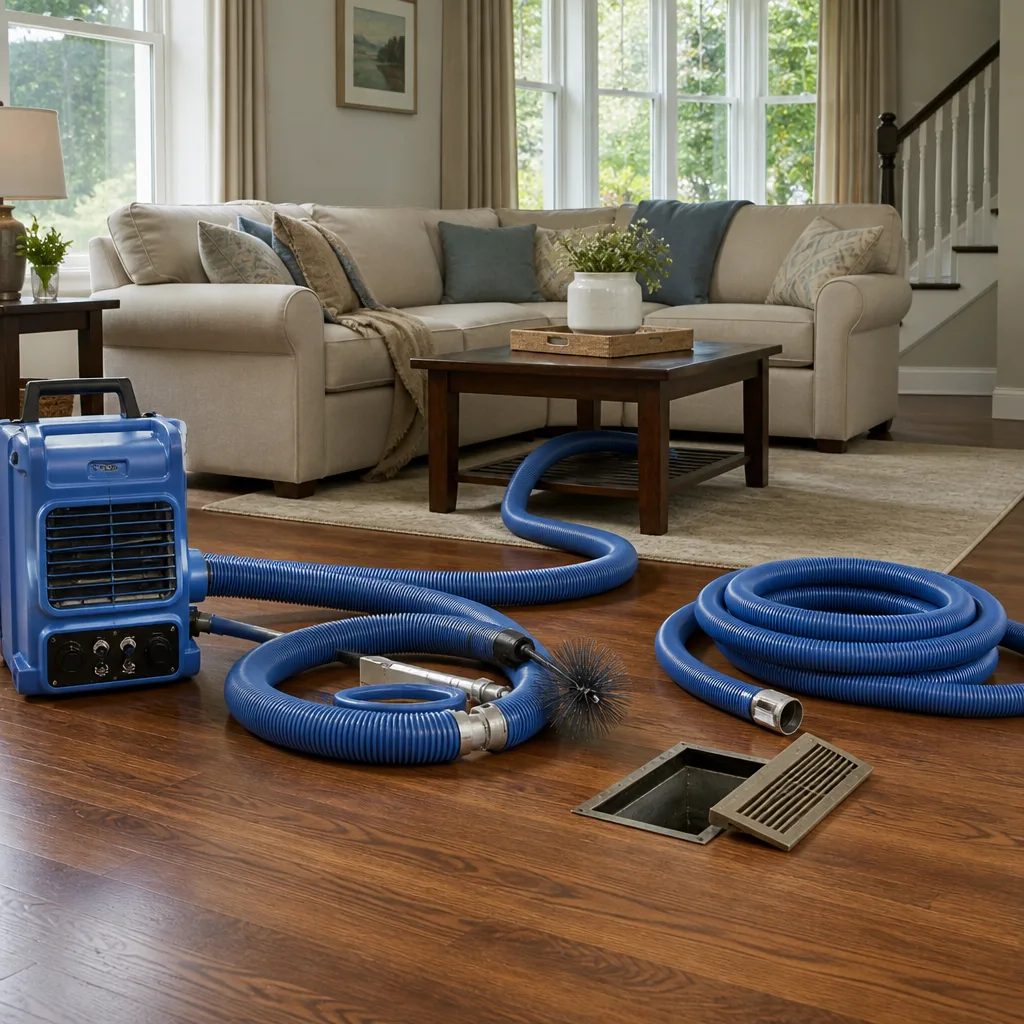 Whole-home duct cleaning
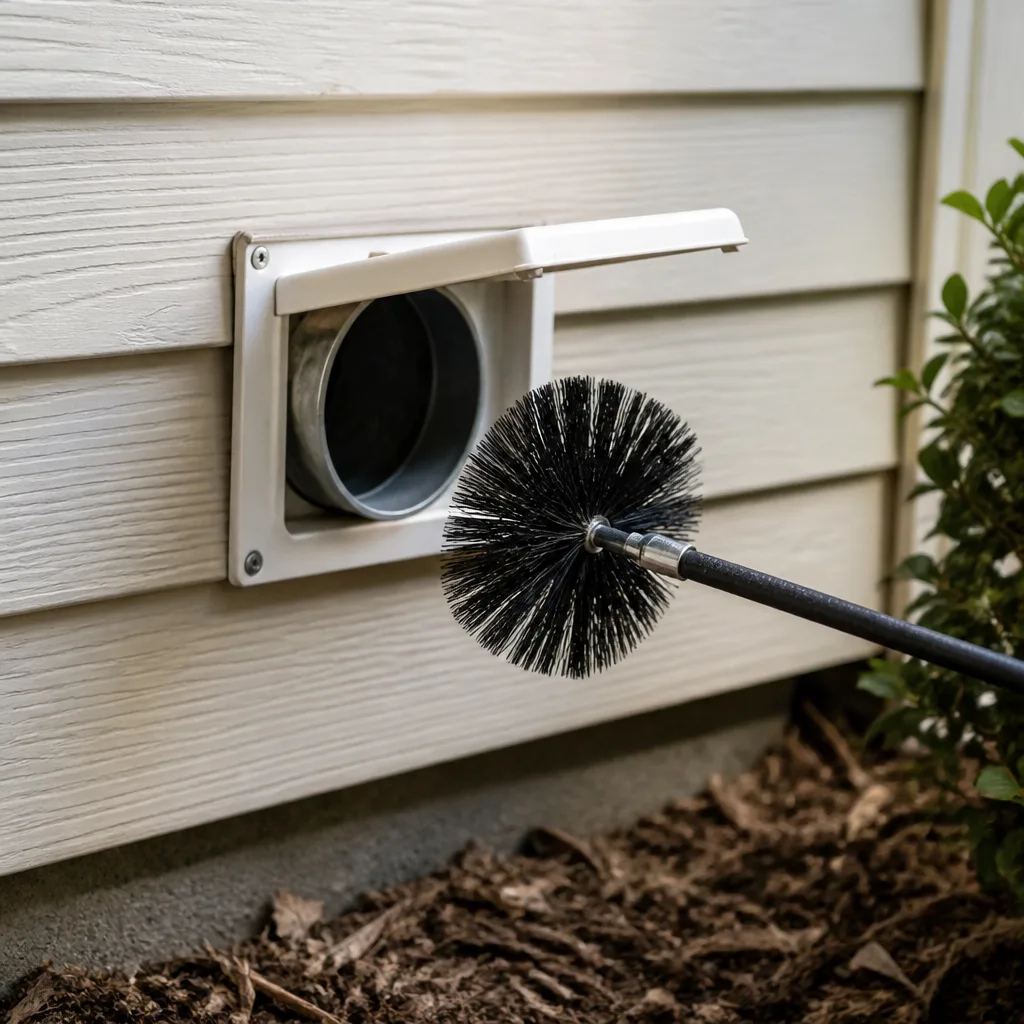 Dryer vent cleaning
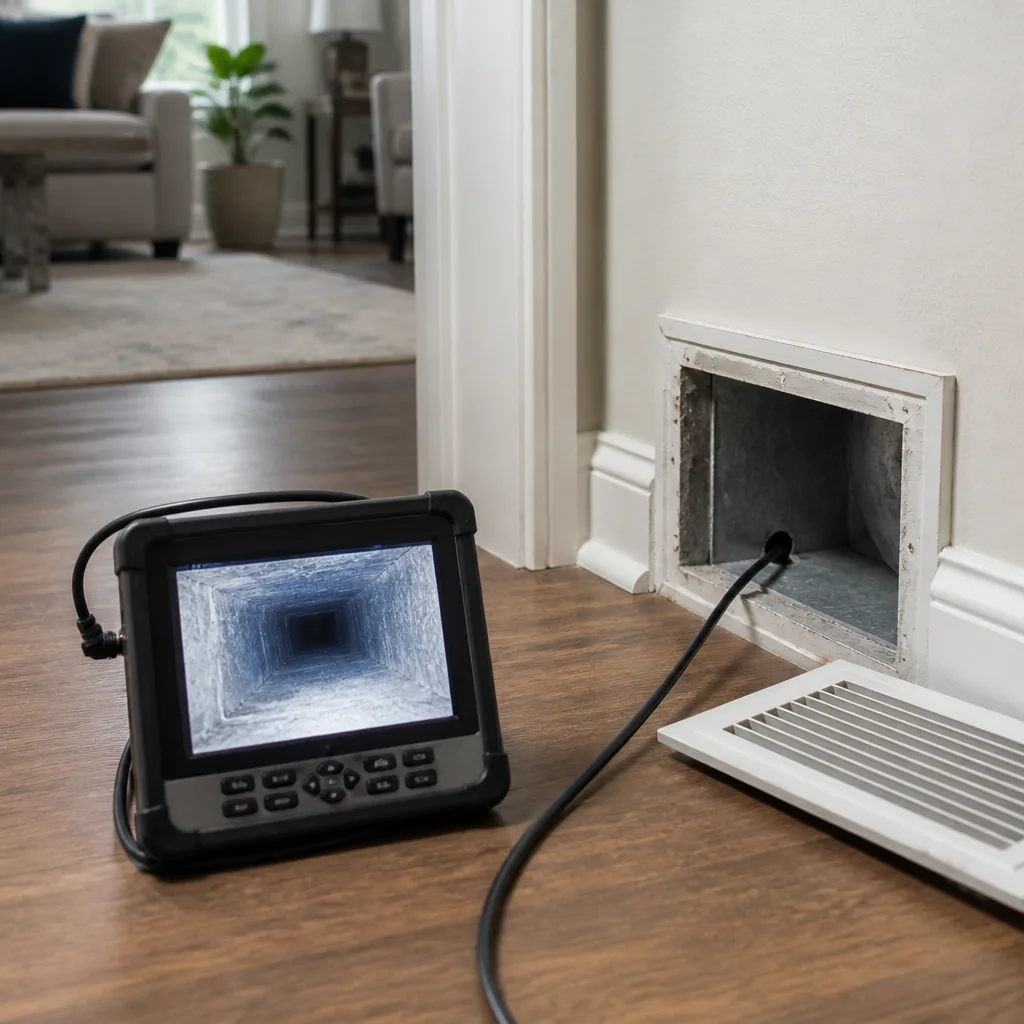 Camera inspection
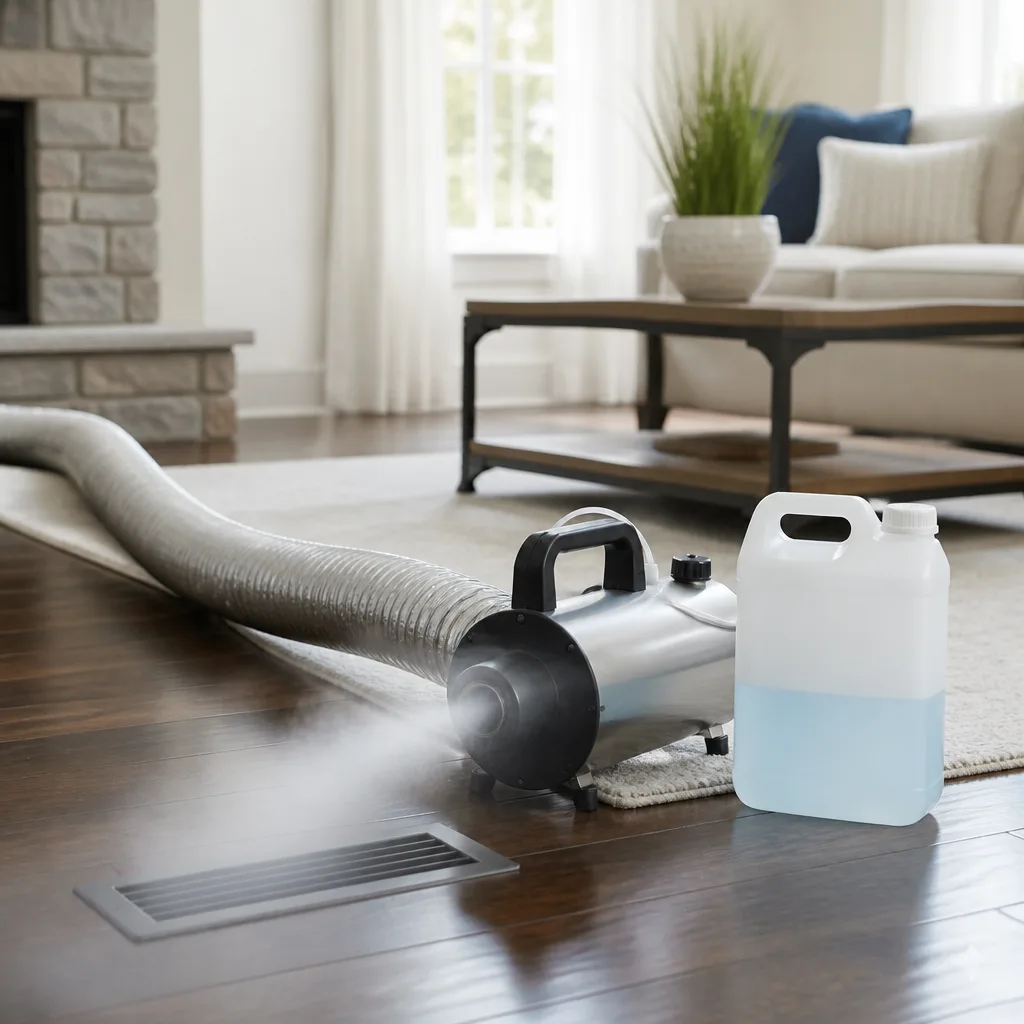 Sanitizing & deodorizing
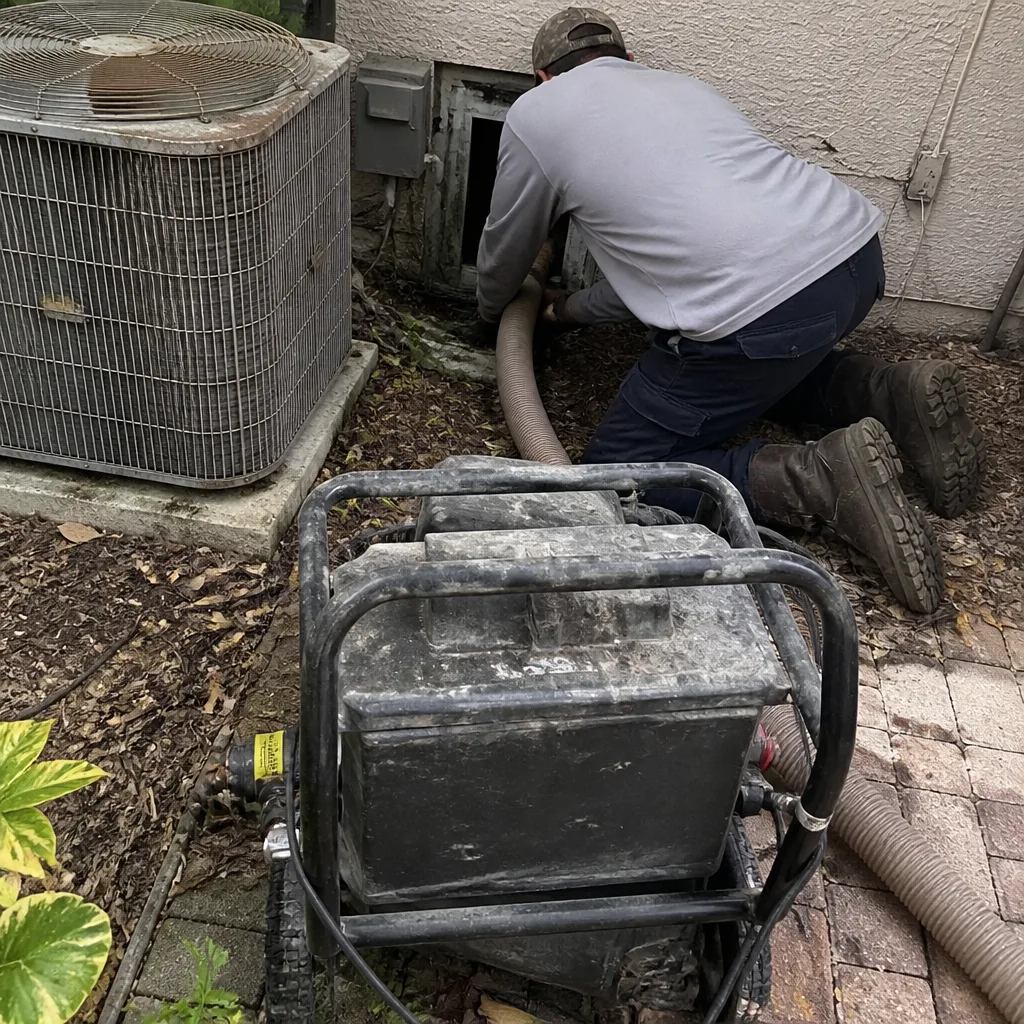
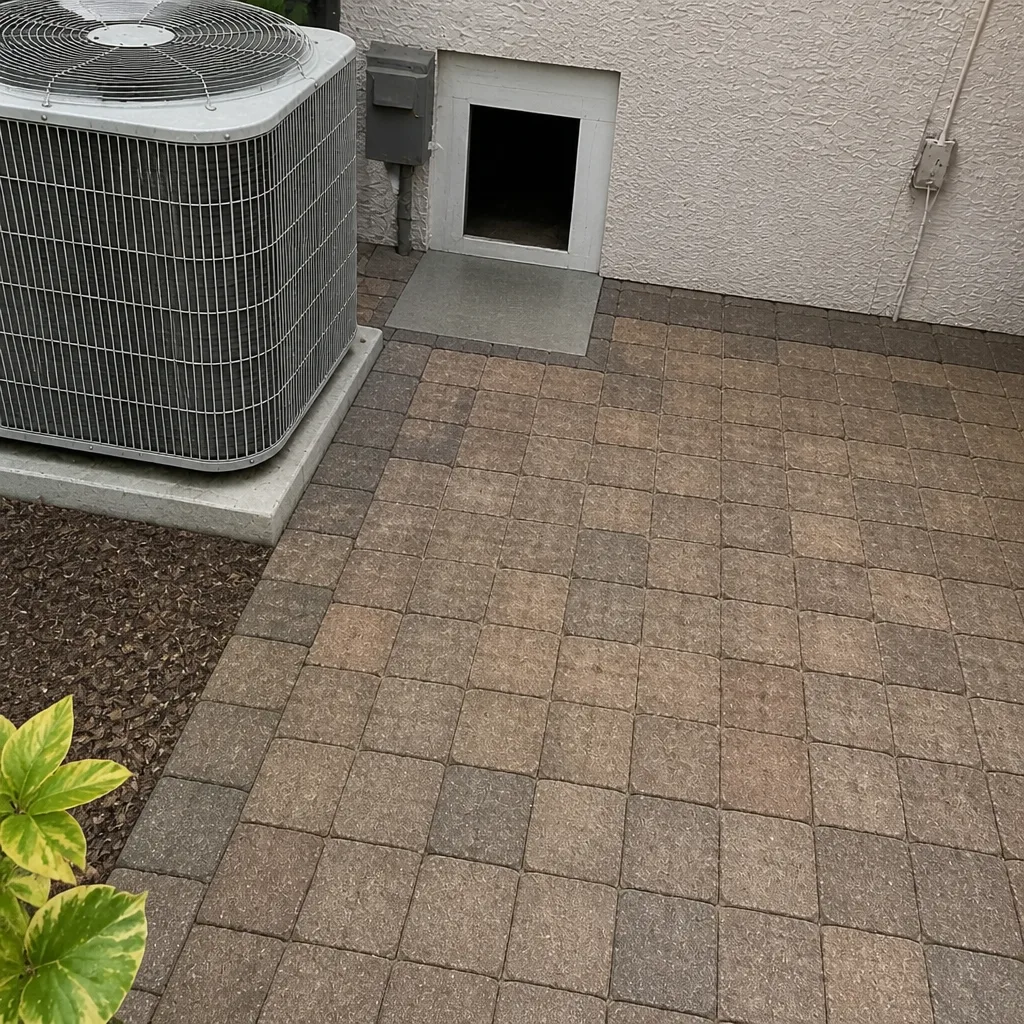
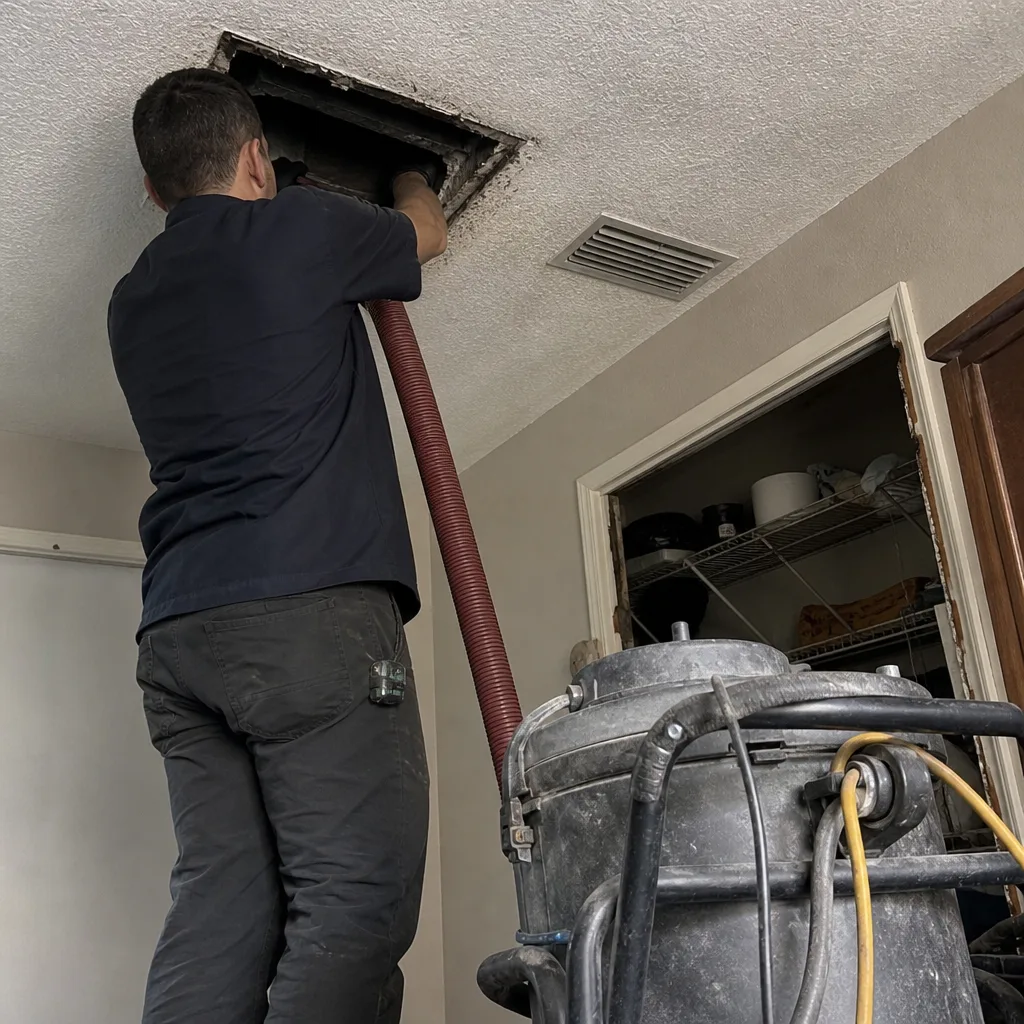
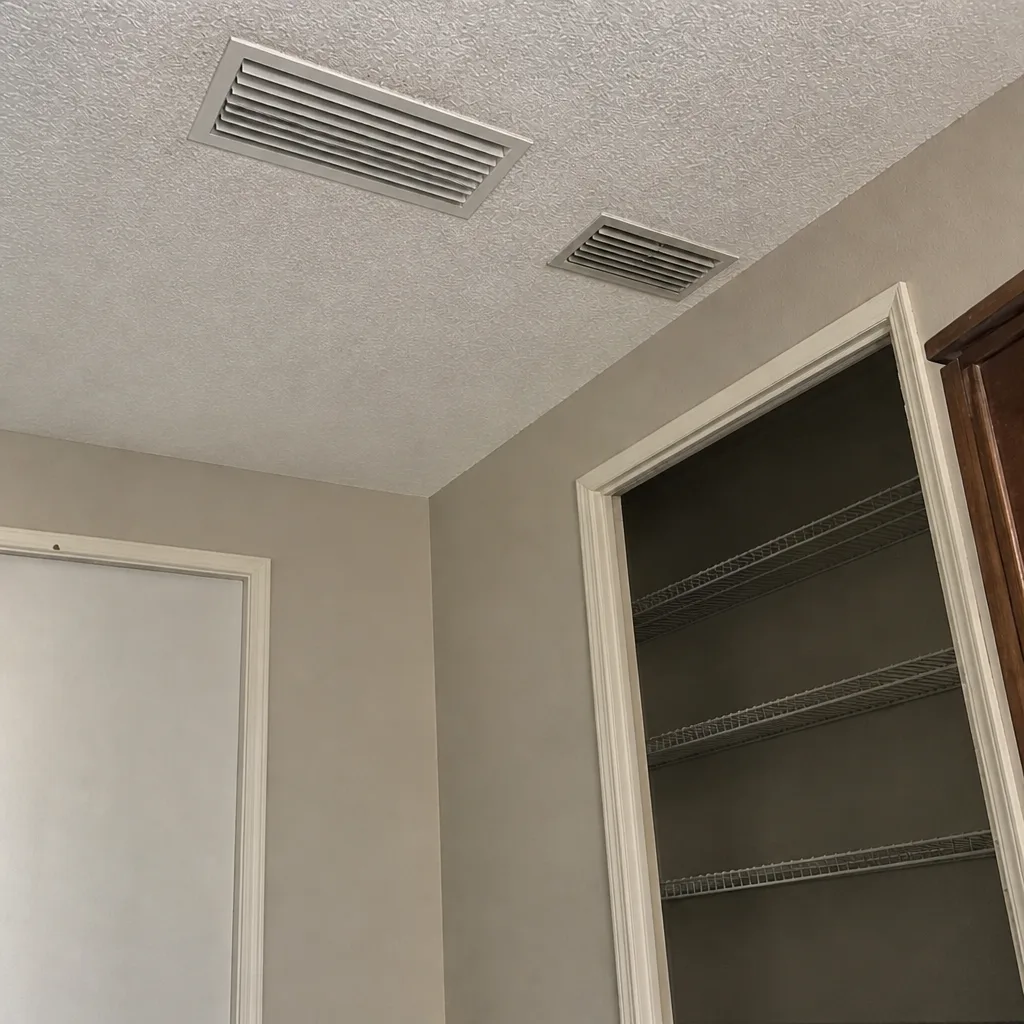
Whole-system duct and dryer vent check with before-and-after photos - you see exactly what came out of your vents
That "$99 whole-house special" is a bait ad - the real number appears once they are in your hallway, or the "clean" is a shop-vac at the register. We photograph the inside of your ducts before and after instead.
How to Hire an Air Duct Cleaning Contractor in Coral Springs: A Step-by-Step Guide
Here’s the uncomfortable part of this whole process: Florida has no state license specifically for air duct cleaning. That means the same unbranded van and a glossy website can belong to a crew that shows up with a shop vac or to technicians running a professional rotary system, and both will use the exact same words to sell you the job. Coral Springs homeowners are left to do the vetting themselves. This guide hands you that filter. You’ll learn the exact equipment questions to ask, how to read a quote for what it’s actually promising, how to verify credentials that matter, and how to spot the difference between clean ducts, confirmed, and a half-hour visit that only dusted the grilles.
Quick Answer
To hire an air duct cleaning contractor in Coral Springs, ask three things before you book: what equipment they’ll use (rotary brush plus a high-powered vacuum, not a shop vac), whether a written scope sets one flat price for the whole system rather than per vent, and whether they inspect your ductwork in person before quoting. A contractor who answers all three specifically, in writing, and matches what the equipment can actually do is your candidate. Someone who leads with a coupon price and mold upsells on the first call is not. Our technicians have up to 10 years of experience, and the questions below are the ones we’d want asked of us.
Styles & brands we work with
- Whole-home duct cleaning
- Dryer vent cleaning
- Camera inspection
- Sanitizing & deodorizing
Table of Contents
- Why There’s No Florida License for Duct Cleaning (And What That Means for You)
- The Equipment Questions That Separate Pros From Shop-Vac Crews
- How to Verify NADCA Membership and What It Actually Obligates
- What a Legitimate Pre-Job Walkthrough Looks Like
- How to Read a Quote: Scope, Pricing, and Red Flags
- Insurance and Liability Questions to Ask in Florida
- What the Day of the Job Should Look Like
- Verifying the Work After It’s Done
Why There’s No Florida License for Duct Cleaning (And What That Means for You)
There’s no state license specific to air duct cleaning in Florida, and that single fact reshapes the entire hiring process. It means your filter can’t be a license number on a truck panel, because there isn’t one to check. So the filter has to be narrower and more technical: equipment, written scope, credentials they can prove, and references you can call. We’ve seen plenty of homeowners spend more energy comparing three coupon prices than vetting the actual people who’ll be in their attic.
The good news is that the industry does have a recognized standard to point to. NADCA, the National Air Duct Cleaners Association, publishes an assessment, cleaning, and restoration standard that describes what a proper cleaning involves. A credible contractor will usually reference it or operate along its lines. What it does not do is certify a specific technician, guarantee a specific outcome, or replace your own due diligence. NADCA membership is a starting filter, not a finish line.
What it does give you:
- A baseline commitment to industry standards and a code of ethics
- A signal that the contractor invests in professional development
- A way to confirm they’re an actual business, not a one-van operation
What it doesn’t give you:
- A state license number, because none exists for this trade
- An automatic guarantee about the crew on your specific job
- Any protection against vague proposals or per-vent pricing
Coral Springs has a lot of newer construction and a steady stream of renovations, which means plenty of systems with drywall dust and construction debris in the trunk lines. A contractor who understands that should be talking about your whole system, not just your vents. This is where the first set of questions starts.
The Equipment Questions That Separate Pros From Shop-Vac Crews
The single fastest way to sort contractors in Coral Springs is to ask what equipment they’ll run. Two categories do most of the sorting: the agitation source that knocks debris loose, and the vacuum that captures it. Entry-level outfits rely on a shop vac and maybe a shop-grade brush. Professional crews run a rotary cleaning system paired with a high-powered collector.
Here’s how to frame the questions:
- What agitation will you use? A professional-grade rotary brush system (Rotobrush is the recognized standard) scrubs the duct walls, lifting the debris film that vacuum alone leaves behind.
- What’s the vacuum, and what’s the airflow? Truck-mounted collectors move far more air than portables. Ask for the CFM rating and how it compares to the volume of your system. If the answer is vague, that’s the answer.
- How do you maintain negative pressure at the air handler? This is the question most homeowners never ask and the one that matters most. If the system isn’t under negative pressure while you clean, you’re just blowing dust around the house instead of pulling it out.
- What contaminant-capture equipment sits behind the vacuum? Abatement Technologies equipment signals genuine capture capability, not just surface-level debris removal.
- What’s the exit plan for the debris? A pro can describe the collector and how the material leaves the property without a cloud in your living room.
Professional-grade equipment, residential care. That’s the standard to hold out for. A crew that can name its rotary system, its vacuum, and its capture setup without hesitation is running the same platform commercial contractors use. A crew that says “we use a really strong vacuum” is telling you something too.
How to Verify NADCA Membership and What It Actually Obligates
NADCA membership is worth checking, but the value is in what it obligates versus what it doesn’t. Membership signals that a contractor has committed to the association’s standard, code of ethics, and continuing education. It doesn’t certify a particular technician, doesn’t guarantee a specific cleaning result on your system, and doesn’t replace the equipment questions above. Use it as one filter among several, never as the only one.
How to verify, step by step:
- Ask for the contractor’s NADCA member number or company name as it appears in the directory.
- Search the NADCA directory yourself. The listing should match the company you’re actually hiring, not a sister brand.
- Ask what training or certification individual technicians carry. Company membership and individual credentialing aren’t the same thing.
- Ask whether they’ll walk you through the scope of the job in writing before the visit.
- Ask for a recent reference in Broward County and actually call it.
What membership tells you is that the contractor has skin in the game with the industry’s own body. What it doesn’t tell you is whether the crew on your Coral Springs job is running a Rotobrush system or a handheld brush. That’s why the equipment questions come first. For a contractor who checks both boxes, see what a full air duct cleaning in the region typically covers so you can compare scope to scope instead of price to price.
What a Legitimate Pre-Job Walkthrough Looks Like
A credible contractor inspects your system before quoting, not after arriving with a price already framed on a per-vent sheet. This is the single clearest behavioral tell between a serious outfit and a coupon-mailer crew. The walkthrough typically takes 15 to 30 minutes and happens before any commitment.
Here’s what the walkthrough should involve:
- Looking at the air handler and return plenum. That’s where the negative pressure connection happens and where they’ll assess system size.
- Opening a sample supply register or two to check debris levels, visible dust film, and any signs of moisture.
- Asking about your system’s age, your last filter change, and whether there’s been a recent renovation. Renovation debris in the trunk lines is common in Coral Springs homes where remodeling is underway.
- Checking attic ductwork for sagging, disconnected joints, or crushed flex runs. Air duct repair isn’t a separate line item for a contractor who can fix what they find.
- Looking at the dryer vent as part of the same visit. A contractor who handles both duct and dryer vent cleaning can spot a lint-packed run that’s worth addressing while they’re already in the attic.
What the walkthrough shouldn’t involve: a price before anyone has seen your system, an instant mold diagnosis from the driver’s seat, or a proposal with “premium treatment” language and no scope. The good news is the walkthrough is free, and a contractor confident in their process usually wants to do one.
How to Read a Quote: Scope, Pricing, and Red Flags
A legitimate quote prices the whole system as one job, not per vent, and describes what “cleaned” means in writing. That’s the industry’s bait-and-switch risk in one sentence, so read every quote for those two things first.
What a clean quote looks like:
- One flat price for the whole system. No per-vent line item, no tally of registers, no ceiling on the total.
- Written scope of work. What gets cleaned, how deep it goes, and what equipment does the cleaning.
- A clear price. The written estimate sets the final price. It doesn’t evaporate once the technician is inside.
- Any add-ons listed separately. Duct repair, dryer vent service, and filtration work should be line items you can accept or decline, not bundled into a “package” you didn’t ask for.
Red flags to walk away from:
- Price quoted before anyone inspected the system
- Per-vent pricing with no system cap (the total climbs as they count registers)
- A mold treatment upsell on the very first phone call, before anyone’s seen a thing
- “Best-price” language that shifts once the technician is in the attic
- A proposal with no written scope, just a number on a phone screen
Writers and homeowners alike should know: the price is set per job by the written estimate, and you should have that estimate in hand before work starts. If a crew can’t put scope and price on paper before the truck moves, that’s the answer you needed before you booked.
Insurance and Liability Questions to Ask in Florida
You’re inviting a crew to work inside your HVAC system and often in your attic. Florida’s attic environments are hot, contained, and full of things that break when stepped on wrong. The right insurance questions protect you as much as they filter contractors, so ask them directly and expect specific answers.
Questions worth asking every contractor:
- Are you insured and bonded? General liability is the baseline. Ask for a certificate of insurance and confirm the dates cover your job.
- What does the policy cover in an attic? Ductwork damage, ceiling damage, and anything dropped or crushed during the work.
- Who’s responsible if a duct connection is broken during cleaning? A pro should be able to describe how they inspect and how they handle the fix.
- Are the technicians your employees or day-of subcontractors? The answer shapes who’s actually liable.
- What’s the process if something goes wrong? Get a name and a contact, not a hand-wave.
In Coral Springs, attic ductwork installed in newer homes often uses flex runs that can crush or tear if walked on. A contractor who’s insured and experienced will know to route around it. A contractor who isn’t will discover that the hard way. If duct repair is needed, the serious outfit can quote it and do it on the same visit. We repair what others just clean around, and we can work with your insurer if that conversation is needed.
What the Day of the Job Should Look Like
On the day of the job, the process should be predictable and explained before anything gets touched. If you’re not sure what to expect, here’s the general shape of a proper whole-system cleaning.
- Arrival and re-confirmation. The scope and price you agreed to in writing get confirmed before work begins.
- Protection. Drop cloths, corner guards, and negative-pressure connection at the air handler so debris has exactly one place to go.
- Register removal and cleaning. Supply and return registers come off, get cleaned, and go back.
- Rotary cleaning of the trunk lines and runs. The rotary brush scrubs duct walls; the vacuum pulls the loosened material out.
- Air handler and coil area inspection. Filter frame, plenum, and visible coil are checked.
- Repair of anything compromised. Disconnected joints, crushed flex, or torn boot connections get noted and quoted.
- Before-and-after photos. You see your own ducts, not stock photos.
- Walkthrough and system test. The crew confirms airflow and airflow balance before leaving.
The details differ slightly between one Coral Springs home and the next, mostly based on the duct layout and attic access. What shouldn’t differ is the sequence. A crew that skips protection, skips the negative-pressure setup, or skips the photo record is telling you something.
Verifying the Work After It’s Done
How do you know the work was actually done? Ask for before-and-after photos of your own ducts, walk the attic with the technician, and check the airflow at the registers yourself. Those three steps close the loop on the job and catch any concern before the crew leaves.
What to check:
- Photos of the duct interior before and after. Your ducts, your house, dated.
- Airflow from each register. It should be steady, not stuttery, and you should feel a difference where you didn’t before.
- Attic ductwork inspection. If repair was part of the scope, look at what was repaired.
- Filter condition. A pro should tell you about the filter before they finish, not after.
- Written confirmation of the scope. What was cleaned and any items deferred or quoted for repair.
If your ducts connect to a whole-home filtration or humidity setup (Honeywell and Aprilaire systems in the same home are common in Coral Springs), ask how the cleaned ducts interact with that system. A duct-only cleaner often doesn’t have a good answer. A crew familiar with those brands can explain how the filter and humidistat settings fit your cleaned ductwork. That cross-system view is where the work actually pays off.
Common Mistakes to Avoid
- Comparing prices before scopes. A cheap quote means nothing until you know what “cleaned” means in that proposal. Compare apples to apples or the cheapest number will get you the cheapest job.
- Accepting a price quoted at the door. In Coral Springs, no contractor has seen your system until they’ve walked it. A door quote is a guess at best, a bait-and-switch at worst.
- Paying per vent without a cap. Per-vent pricing rewards counting registers. Ask for the whole-system price instead, in writing.
- Skipping the equipment questions. If you don’t know what vacuum and brush will be in your house, you don’t know who you hired.
- Accepting a mold upsell on the first call. Real contaminant findings come from an inspection, not a phone pitch. Book the walkthrough first.
- Forgetting the dryer vent. Plenty of Coral Springs homes have a lint-clogged dryer run that the same crew could have addressed. Ask about it when you book.
- Not asking for before-and-after photos. A pro takes them anyway. Ask before, and check after.
See the difference
 Before
 After
 Before
 After
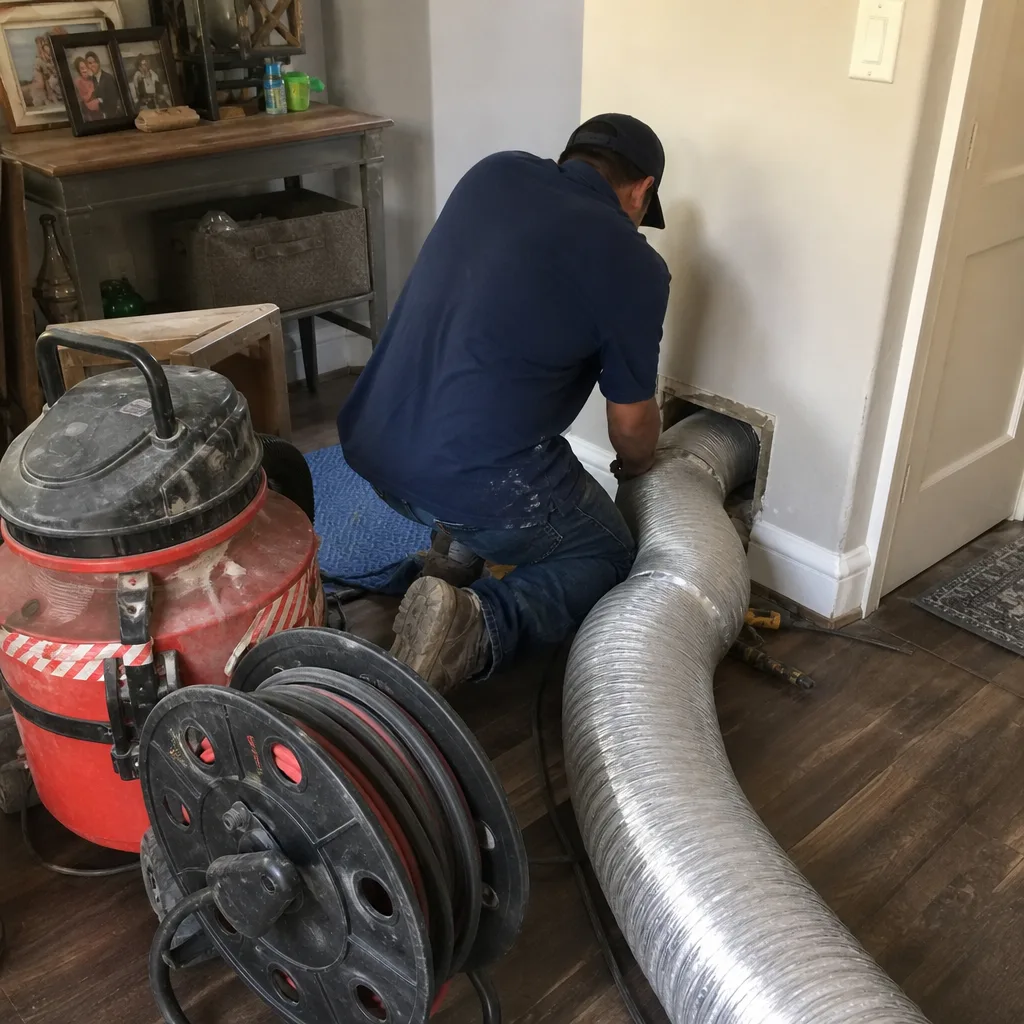 Before
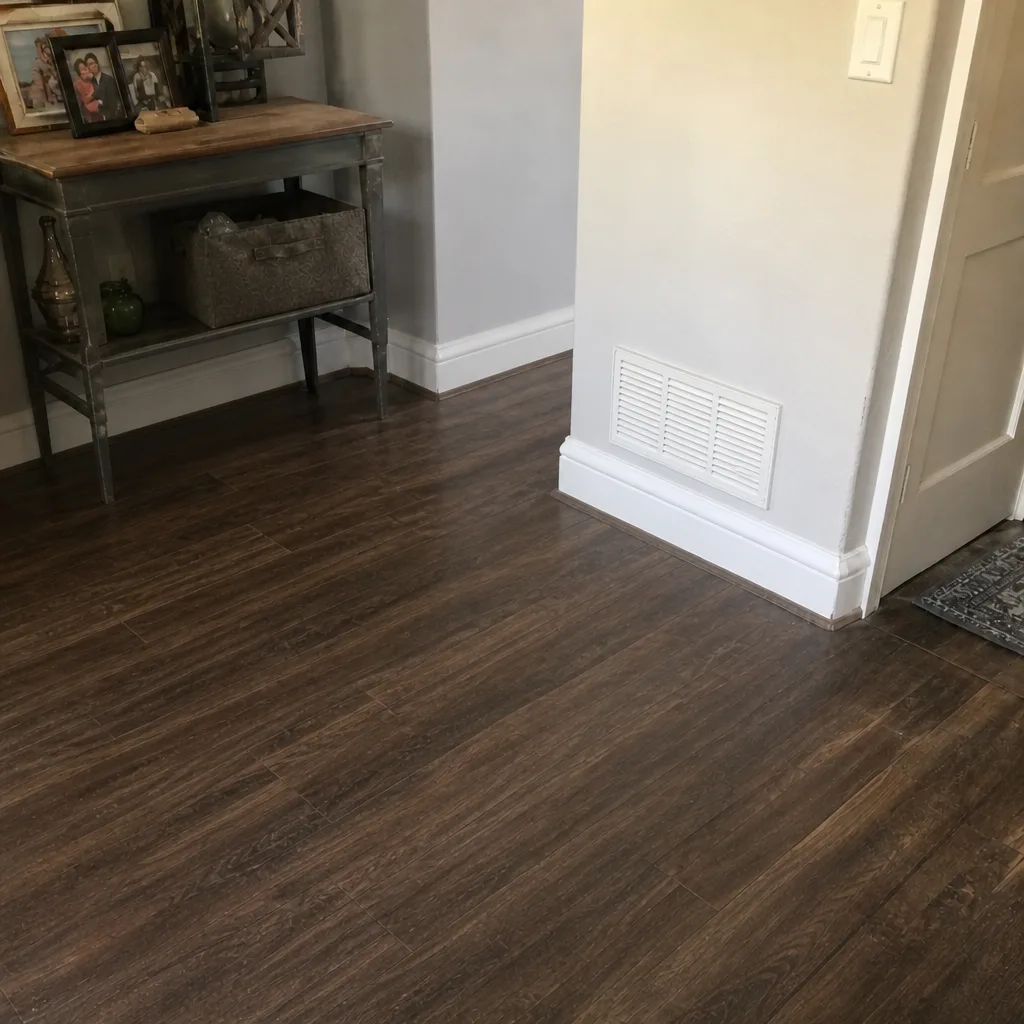 After
When to Call a Professional
Some problems shouldn’t wait for a spring cleaning. If you’re seeing visible dust streaks at the registers, a musty smell when the system kicks on, a recent renovation that pushed drywall dust through the return, or rising energy bills that don’t match your usage, it’s time to call. Same for a dryer that’s taking longer than usual or a duct run that got crushed by attic traffic. These are the signs a professional walkthrough will surface and a coupon visit will miss.
Harborview Air Duct Cleaning offers free estimates in Coral Springs – call (844) 761-5395. Our technicians have up to 10 years of experience, use Rotobrush and Nikro systems with Abatement Technologies capture equipment, and can handle air duct cleaning, dryer vent cleaning, and air duct repair on the same visit. We answer 24/7. Fast dispatch from 7am to 7pm, Sunday through Friday. The estimate is free, the price is set per job by the written estimate, and before-and-after photos come standard. If you’re comparing contractors in nearby Lauderhill, the same criteria apply.
Frequently Asked Questions
Most whole-system cleanings in Coral Springs fall in a mid-hundreds range for a standard home, and larger systems or jobs that include duct repair run higher; the written estimate sets the final price. Pricing is per job, not per vent, so the count of registers doesn’t move the total. Call (844) 761-5395 for an exact quote – estimates are free.
Cheaper quotes usually reflect a different job: a shop vac and surface wipe instead of a rotary brush with negative-pressure capture. A low coupon figure can creep up once the technician is on site and “extras” appear. The honest comparison is the scope, not the headline price. Call (844) 761-5395 and we’ll walk you through what one flat price covers.
Ask for before-and-after photos of your own ducts and walk the attic with the technician. A legitimate contractor takes those photos as part of the job and will show you the duct interior, not a stock image. Call (844) 761-5395 for a free estimate and ask us about the photo record up front.
There’s no universal schedule. A system with normal household dust, a well-fit filter, and no renovation can go several years between cleanings, while a home that just finished a remodel or has shedding pets often benefits sooner. The right interval is set by inspection, not by a calendar. Call (844) 761-5395 for a free estimate and a walkthrough that tells you where your system actually stands.
Florida doesn’t issue a specific air duct cleaning license, so the license check doesn’t exist for this trade. What you can check is insurance and bonding, NADCA membership in the directory, and whether the contractor runs professional equipment. Call (844) 761-5395 and we’ll answer the credential questions directly, in writing.
A rotary brush system plus a high-powered vacuum, with the vacuum connected so the duct system stays under negative pressure while it’s cleaned. Rotobrush and Nikro systems with Abatement Technologies capture equipment are the standard we work to, and it’s the equipment check that separates a real cleaning from a surface-level one. If you’re also looking at Harborview Air Duct Cleaning reviews or references, ask for the equipment list and the written scope side by side.
The Bottom Line
Hiring an air duct cleaning contractor in Coral Springs comes down to a short list of verifiable facts: what equipment they run, whether the written quote prices the whole system as one flat price, whether they inspect before quoting, and whether they can prove insurance and NADCA membership. Skip those and you’re choosing on marketing language alone, which is exactly what a shop-vac crew is counting on. Get them in writing and you’ve filtered the field in about ten minutes of phone calls. That’s the whole method, and it works every time.
Written by the team at Harborview Air Duct Cleaning.
Contact
Call (844) 761-5395 for a free estimate. We answer 24/7. Fast dispatch from 7am to 7pm, Sunday through Friday. We’ll run the equipment questions, the written scope, and the walkthrough with you before anything’s booked, and the price is set per job by the written estimate. Clean ducts, confirmed.