
Last updated November 15, 2026
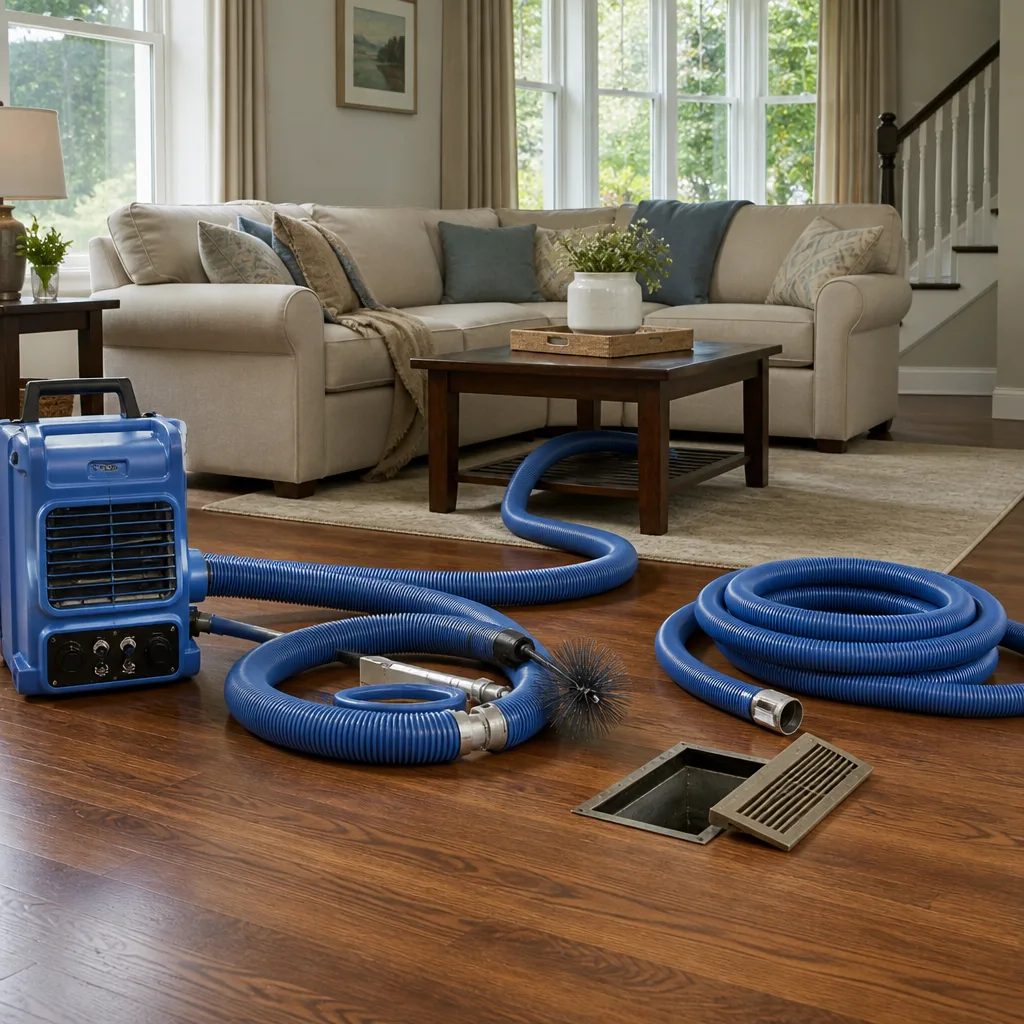 Whole-home duct cleaning
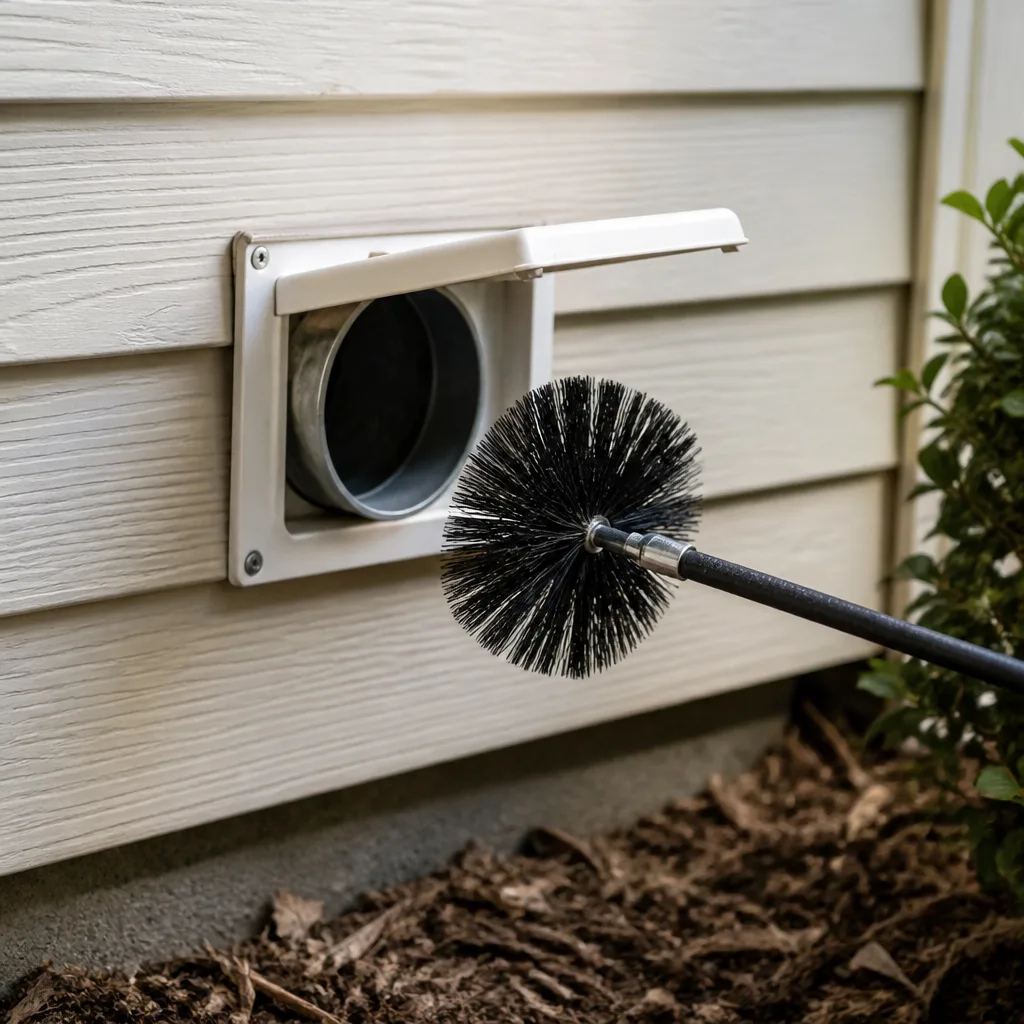 Dryer vent cleaning
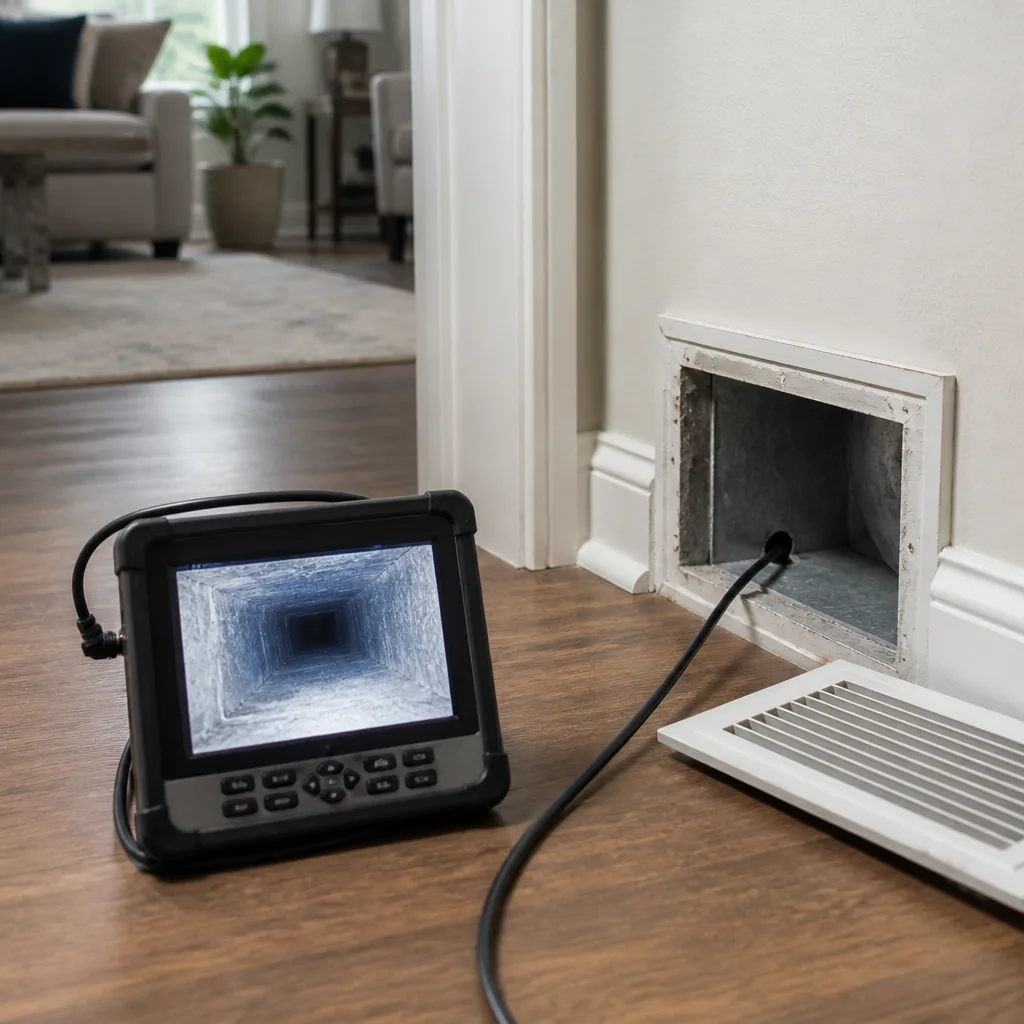 Camera inspection
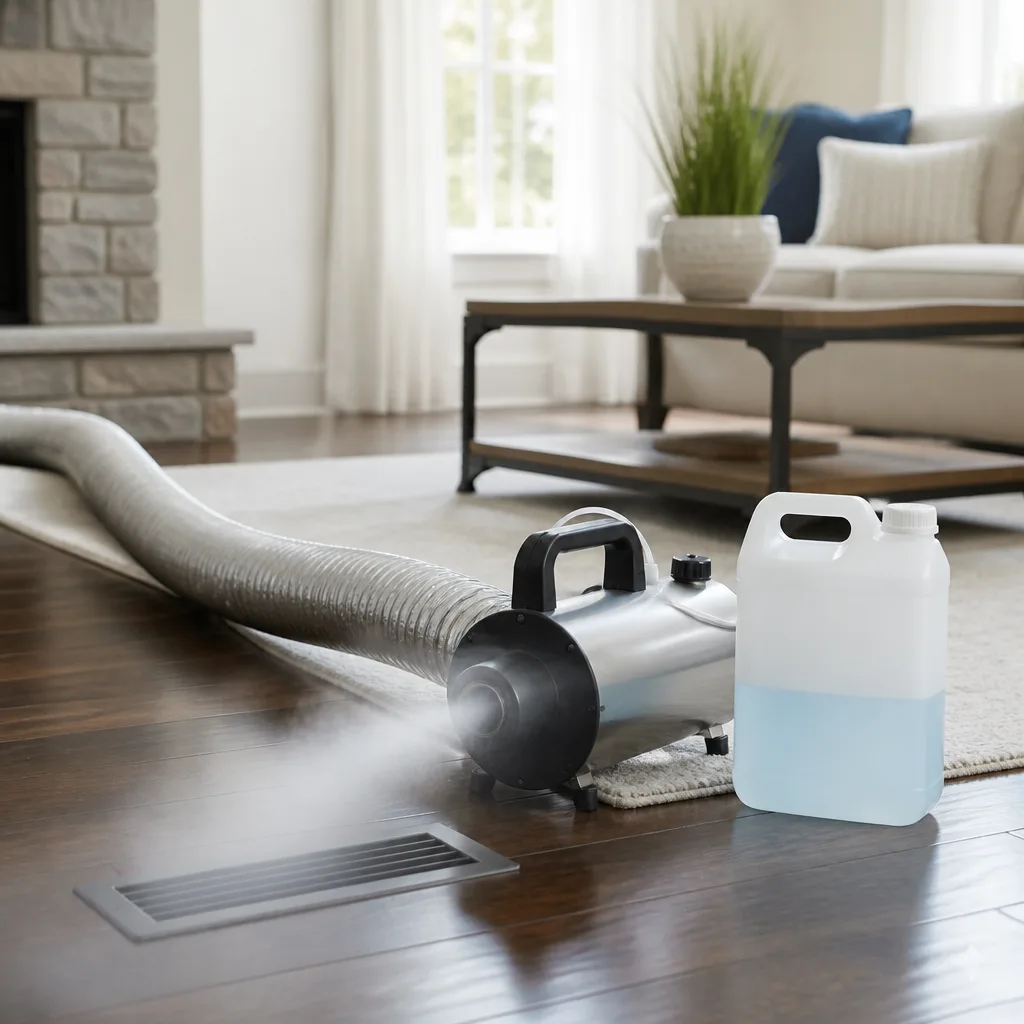 Sanitizing & deodorizing
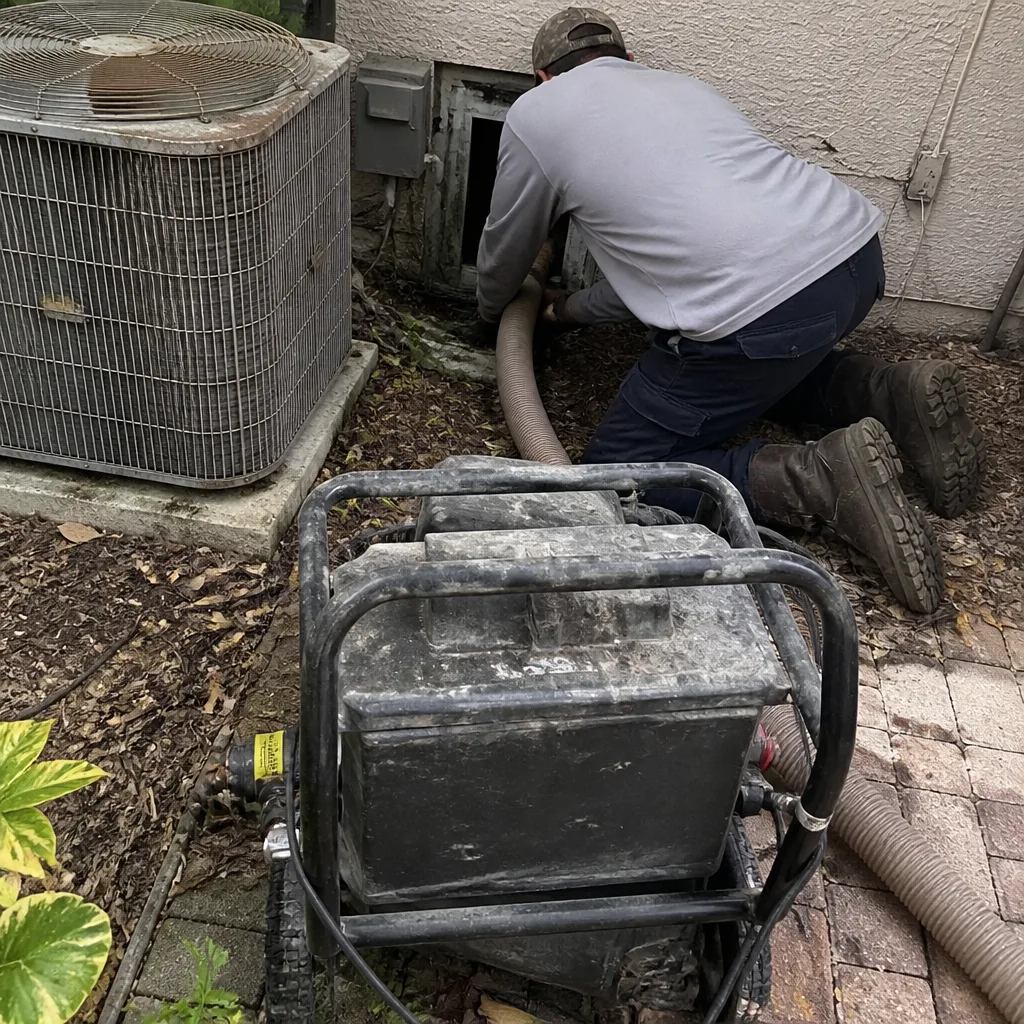
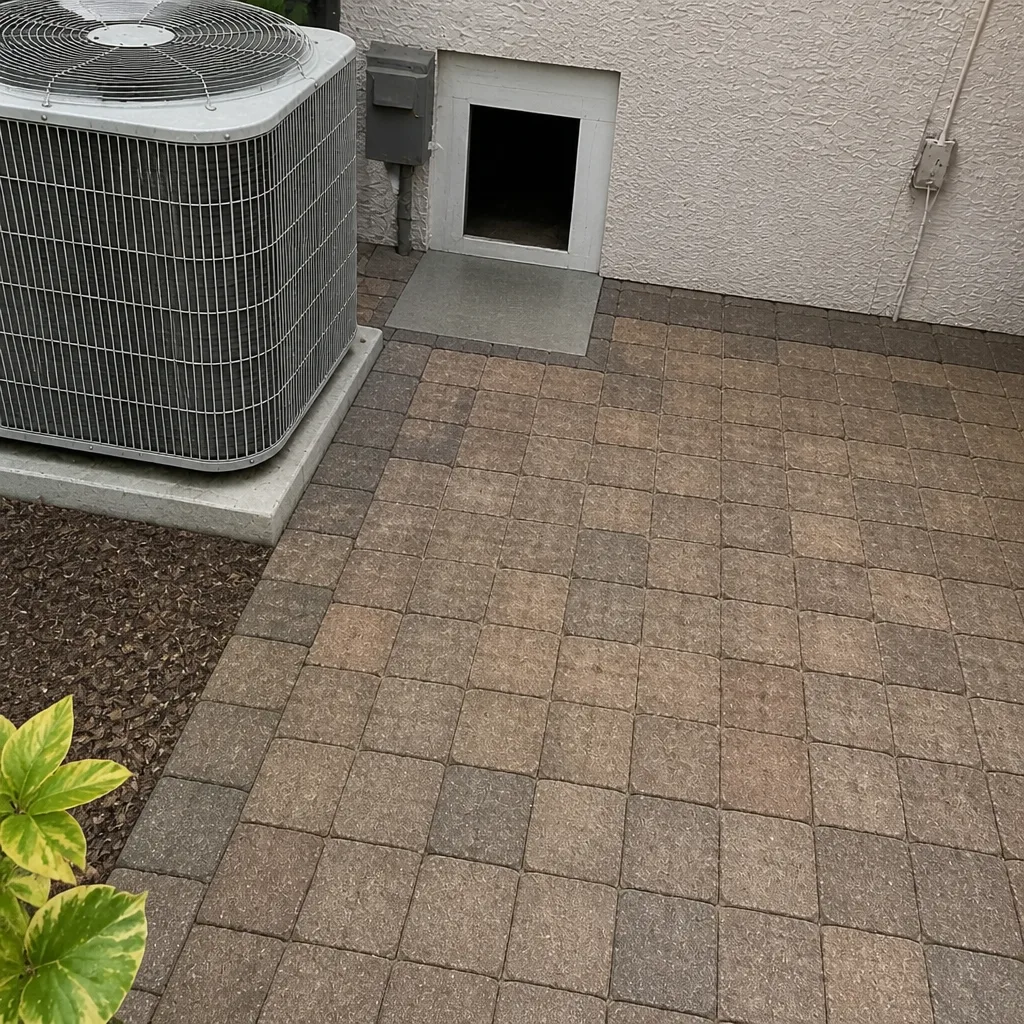
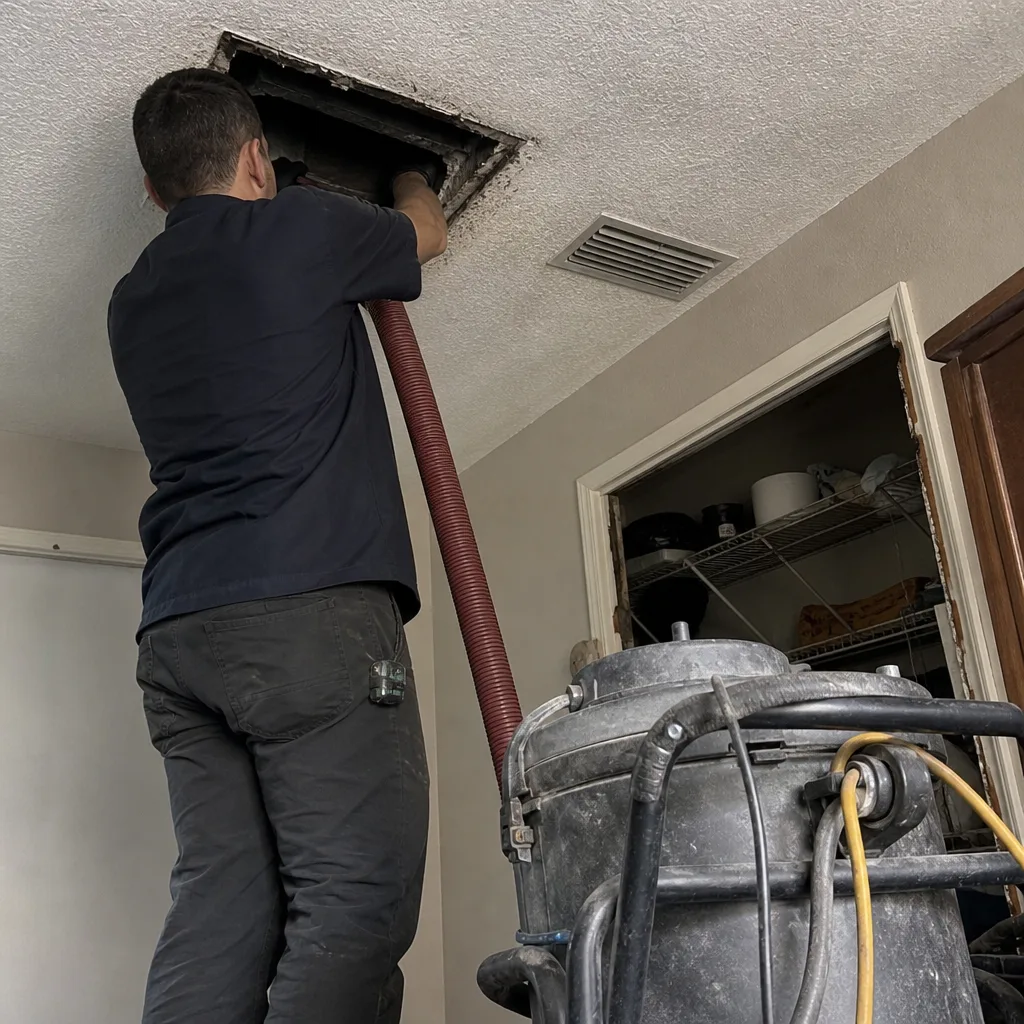
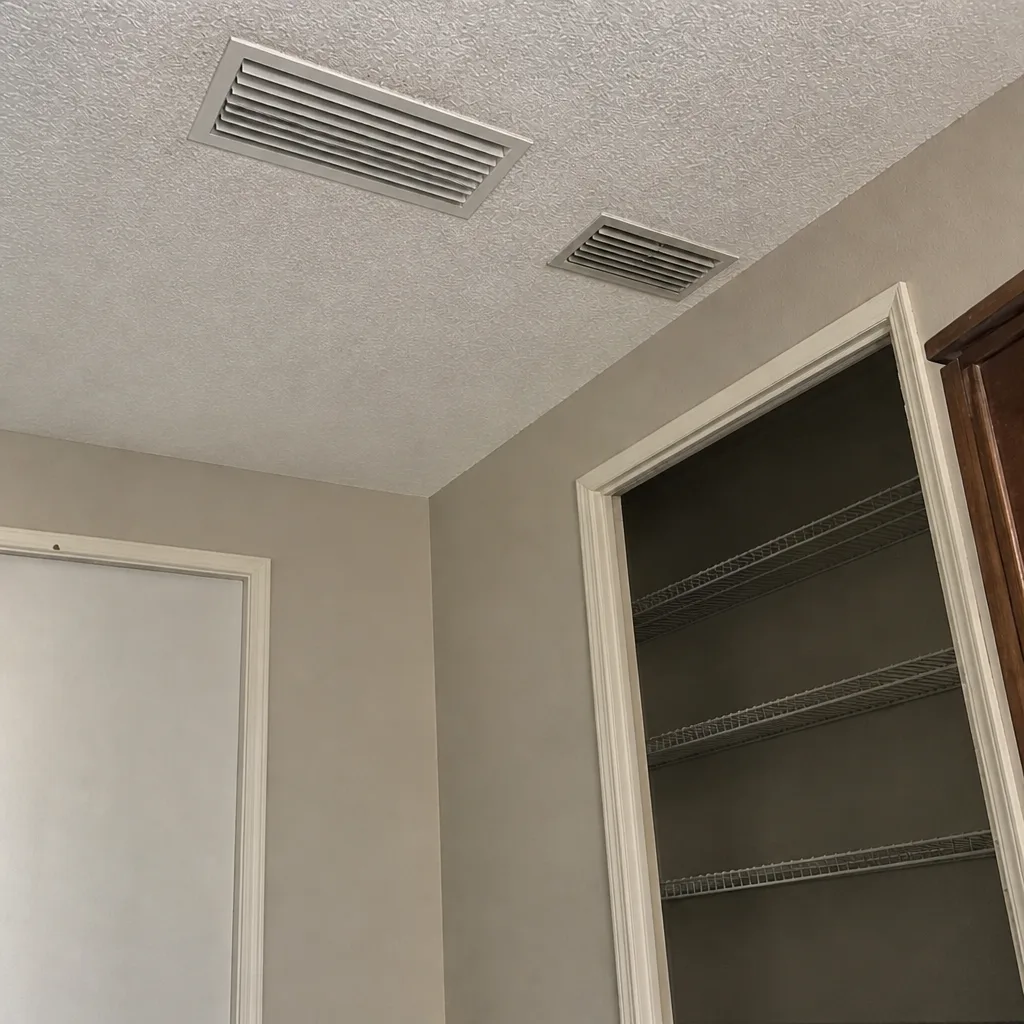
Whole-system duct and dryer vent check with before-and-after photos - you see exactly what came out of your vents
That "$99 whole-house special" is a bait ad - the real number appears once they are in your hallway, or the "clean" is a shop-vac at the register. We photograph the inside of your ducts before and after instead.
Seasonal Air Duct Cleaning Care for Coral Springs: Year-Round Homeowner’s Guide
January feels like the natural time to schedule a duct cleaning. It’s the start of a new year, the calendar is empty, and the house could use a reset. That instinct makes sense almost everywhere in the country. In Coral Springs it’s mistimed by about nine months. This city doesn’t have four seasons; it has one long air-conditioning season interrupted by a storm season. Your duct system’s heaviest contamination load builds during the months your AC runs hardest and the air outside is wettest, not during the mild, dry stretch that gets labeled winter. This guide walks through the actual maintenance calendar we recommend for Coral Springs homes, from the pre-summer inspection window to the post-storm checks most homeowners skip.
Styles & brands we work with
- Whole-home duct cleaning
- Dryer vent cleaning
- Camera inspection
- Sanitizing & deodorizing
Quick Answer
For most Coral Springs homes, the best window for a full duct cleaning is late October through November, right after peak hurricane season and before the seasonal-resident AC surge. A secondary check belongs in March and April, before the system starts running 16 or more hours a day. Homes that sit vacant for part of the year need a cleaning tied to occupancy, not to the calendar.
Table of Contents
- Why the Standard Duct Cleaning Calendar Doesn’t Fit Coral Springs
- The Optimal Cleaning Window: Late October Through November
- Pre-Summer Preparation: March and April System Checks
- Post-Storm Duct Protocols for Coral Springs Homes
- Allergy Season Overlap and Indoor Allergen Loads
- Snowbird and Rental Properties: The Vacancy Problem
- What a Whole-System Cleaning Actually Covers
- Common Mistakes to Avoid
- When to Call a Professional
- Frequently Asked Questions
- The Bottom Line
Why the Standard Duct Cleaning Calendar Doesn’t Fit Coral Springs
Most advice you’ll read about duct maintenance was written for a climate with a real heating season. In those places, the system rests for months, the windows open, and the whole house airs out. Coral Springs doesn’t get that reset. The air handler here can log serious runtime almost every month of the year, and the mild stretch locals call winter is really just the period when the system cycles off for a few hours a day instead of never.
That changes what accumulates inside the ducts. Three factors drive contamination in this city, and all three are tied to warmth and moisture rather than cold:
- Extended system runtime. A system running 16 or more hours a day pulls far more air through the same filter and the same duct walls than a system running a few hours in the morning and evening. More air moved means more particulate deposited on interior surfaces.
- Year-round humidity. Coral Springs keeps a humid air mass in place for most of the year. Moisture in the return side of a system is what turns ordinary dust into the darker, clinging buildup that a shop vac can’t lift.
- Pollen and fine debris that never stops. There’s no hard freeze to reset the outdoor allergen load. Something is flowering or shedding through most of the year.
The practical result is that a Coral Springs duct system doesn’t get the deep annual break a northern system does. It accumulates continuously, and your cleaning schedule should be built around when that accumulation is highest and when the next heavy-use stretch is coming.
If your system has gone more than a couple of years without attention, start with a professional air duct cleaning assessment rather than guessing from the calendar alone.
The Optimal Cleaning Window: Late October Through November
If you clean once a year, late October through November is the window we’d choose. It sits on the far side of peak hurricane season and on the near side of the seasonal-resident surge, which makes it the one point in the Coral Springs year when the system is about to change how it’s used.
Here’s why that timing works:
- Peak storm season is behind you. The tropical moisture and wind-driven debris of late summer have already done their damage. Cleaning after that stretch means you’re clearing the season’s load instead of cleaning and then sitting through it again.
- The heaviest use is ahead. Seasonal residents arrive and the AC takes on its double load. You want clean ducts and a clear return path before that begins, not in the middle of it.
- Humidity is marginally lower. Drying conditions inside the system are better in that window than in the middle of summer, which matters when you’re cleaning a system that has been damp.
- You catch problems before they compound. A late-fall inspection finds loose joints and compromised flex runs before another hard season works them looser.
One more consideration: a partial-year home that’s been shut up over the summer will have the worst buildup of any house on the block. That’s the other reason the fall window is the right one to book. If you’re in a neighborhood that took a direct hit from a storm, don’t wait for the calendar; a post-storm check is a separate item covered below.
Pre-Summer Preparation: March and April System Checks
The second key date on the Coral Springs duct calendar is the pre-summer check. Think of it as the tune-up, not the deep clean. The point is to confirm the system is ready to run hard for roughly six months without an obvious problem compounding.
What a pre-summer check should cover:
- Filter condition and fit. A filter that’s undersized for the slot or caked with dust starves the system and pushes more debris past it into the ducts. Check it before the long run, not after.
- Return air path. Look for dust trails around the return grilles. Visible streaking usually means the system is pulling air around the filter rather than through it.
- Duct joint integrity. Loose joints and separated flex connections leak cooled air into the attic. That’s lost efficiency and a pathway for the attic’s heat and insulation particles to enter the airstream.
- Interior condition of the ducts. A quick professional scope of the ducts tells you whether last season left buildup worth removing before the heavy run begins.
This is the moment in the year when a whole-system inspection pays for itself even if you don’t clean. If the ducts only need a light clean and a reseal, you’ll hear that. If they need more, you want to know in April, not in August when the house is working overtime. If you’re familiar with air handlers running whole-home filtration like Honeywell or Aprilaire equipment, this is the right time to confirm the filter stages are doing what you’re paying for. Clean ducts and a correctly staged filter system work together; one doesn’t compensate for the other.
Post-Storm Duct Protocols for Coral Springs Homes
Storm systems do two things to a duct network in Coral Springs: they push pressure against the building envelope, and they introduce moisture where it doesn’t belong. Both leave traces inside the ducts. A post-storm check isn’t about panic; it’s about a short list of things to confirm before the system runs again.
After a tropical storm or hurricane passes through, work through these steps:
- Confirm the air handler stayed dry. Moisture around the unit is the one thing that needs immediate professional attention, especially if the drain pan overflowed or the cabinet got wet.
- Inspect for water intrusion at the ducts. Look for staining or sagging under duct runs, particularly in the attic. A soggy run of flex duct is a moisture source the rest of the system will keep pulling from.
- Check for displaced or separated connections. Wind pressure and shifting can pull connections apart. Look for fallen or dangling runs in the attic and signs of loose ceiling grilles.
- Look for wind-driven debris. Leaves and fine debris can enter through an outside air intake or a compromised grille.
- Don’t run the system until the inspection is done. If any part of the system appears wet or disconnected, let a professional confirm it first.
If water got inside any part of the duct system, that’s not a case for a quick vacuum. Water intrusion inside a duct means the interior surfaces may need to be cleaned and dried properly, and possibly repaired where the material has degraded. That’s why a duct repair capability matters as much as cleaning capability during storm season. We’re experienced with Abatement Technologies contaminant-capture equipment, which is the right tool for a post-storm job where the concern is moisture and contaminant control, not just surface debris. Fast dispatch from 7am to 7pm makes a post-storm inspection practical to schedule once the weather clears.
Allergy Season Overlap and Indoor Allergen Loads
Coral Springs doesn’t get a pollen season. It gets several, and they run into each other. The plants most often named locally as allergen drivers, including melaleuca and Brazilian pepper, along with grass pollen, put fine material into outdoor air through much of the year. Your HVAC system is the thing pulling that air into the house, so what’s inside your ducts directly affects how much of it recirculates.
The relationship is straightforward: a clean system with clean ducts moves air through the filter with less disturbance, and less built-up material on duct surfaces means less of it getting stirred back into the room. A system with heavy interior buildup effectively becomes a second, unfiltered reservoir that reintroduces material every time the blower runs.
What you can do about it through the year:
- Match filter to season. During the heavy pollen months, a filter that catches fine particulate does more work than a basic one, provided the system can handle the pressure drop. Check this with a technician rather than guessing.
- Don’t skip the return side. Return ducts carry the dustiest, most heavily loaded air. Cleaning supply grilles while ignoring the return is the most common half-measure we’re asked to correct.
- Watch for sudden dust. A burst of visible dust at the vents after a household has been closed up for a stretch often points to built-up material being disturbed rather than a new outside source.
Nobody should promise you that duct cleaning cures allergies. What a clean, correctly sealed system does is remove one avoidable source of indoor particulate. That’s a real, measurable benefit; “cure” is a different conversation.
Snowbird and Rental Properties: The Vacancy Problem
A home that sits empty in Coral Springs for months each year has a different contamination problem than a year-round occupied home, and the difference is important. When the system sits off in a closed house during the humid months, moisture builds in the structure itself. Ducts sitting idle in that environment are a poor place for moisture to linger, and the interior surfaces can develop a distinct musty character.
Properties with higher turnover or periodic vacancy face specific challenges:
- System off, humidity on. Without air moving through the system, moisture settles rather than cycles out. The interior of the duct network can be much damper than it would be in an occupied home.
- “Closed-up” dust load. A home that’s sealed for a season collects dust in a different pattern than one that’s continuously occupied, and a first-use restart can push that debris through vents quickly.
- Guest turnover in short-term rentals. A property that rotates guests brings in extra particulate load, which means a more frequent cleaning interval than a single-family home with the same floor area.
- The “winter” cleaning trap. Homes that get cleaned when the seasonal resident is in town are often cleaned at exactly the wrong time of year for the home’s actual condition.
If you manage rental properties, the right approach is a cleaning scheduled on vacancy, not on the calendar. Clean before the home sits closed up rather than after; a clean system left idle in a closed house is in a much better state than a loaded system left idle. If you manage properties here and want the surrounding area covered in the same trip, a stand-alone dryer vent cleaning for the same units belongs on the same visit. The Lauderhill market just south of Coral Springs sees the same seasonal patterns, so the approach carries across.
What a Whole-System Cleaning Actually Covers
A whole-system cleaning means cleaning the entire connected network: supply runs, return runs, the air handler, and the connections between them. It’s not cleaning the visible grilles and calling it done. That distinction is under the hood of most duct-cleaning complaints.
What the process involves at a professional scope:
- Set up containment. A high-powered vacuum creates negative pressure in the duct network so debris is captured, not blown into the house. This is where professional equipment separates itself from the shop-vac approach; our work uses Nikro vacuum technology for high-efficiency particulate capture.
- Mechanically clean the runs. A rotary brush system addresses the interior surfaces of every run, not just the accessible sections. This is why we use the Rotobrush platform, the same family of rotary cleaning system used on commercial and industrial work.
- Clean the air handler and its connections. The blower compartment and any return plenum connections get the same treatment as the runs.
- Clean every grille and register. Each one is removed, cleaned, and re-installed.
- Inspect for repair needs during cleaning, not after. Loose joints, disconnected runs, and degraded sections get flagged while the technician is already in the system. Because we also do duct repair, we can address compromised sections on the same visit rather than leaving you to find someone else.
- Verify and document. Before-and-after photos of your own system let you see what was done. That’s the standard we hold ourselves to; you shouldn’t have to take a technician’s word for the outcome.
One flat price per system is agreed before work starts, and the written estimate sets the final price. No per-vent math, no surprise line items at the end. That’s the structure that makes the job verifiable.
If you’re in the market for a quality crew in this part of South Florida, this is also the reason to ask about equipment and scope before comparing prices. For the full scope of what Harborview Air Duct Cleaning offers, start there.
Common Mistakes to Avoid
- Cleaning in January because that’s when you remember. It’s a reasonable instinct everywhere except here. By January you’re cleaning in the middle of the seasonal-resident AC load and missing the post-storm window that would have caught the real buildup.
- Treating a post-storm check as optional. Coral Springs isn’t hit by every system that passes through, but when one does, water and debris can end up in the duct network. Assuming the attic is fine because nothing leaked into the living room is a common mistake.
- Cleaning grilles and calling it a whole-system clean. The most common version of this industry’s bait-and-switch is a “full clean” that never touches the return side or the air handler. Ask what the scope actually covers.
- Leaving a vacant home’s system untouched for the season. A snowbird property that sits closed up through the humid months will have a different contamination profile on restart than a year-round home. Clean before it’s closed up, not after.
- Judging the crew by the price on a mailer. A teaser price that becomes a much larger invoice once the technician is on site is the pattern most homeowners have been burned by. Ask for a whole-system price in writing before work starts.
- Cleaning around a known leak. If a duct run is separated or compromised, cleaning won’t fix it, and the system keeps leaking cooled air into the attic. Clean and repair on the same visit.
- Ignoring the dryer vent in a seasonal property. Vacant and rental homes are often the ones where a dryer vent hasn’t been checked in years, and it’s the same trade. See dryer vent cleaning for how that service ties in.
When to Call a Professional
Some jobs call for a technician and some don’t. You don’t need a professional for a filter change, a visible grille wipe-down, or a quick look at the return air path. You do need one when:
- Water intrusion reached any part of the duct system, or the air handler cabinet got wet after a storm.
- A duct run appears disconnected, sagging, or crushed in the attic.
- You have persistent musty air inside the home that doesn’t improve when the system is off.
- You can see visible dust trails around multiple return grilles.
- A renovation produced heavy dust that the system pulled through while the work was happening.
- A seasonal property is about to be closed up for the summer, or has just been reopened.
Harborview Air Duct Cleaning offers free estimates in Coral Springs; the written estimate sets the final price. Call (844) 761-5395. We answer 24/7. Fast dispatch from 7am to 7pm. The technicians have up to 10 years of experience and use equipment built on the same tools commercial contractors use.
Frequently Asked Questions
For a year-round occupied Coral Springs home, we recommend a full cleaning every two to three years, with an annual inspection. Homes that host seasonal residents, short-term rentals, or that take in heavy dust from nearby construction need a shorter interval. The right answer depends on occupancy and the system’s actual condition, which is why an inspection is the starting point, not the calendar. Call (844) 761-5395 for a free estimate.
Late October through November is the optimal window for most Coral Springs homes because it comes after peak hurricane season and before the seasonal-resident AC surge. Spring is the right time for a lighter pre-summer check. If you can only clean once a year, the fall window is the better choice.
Check for water intrusion, displaced or separated duct runs in the attic, and wind-driven debris at any outside intake or compromised grille. If the air handler or any part of the duct network appears wet, don’t run the system; have it inspected first. A post-storm check is a short professional visit when the system is intact and a larger repair when it isn’t. Call (844) 761-5395 for an estimate.
Yes, most seasonal properties need a cleaning before the system is restarted after a long vacancy, not after. A home that’s been closed up through the humid months will have a different contamination profile than a year-round home, and the first run pushes built-up dust through the vents. Cleaning on vacancy is the correct interval for these homes.
A very low quote usually means “clean the grilles and go” rather than a whole-system cleaning. The price on the mailer is not the whole-system price, and the invoice often grows once the technician is on site. Ask for a whole-system price in writing, with before-and-after photos of your own system as the standard. Call (844) 761-5395 for an honest estimate with no per-vent pricing.
Cleaning removes one avoidable source of indoor particulate. It’s not a cure for allergies, and no one should tell you otherwise. What a clean, correctly sealed system does is reduce the amount of built-up material that gets stirred back into the air every time the blower runs, which matters through Coral Springs’ overlapping pollen seasons. Call (844) 761-5395 for an estimate.
The Bottom Line
Coral Springs runs on one long AC season, not four. The duct care calendar most homeowners follow was written for a climate that gets a real break, and this city doesn’t. The right schedule for most Coral Springs homes is a full cleaning in late October through November, a pre-summer check in March or April, and an immediate inspection after any storm that brought water or wind-driven debris near the system. Seasonal and rental properties get cleaned on vacancy, not on the calendar. If you want a whole-system cleaning with actual professional equipment and a flat price agreed before work starts, start with a free estimate.
Harborview Air Duct Cleaning offers air duct cleaning, dryer vent cleaning, and duct repair for Coral Springs homes. Clean ducts, confirmed with before-and-after photos of your own system, one flat price per system, and a written estimate that sets the final price. We’re licensed and insured, and our technicians have up to 10 years of experience using professional-grade Rotobrush, Nikro, and Abatement Technologies equipment, with experience across Honeywell, Aprilaire, and Guardsman air-quality systems. Call (844) 761-5395. We answer 24/7. Fast dispatch from 7am to 7pm, Sunday through Friday.
Written by the team at Harborview Air Duct Cleaning.
See the difference
 Before
 After
 Before
 After
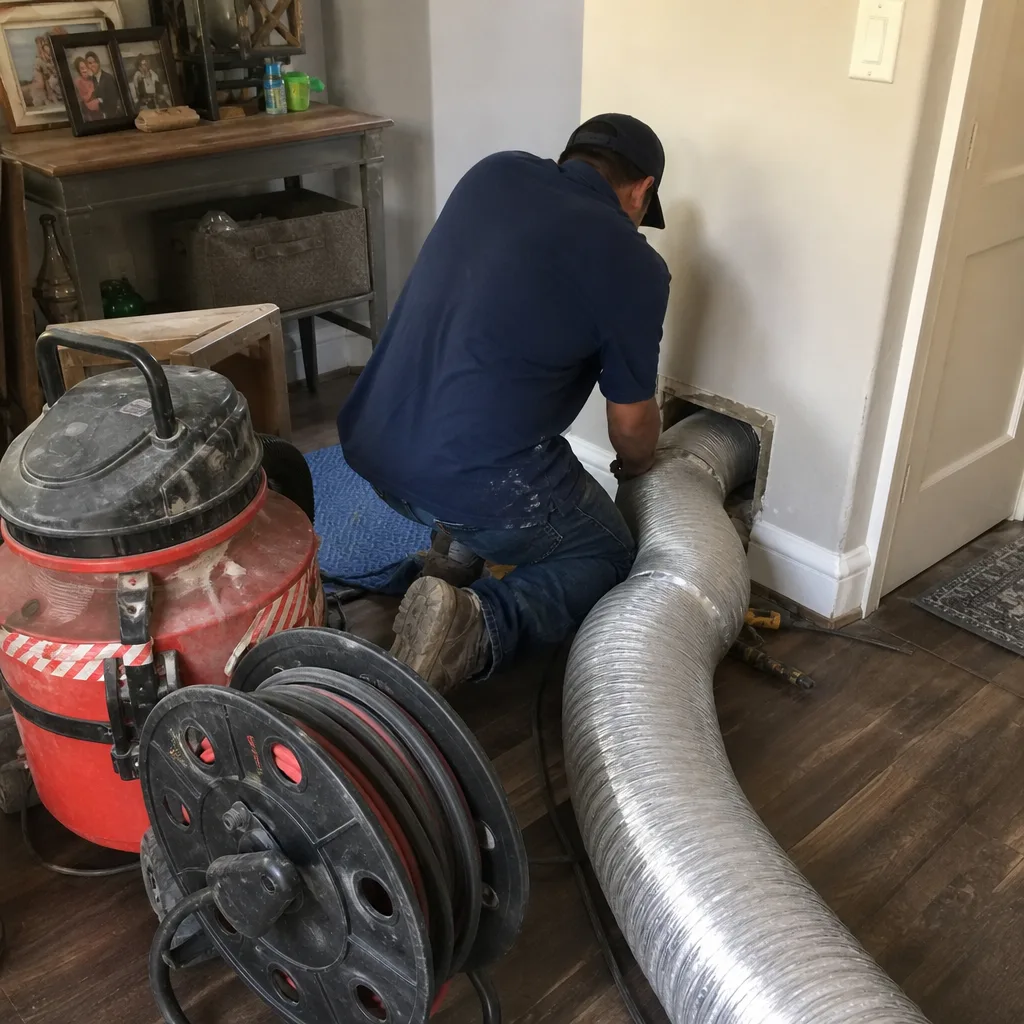 Before
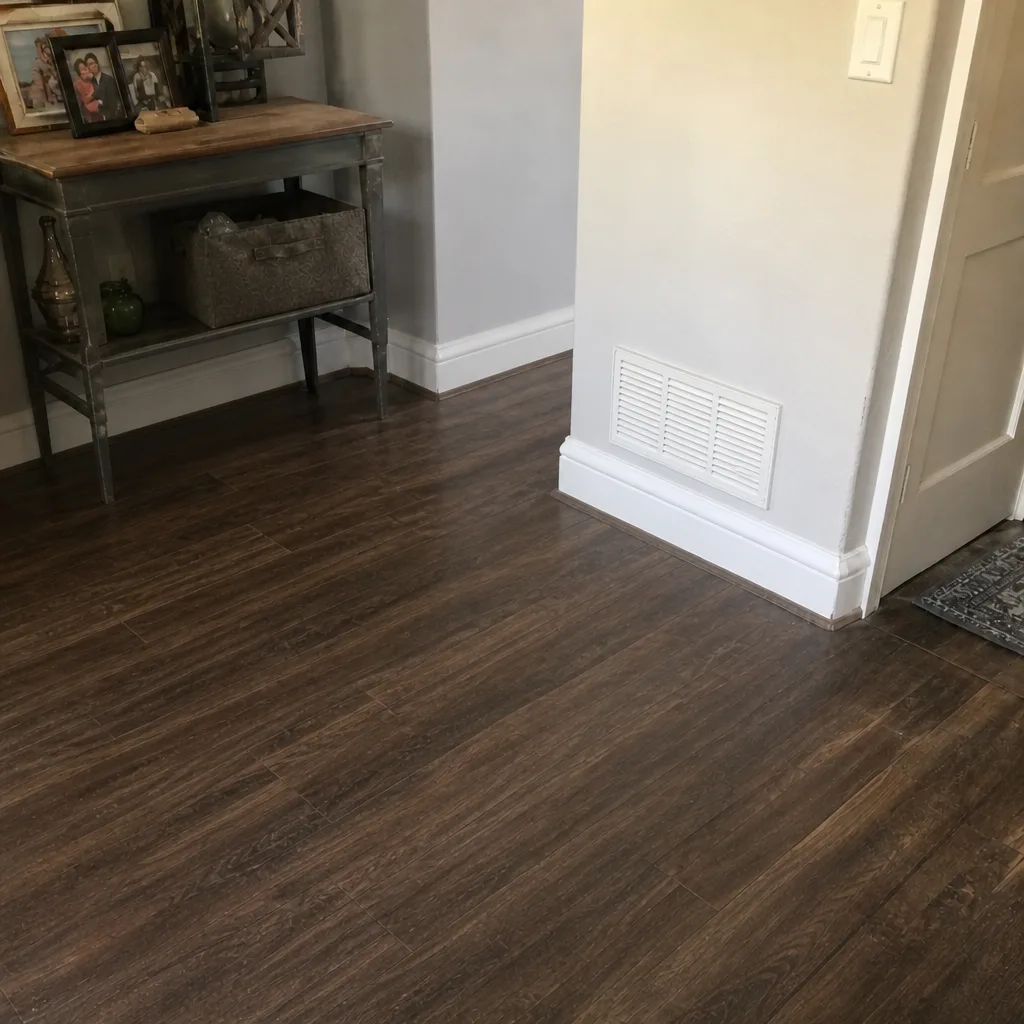 After