
Last updated November 15, 2026
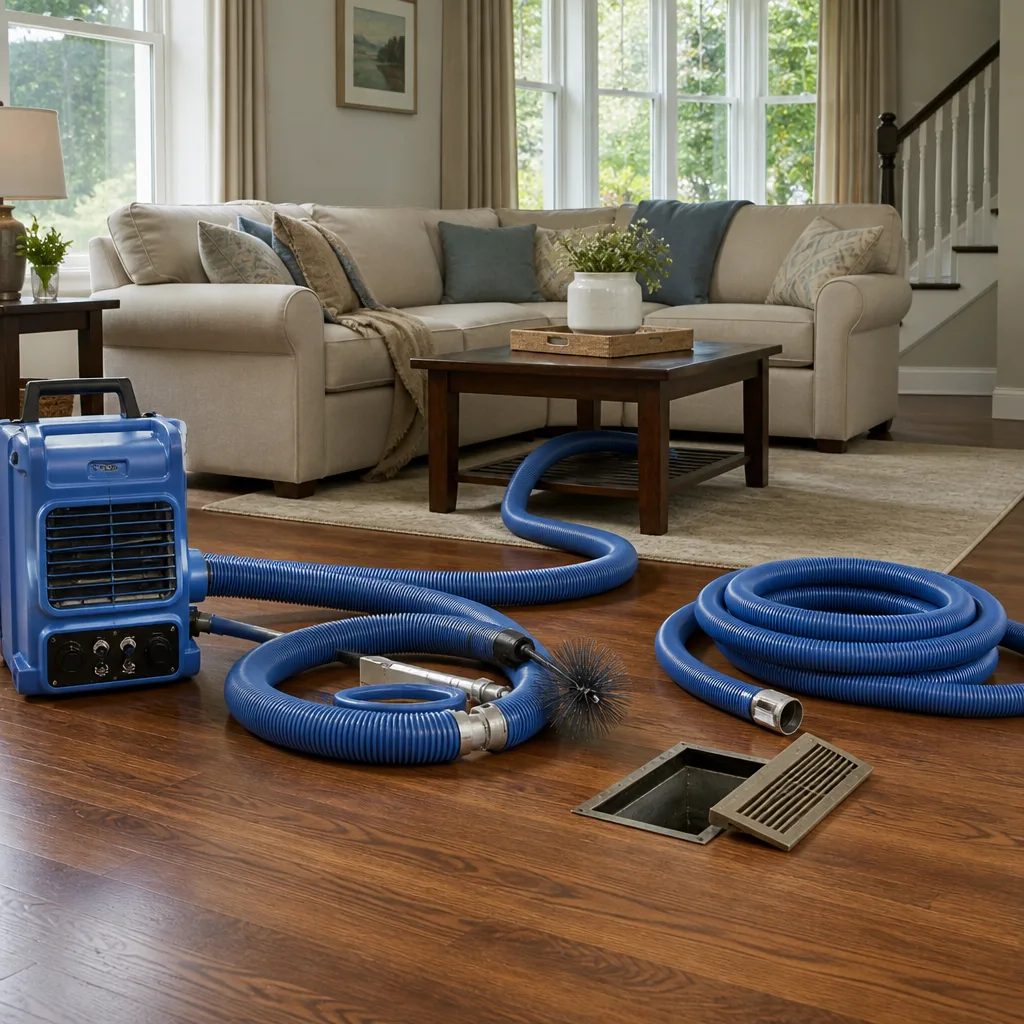 Whole-home duct cleaning
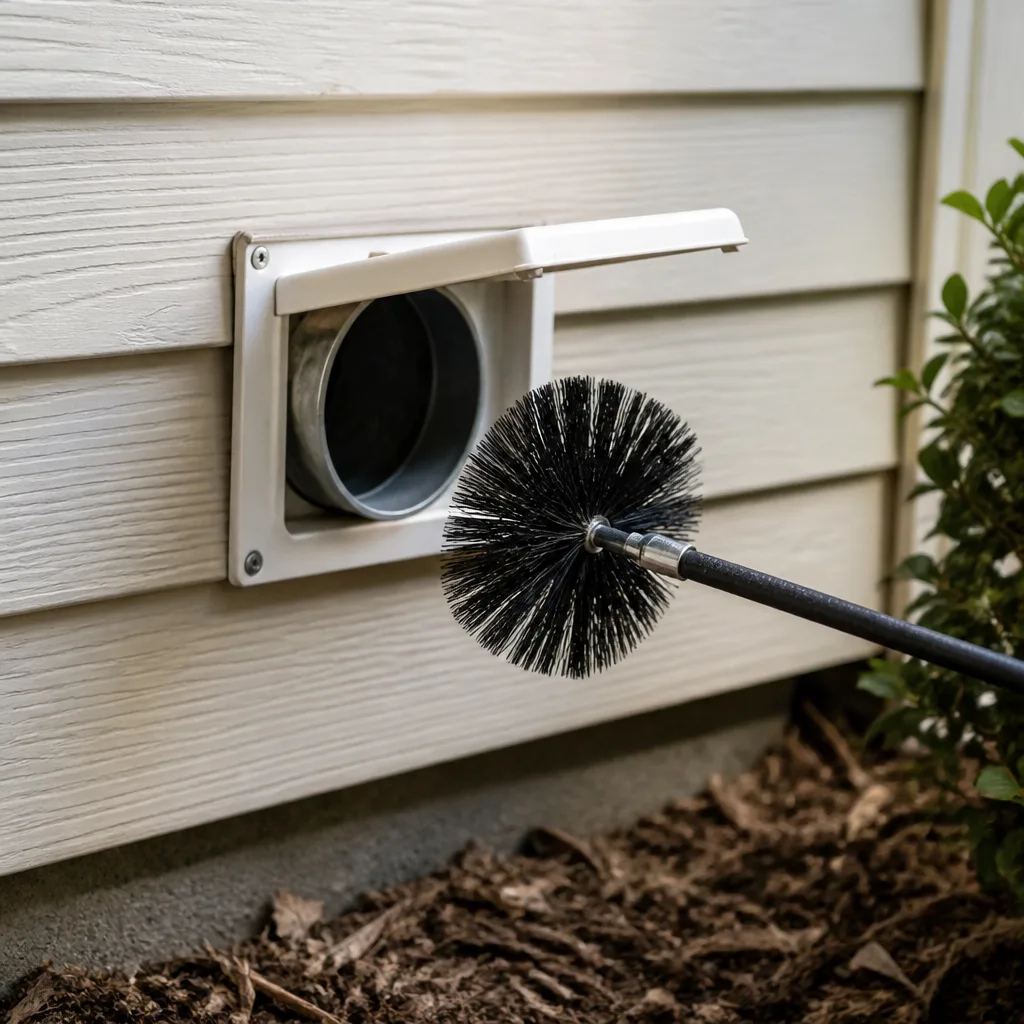 Dryer vent cleaning
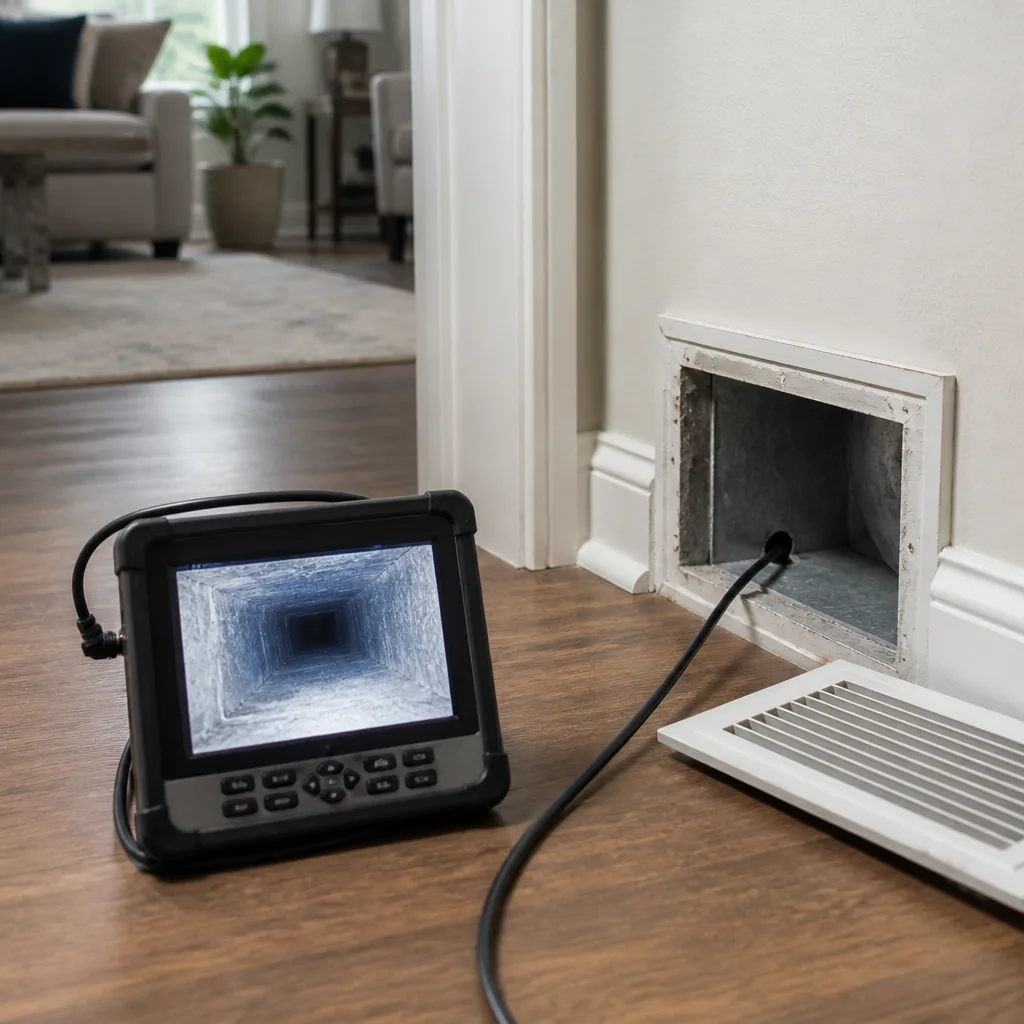 Camera inspection
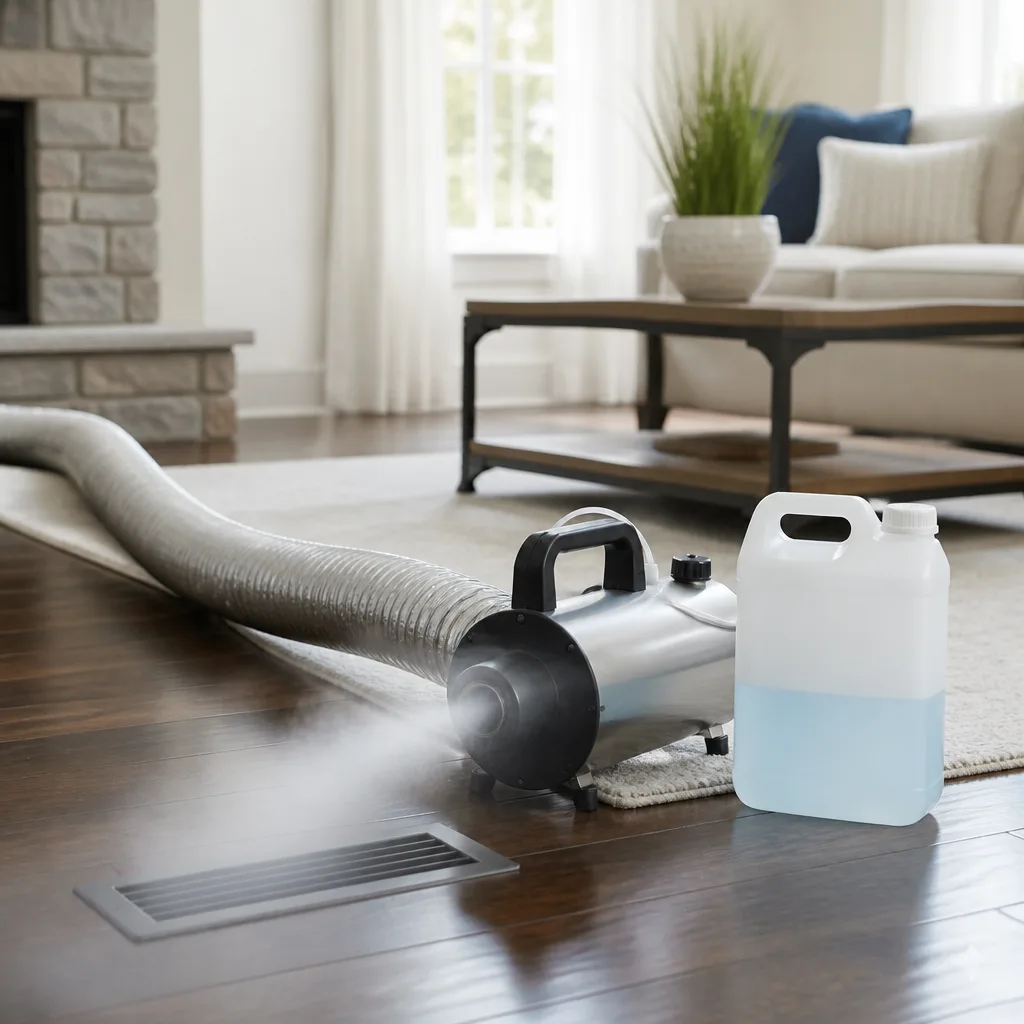 Sanitizing & deodorizing
Whole-system duct and dryer vent check with before-and-after photos - you see exactly what came out of your vents
That "$99 whole-house special" is a bait ad - the real number appears once they are in your hallway, or the "clean" is a shop-vac at the register. We photograph the inside of your ducts before and after instead.
Choosing the Right Air Duct Cleaning Brand: A Buyer’s Guide for Coral Springs
Most homeowners in Coral Springs start their search by comparing logo colors, truck wraps, and coupon mailers. That’s the wrong shelf to shop from. The brands that actually determine whether your ducts get clean are the ones printed on the equipment that rolls into your driveway: the vacuum unit, the rotary brush system, the HEPA collection stack. A contractor can have the most polished van in Broward County and still be running a setup a building engineer would laugh at. This guide explains what those equipment names mean, what credentials like NADCA membership actually require, and how to tell a verifiable professional from a polished one. You’ll finish with a checklist you can hold up against any quote you receive in Coral Springs.
Quick Answer
The right air duct cleaning brand in Coral Springs is the one whose equipment you can identify and verify – look for professional-grade systems like Rotobrush and Nikro, NADCA membership with source removal capability, EPA-registered antimicrobials when treatment is recommended, and written documentation including before-and-after photos. Brand loyalty matters less than equipment credibility and a documented scope of work.
Styles & brands we work with
- Whole-home duct cleaning
- Dryer vent cleaning
- Camera inspection
- Sanitizing & deodorizing
Table of Contents
- Why the Equipment Brands Matter More Than the Company Logo
- Rotobrush, Abatement Technologies, and Nikro: What Each One Signals
- What NADCA Membership Actually Requires
- Local Independent Contractor vs. National Franchise in Coral Springs
- EPA-Registered Antimicrobials: How to Verify What’s Being Applied
- The Documentation Standard: Photos, Scope, and Equipment Records
- Honeywell, Aprilaire, and Guardsman: Why Cross-System Knowledge Matters
- Cleaning vs. Repair: Which Contractors Can Do Both
Why the Equipment Brands Matter More Than the Company Logo
Air duct cleaning is a source-removal job. The whole point is to pull settled debris out of the duct interior and capture it so it doesn’t settle back into the living space or get pushed through the air handler. A shop vac and a length of flex hose cannot do that. A rotary brush system connected to a HEPA-filtered negative-pressure vacuum can. The difference isn’t subtle – it’s the difference between agitating dust and removing it.
When you ask a contractor what equipment they run, the answer should be a specific brand name, not “professional equipment” or “the latest technology.” Specificity is a credibility signal. Vagueness usually means consumer-grade gear.
Here’s what to listen for when a contractor describes their setup:
- A rotary brush system that contacts the duct walls, not just blows air through them
- A vacuum unit rated for negative pressure that keeps the duct under suction during cleaning
- HEPA filtration on the collection unit so captured particulate stays captured
- Containment at the register openings to prevent blowback into the room
- Able to clean the full run from the air handler through the trunk lines and branches
In Coral Springs, where most homes run the AC year-round and the air handler pulls humid outside air across a wet evaporator coil, dust and biological growth settle into duct interiors faster than they would in a drier climate. That makes proper source removal more consequential, not less. A surface wipe of the registers and a quick blast of compressed air doesn’t address the problem. It makes a photo look better.
For a full picture of how whole-system cleaning is scoped, see our page on air duct cleaning.
Rotobrush, Abatement Technologies, and Nikro: What Each One Signals
Rotobrush is the rotary brush platform most commonly recognized by HVAC engineers and commercial contractors as professional-grade for residential ductwork. It’s not the brand a coupon crew buys at a home improvement store; it’s the system specified in commercial and industrial duct cleaning work. When a contractor runs Rotobrush, the brush head contacts the duct walls, loosens the bonded debris, and the vacuum captures it in one pass. That’s source removal.
Nikro is a name HVAC professionals associate with high-efficiency particulate capture – the vacuum side of the equation. A rotary brush without adequate suction just redistributes dust. The Nikro systems used by serious contractors are rated to hold negative pressure inside the duct while the brush agitates, so the dislodged material travels toward the collection unit instead of into your rooms.
Abatement Technologies is a third signal, and it’s the one most homeowners haven’t heard of. The company builds indoor air quality and contaminant-capture equipment used in environments where containment standards are strict – healthcare, restoration, and industrial settings. When a residential contractor owns and operates Abatement equipment, it means the operation was built around contaminant control, not just surface-level debris removal.
What each signal tells you, in one place:
- Rotobrush on the invoice or in the truck – the contractor invests in commercial-grade rotary cleaning systems for residential work
- Nikro vacuum stack – the contractor has the suction capability to pair with the brush and capture what’s loosened
- Abatement Technologies equipment – containment and contaminant capture are part of the workflow, not an afterthought
- All three together – the contractor operates as a whole-system specialist, not a vent cleaner
Harborview Air Duct Cleaning runs all three. We mention it not to sell a logo but because the equipment is the credible part of the conversation. If a local contractor in Coral Springs can’t tell you what they run, that silence is information you can use.
What NADCA Membership Actually Requires
NADCA (the National Air Duct Cleaners Association) is the trade body that sets the standards most serious contractors operate to. The association publishes the ACR standard – Assessment, Cleaning, and Restoration of HVAC Systems – which is the reference point engineers and building managers use when they specify duct cleaning work. NADCA membership is meaningful, but only if you know what it actually demands.
Membership requires the contractor to operate professional-grade equipment capable of source removal, not just register cleaning. It requires trained technicians who understand HVAC system components, airflow, and contaminant control. It also requires adherence to the ACR standard’s documentation and reporting expectations, which include before-and-after verification of the interior ductwork – not just confirmation that a hose was inserted.
When vetting a Coral Springs contractor, ask:
- Are you a NADCA member in good standing?
- Which NADCA standard do you work to on a residential job?
- What training do your technicians have on source removal?
- Can you provide the written scope of work before cleaning?
- Will before-and-after photos of the duct interior be included in the report?
NADCA membership isn’t the only credential that matters – plenty of competent contractors exist outside the association. But it’s a filter. It eliminates the operators who never made the investment. And note: NADCA membership is not the same as a license. Licensing in Florida is a separate matter, and a credible contractor will confirm both.
Local Independent Contractor vs. National Franchise in Coral Springs
National franchises standardize well. Their processes, reporting templates, and pricing structures are built to be consistent coast to coast. That consistency is genuinely useful when you’re dealing with a well-run franchise. The trade-off is that a franchise location in Coral Springs operates to a corporate script that may not match the reality of South Florida’s HVAC challenges – long cooling seasons, high humidity, and the specific equipment configurations common in Coral Springs housing.
A local independent contractor who works predominantly in Coral Springs and the surrounding area has usually seen more of the local housing stock than a franchise crew rotating through. That matters when the job requires diagnosing a duct repair instead of just cleaning around the problem. Franchises are built around cleaning; repairs often get subcontracted or deferred.
Where each type has the advantage:
- Franchise strengths – consistent pricing, templated reporting, recognizable brand, corporate insurance backbone
- Local strengths – specific knowledge of the local housing stock, ability to diagnose and repair on the same visit, direct accountability
- Franchise risks – scripted upsells, standardized treatment recommendations that may not fit South Florida air quality conditions, rotating crews
- Local risks – varying equipment investments, less standardized processes, more variable reporting quality
The right answer isn’t “franchise bad, local good.” It’s “verify equipment and scope regardless of who’s on the phone.” A well-equipped local contractor who can repair what they clean is a stronger choice than a franchise that only cleans – as long as the local contractor can back up the equipment and documentation claims with specifics. For a fuller sense of how we operate across the area, see our page for Lauderhill.
EPA-Registered Antimicrobials: How to Verify What’s Being Applied
If a contractor recommends antimicrobial treatment after cleaning, the products applied must carry EPA registration. That’s not a marketing detail, it’s a legal one. Products applied inside a residential HVAC system fall under EPA oversight, and a registered product carries a label specifying approved surface types, application methods, and contact times. An unregistered substitute or a misapplied product can void HVAC warranties, create health concerns, or both.
The verification path is straightforward:
- Ask which EPA-registered product they’ll apply, by brand name and EPA registration number
- Confirm the label permits application to HVAC duct surfaces, not just to open floors
- Ask whether the product requires dwell time before the system can run again
- Confirm whether the product is intended for the specific contaminant identified during inspection (mold, bacteria, or general dust)
- Request the product name in writing on the written scope before work begins
Be cautious of contractors who recommend antimicrobial treatment before they’ve inspected the interior of the ducts. Treatment is a targeted intervention, not a standard add-on. In Coral Springs homes where the air handler is damp and the cooling season runs long, biological growth is more common than in drier markets – but that’s a reason to inspect first, treat second, not to treat every home on every visit.
Guardsman-line products, which we keep in our toolkit, fit into a finish-and-protect philosophy: the job isn’t finished when the debris is gone, it’s finished when the system is sealed and protected. That doesn’t mean every home needs every product. It means when we do recommend treatment, the products and the paperwork line up.
The Documentation Standard: Photos, Scope, and Equipment Records
The single most useful sentence in any duct cleaning conversation is “will you show me photos of the inside of the ducts, before and after?” Contractors who clean to a verifiable standard have no problem answering this. Contractors who don’t will change the subject or explain that photos don’t “prove anything.”
A credible post-service report includes:
- Interior before-and-after photography of the duct runs, not just the registers
- Written scope confirmation documenting which duct runs were cleaned, which were inaccessible, and why
- Equipment identification – the make and model of the primary vacuum and cleaning systems used
- Any defects found during cleaning, such as disconnected joints, crushed flex runs, or compromised transitions
- Antimicrobial product details if treatment was applied, including the EPA registration number
- Dryer vent condition notes if that service was included, since dryer vent safety is a separate matter from duct cleanliness
Harborview does before-and-after photography on every job as standard practice – not as an upsell, part of the deliverable. Photos of your own ducts, from your own home. If you can’t see them, assume they weren’t taken.
One more note on documentation: ask for the written estimate before any work starts. The final price should match the written estimate, and the scope should match what actually gets cleaned. If the technician arrives and suddenly discovers “problems” that require a larger invoice, ask to see the photos of those problems before authorizing anything. Legitimate discoveries happen – a disconnected duct joint is a common one – but they should be photographed and explained, not announced as a billing event.
Honeywell, Aprilaire, and Guardsman: Why Cross-System Knowledge Matters
Clean ducts interact with the rest of the HVAC system. In a Coral Springs home that runs a Honeywell filtration setup or an Aprilaire humidity control system, the interaction is more consequential than it would be in a drier climate – because indoor humidity in South Florida is a genuine factor in whether ducts stay clean after they’re cleaned. A duct cleaner who doesn’t understand how clean ducts interface with a whole-home filter or a humidity control system may inadvertently damage or misalign a component, or recommend treatment that conflicts with the filtration strategy already in place.
Honeywell makes programmable thermostats, filtration systems, and humidification equipment common in Coral Springs homes. Aprilaire specializes in whole-home humidification, dehumidification, and filtration – the humidity side matters a lot in a market where the AC struggles to pull moisture out of the air. Guardsman provides protective coatings and finish products that sit at the end of the cleaning process. A contractor experienced with all three can coordinate the job with the existing system rather than working around it.
The practical test: when you’re getting quotes, ask whether the contractor is familiar with the filtration and humidity equipment on your system. If they don’t recognize the brand names on your air handler, they probably don’t know how to avoid damaging them.
Cleaning vs. Repair: Which Contractors Can Do Both
Air duct cleaning is often half the job. Ducts get crushed during renovations, transitions work loose at the air handler, flex runs sag and tear, and joints that were sealed when the house was built fail over years of thermal cycling. A contractor who can only clean has to clean around these problems – or recommend them for someone else to fix. A contractor who cleans and repairs can resolve them on the same visit.
Ask the question directly: “if you find a disconnected joint or a crushed duct run, can you repair it during the same visit?” If the answer is “no, we’d have to refer that,” the cleaning is only going to be as good as the ductwork it can reach. And in a Coral Springs home where the air handler is in the garage or attic, inaccessible duct runs are a common discovery.
The full ductwork care scope on a credible contractor’s menu includes:
- Air duct cleaning with source removal
- Dryer vent cleaning (a distinct fire-safety service, not a duct cleaning add-on)
- Air duct repair, including reconnection, resealing, and replacement of compromised runs
- Post-repair verification with before-and-after documentation
We repair what others just clean around. That’s not a slogan – it’s a scope decision. Dryer vent cleaning is its own safety-critical service, and you can read more about it on our dryer vent cleaning page.
Common Mistakes to Avoid
- Choosing on coupon price alone. Coral Springs mailboxes fill with $49 and $79 “whole home special” flyers. Those numbers cover registers only, or set up a same-visit upsell to a much larger invoice. A written estimate for the actual scope is the only comparison that matters.
- Skipping the equipment question. If a contractor can’t name their vacuum and rotary brush systems, they’re likely running consumer-grade gear. Ask specifically about Rotobrush, Nikro, or Abatement Technologies equipment – not “do you use professional equipment,” which any contractor will just say yes to.
- Assuming “licensed” means “verified.” In Florida, licensing for this trade is a specific matter. Ask for the license class and check it, and ask separately about insurance and bonding. A logo on a truck isn’t verification.
- Accepting antimicrobial treatment without asking about the product. If treatment is recommended, ask for the EPA registration number and the product label. An unregistered substitute is a legal problem, not just a quality problem.
- Skipping the documentation request. Before-and-after photos of your own duct interiors should be part of the job, not a special request. Ask up front. If they can’t commit to photos before work begins, they won’t produce them after.
- Ignoring the dryer vent. Dryer vents get scoped as a “duct cleaning” add-on by some contractors, but they’re a separate fire-safety service with different risks and different equipment needs. Confirm the contractor treats it as its own job.
- Booking on price alone without a written estimate. The written estimate sets the price. If you schedule without one in hand, you’re scheduling without a committed number.
See the difference
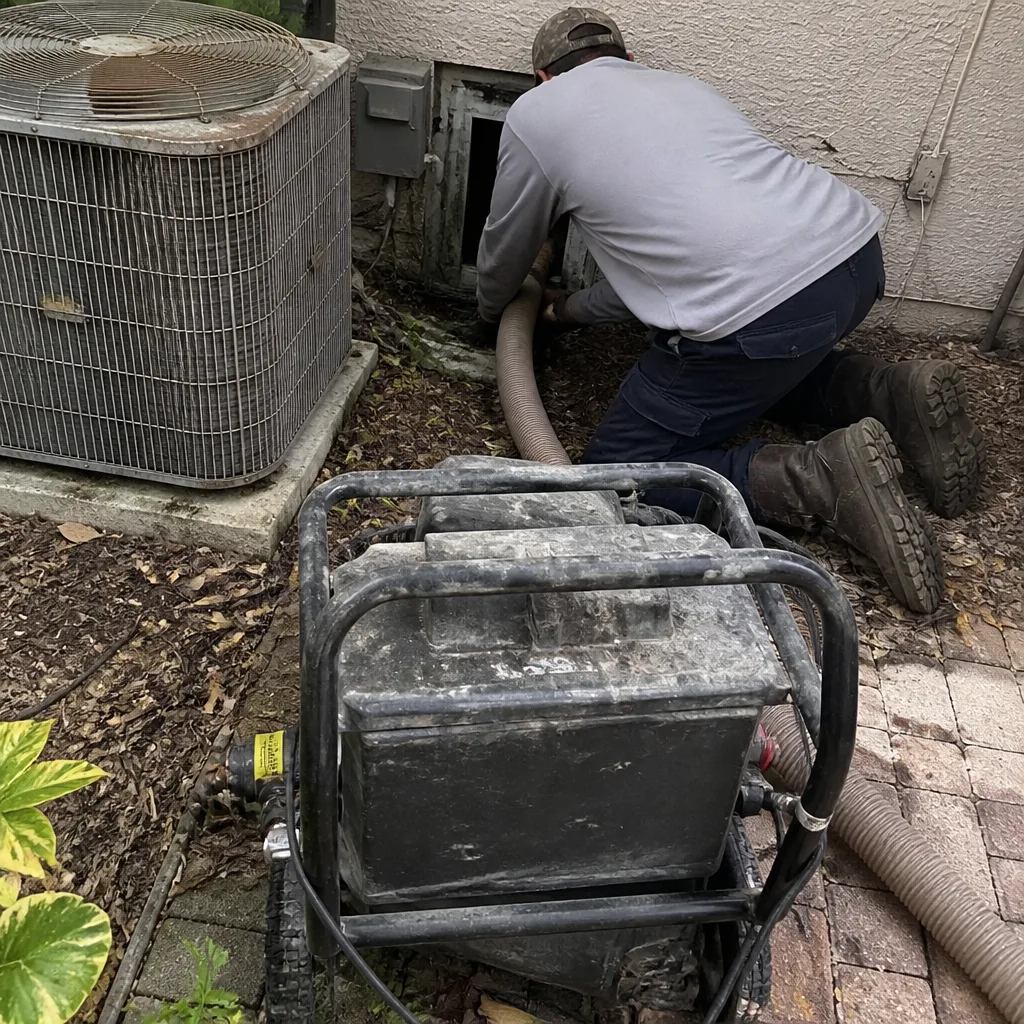 Before
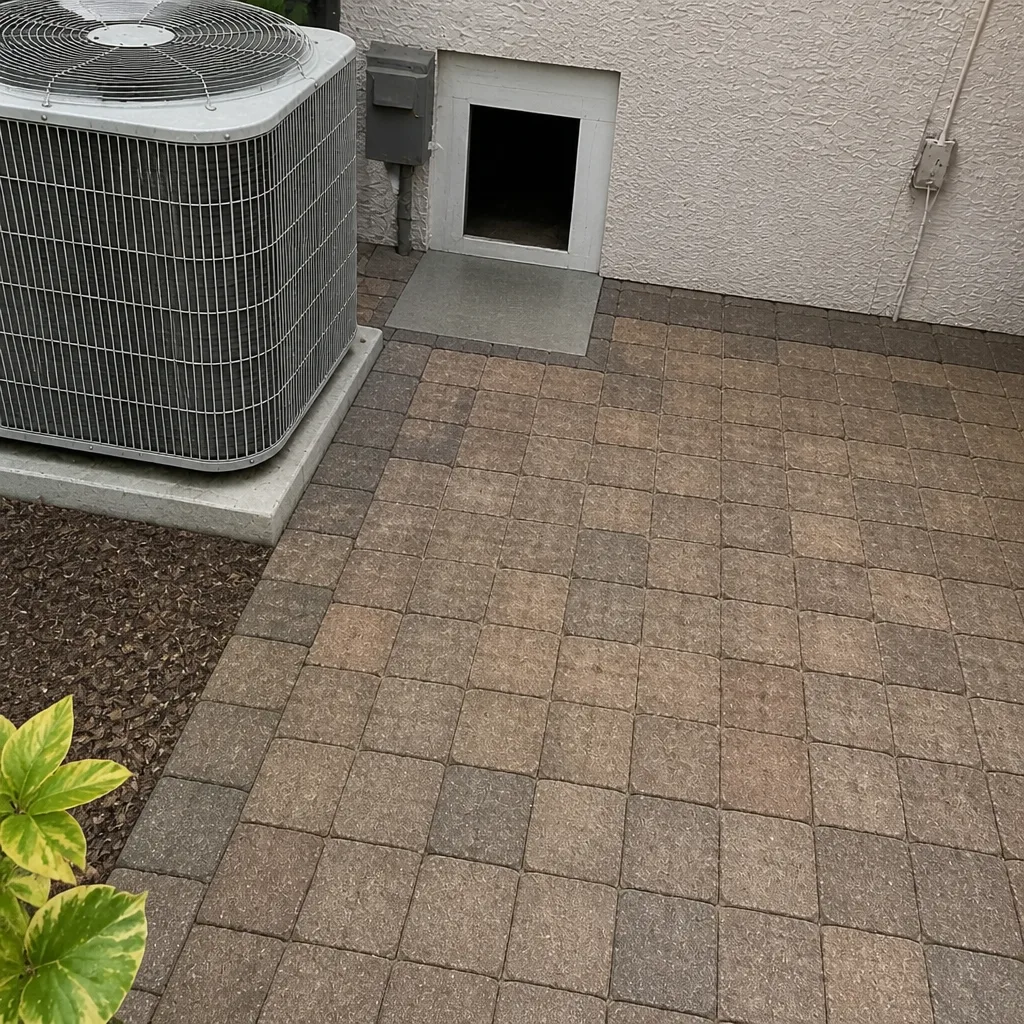 After
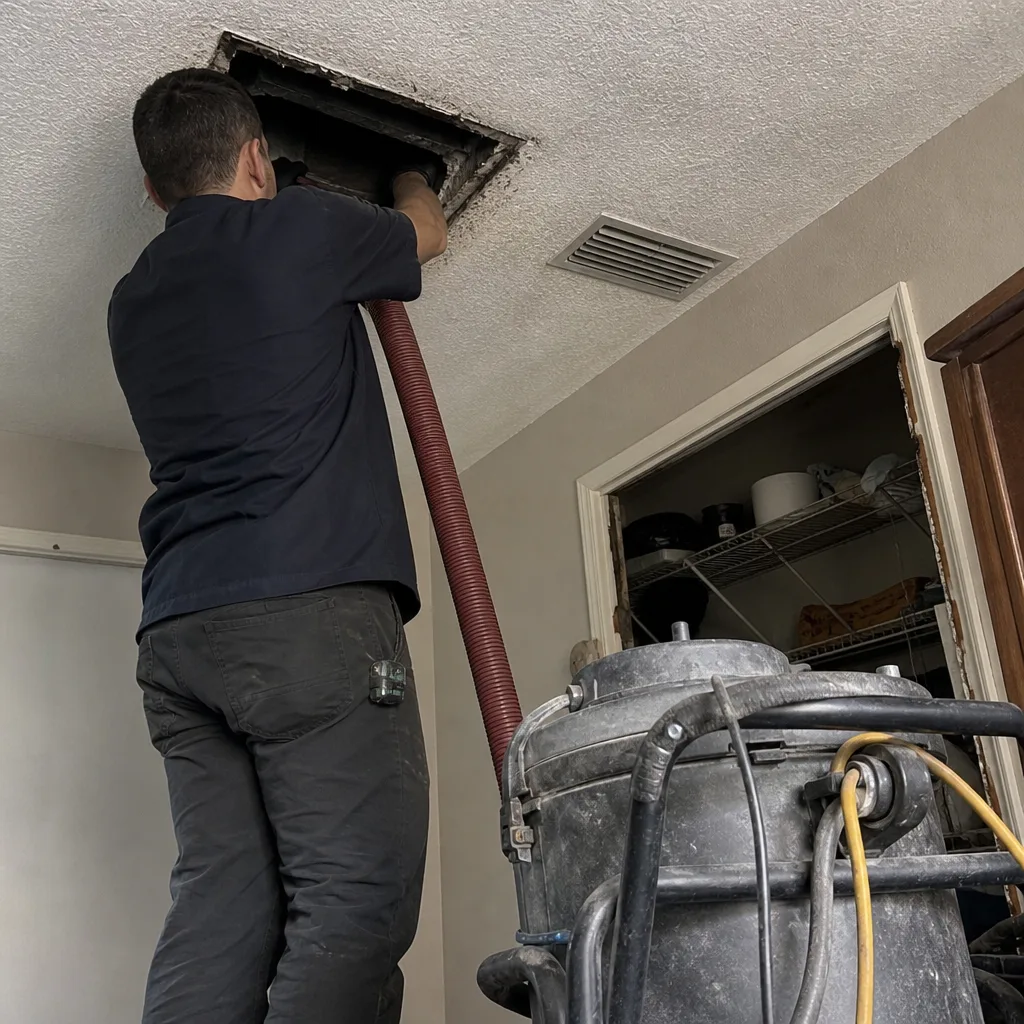 Before
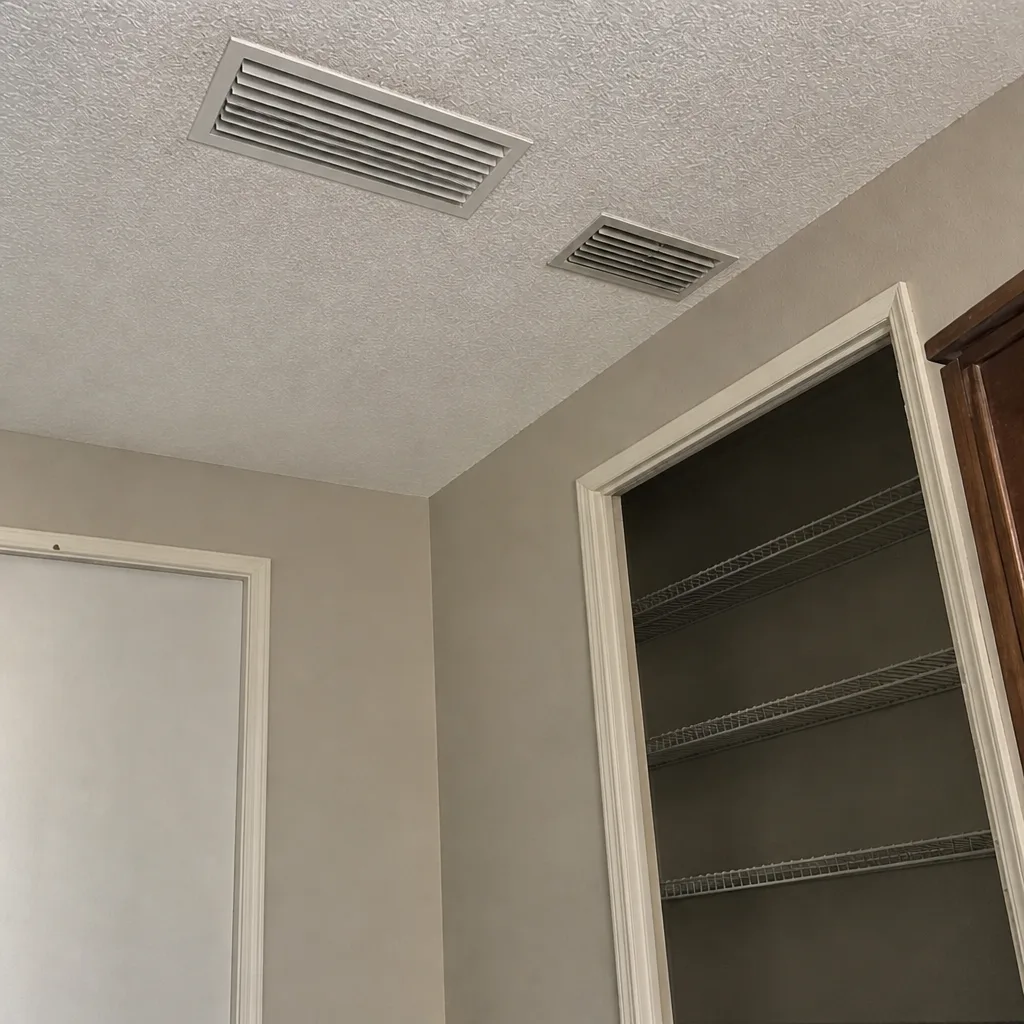 After
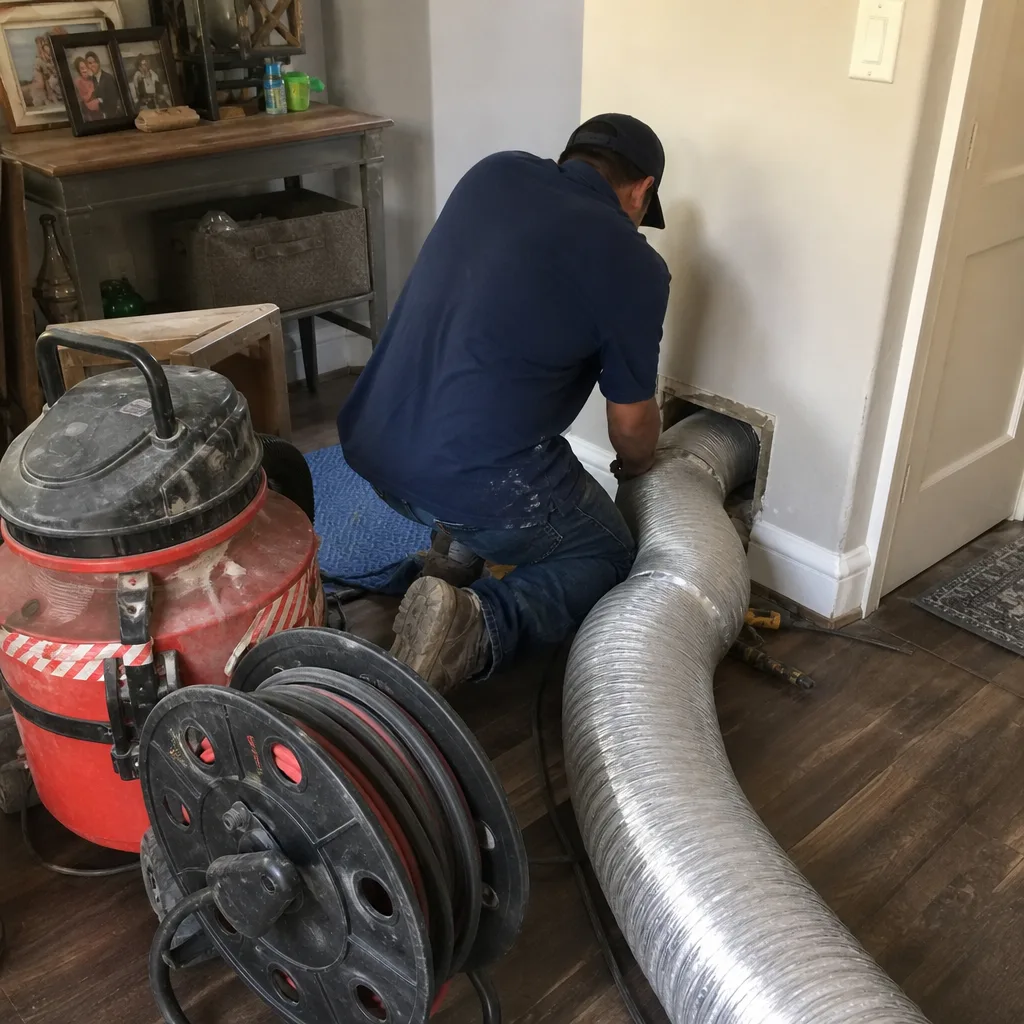 Before
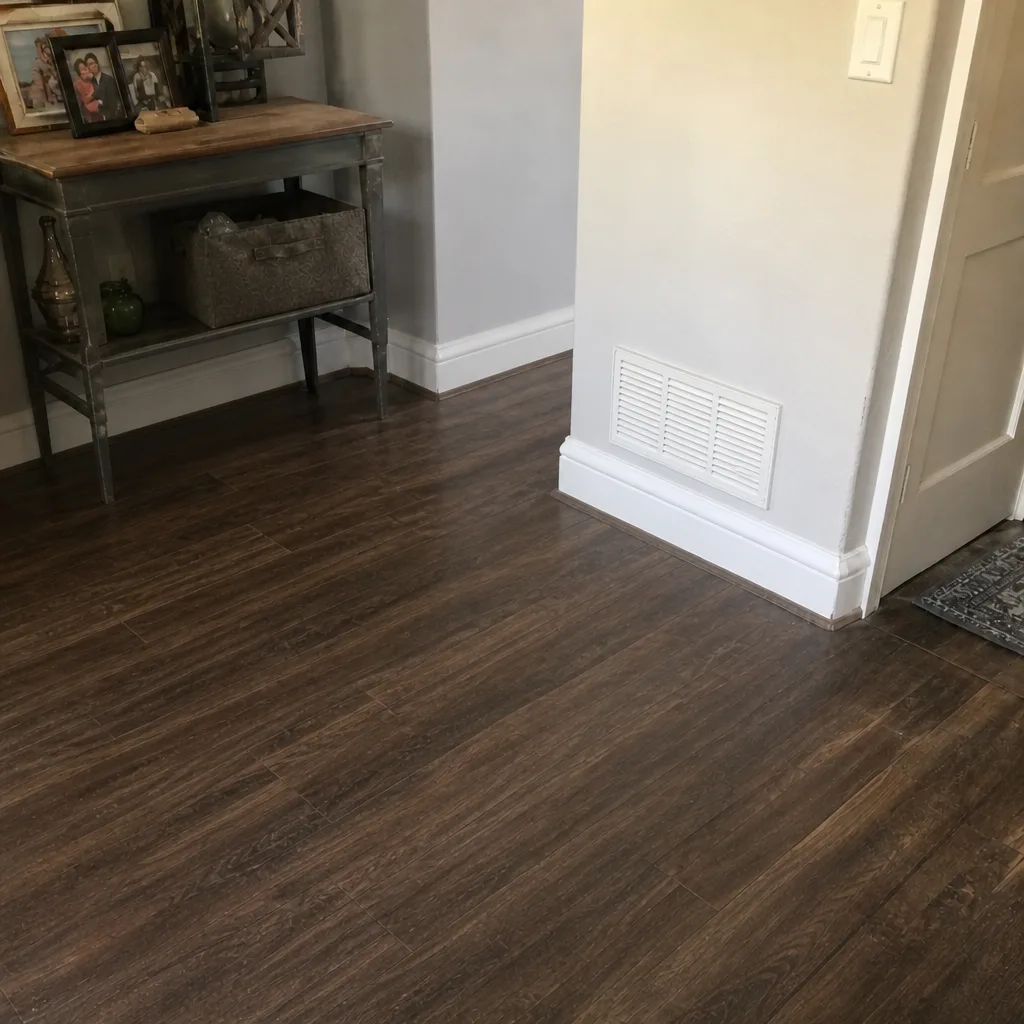 After
When to Call a Professional
If you’re noticing visible dust settling on surfaces within a few days of cleaning, a musty smell when the system starts, or rising energy bills without a clear cause, ductwork is worth investigating. Recent renovation work is another common trigger – drywall dust and construction debris travel deep into duct runs and don’t clear with registers alone. If someone in the household is experiencing recurring respiratory irritation that clears when they’re away from home, that’s a conversation to have with a medical professional first, and a duct inspection second. And if you’ve never had the ducts inspected in a home you’ve recently purchased in Coral Springs, a baseline inspection gives you a starting point and a record for future comparison. Harborview Air Duct Cleaning offers free estimates in Coral Springs – call (844) 761-5395 to schedule one.
Frequently Asked Questions
The single most important verification is whether the contractor operates professional-grade source-removal equipment – specifically, whether they can name the vacuum and rotary brush systems they use, and whether the equipment is rated for HEPA-level particulate capture. NADCA membership is a strong secondary signal, but it’s only meaningful if the contractor actually runs commercial-grade gear. Ask specifically about Rotobrush, Nikro, or Abatement Technologies equipment; a vague answer is your cue to move on. Call (844) 761-5395 for an exact quote – estimates are free.
Franchises tend to standardize pricing and reporting, which provides consistency; local independents are more likely to have specific knowledge of Coral Springs housing stock and to be able to repair ductwork on the same visit as the cleaning. Choose based on verified equipment and scope, not on branding. A well-equipped local contractor who cleans and repairs is often a stronger fit than a franchise that only cleans. Ask both types the same questions and compare answers. Call (844) 761-5395 for an exact quote – estimates are free.
A credible report includes interior before-and-after photography of the actual duct runs (not just registers), written scope confirmation of which runs were cleaned and which were inaccessible, and the make and model of the primary equipment used. If antimicrobial treatment was applied, the report should list the EPA registration number of the product. If any duct defects were found during cleaning, those should be documented with photos. If a contractor can’t commit to this level of documentation, they’re not operating to a verifiable standard. Call (844) 761-5395 for an exact quote – estimates are free.
EPA registration means the product has been reviewed and approved for the specific surfaces it’s intended to treat, and the label specifies approved application methods and contact times. An unregistered substitute applied inside a residential HVAC system can void equipment warranties and create health concerns. Ask for the product name and EPA registration number in writing before treatment is applied – and be wary of any contractor who recommends treatment before inspecting the duct interiors. Call (844) 761-5395 for an exact quote – estimates are free.
Yes – if your home has a whole-home filtration or humidity control system, the duct cleaning has to work with it, not around it. A contractor who doesn’t recognize the brands on your air handler may inadvertently damage or misalign components, or recommend treatment that conflicts with the filtration strategy already in place. Experienced contractors are familiar with Honeywell, Aprilaire, and Guardsman products. Call (844) 761-5395 for an exact quote – estimates are free.
A whole-system specialist can do both on the same visit – disconnection, crushed duct runs, and compromised transitions are common findings during cleaning, and repairing them on-site means the cleaning job is actually complete when the crew leaves. If the contractor can only clean, the ductwork defects remain, and the cleaning is only as good as the ductwork it could reach. Ask the question directly when you’re getting quotes. Call (844) 761-5395 for an exact quote – estimates are free.
The Bottom Line
The right air duct cleaning brand in Coral Springs is the one you can verify on the equipment, not the one on the truck wrap. Look for professional-grade systems – Rotobrush, Nikro, and Abatement Technologies if the contractor runs them – NADCA membership as a secondary check, EPA-registered antimicrobials when treatment is recommended, and a documentation standard that includes before-and-after photos of your own duct interiors. Local independents who clean and repair offer a scope advantage over franchises that only clean, provided the equipment and documentation claims hold up. Anchor your decision in the specifications, the written estimate, and the documentation – not the coupon.
Harborview Air Duct Cleaning connects Coral Springs homeowners with independent local professionals who work to that equipment and documentation standard. Our technicians have up to 10 years of experience. If you’re ready for a free estimate, call Harborview Air Duct Cleaning at (844) 761-5395. We answer 24/7. Fast dispatch from 7am to 7pm, Sunday through Friday.
Written by the team at Harborview Air Duct Cleaning.