
Last updated November 15, 2026
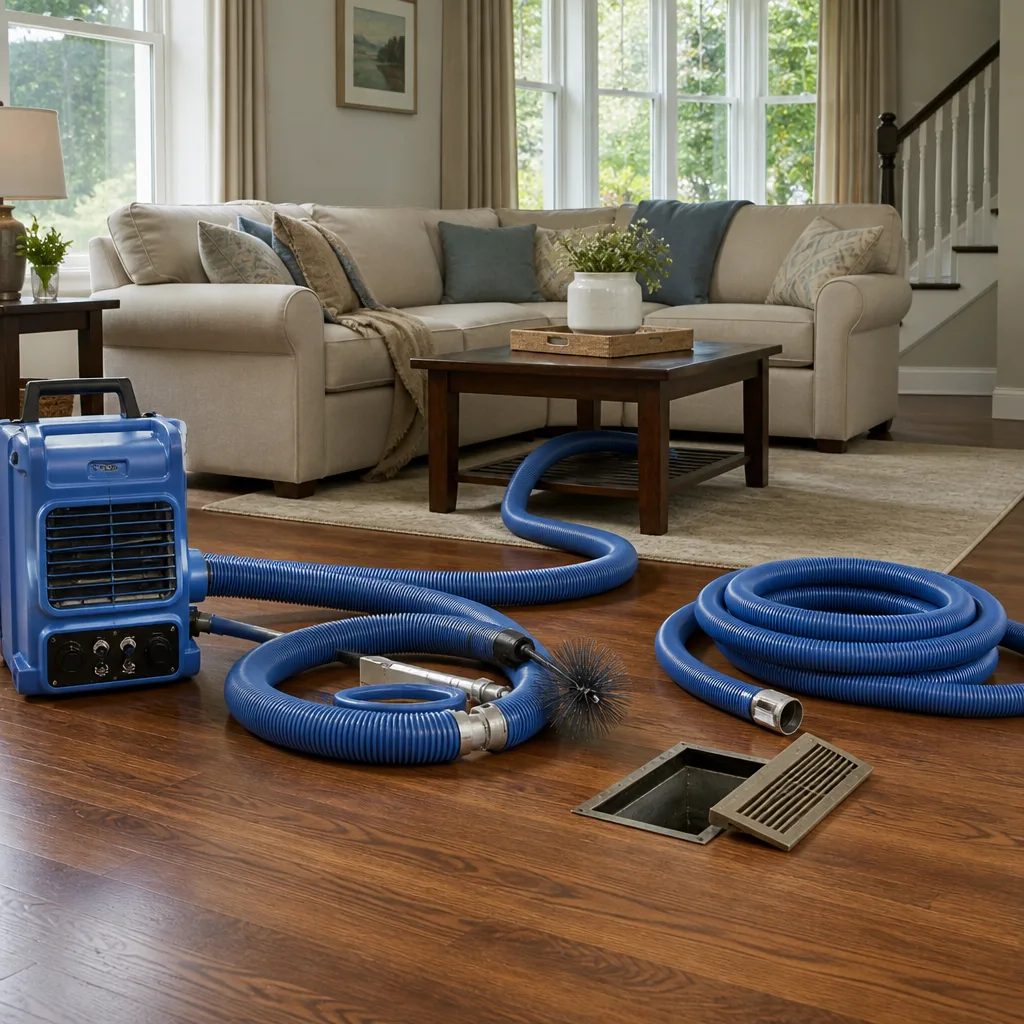 Whole-home duct cleaning
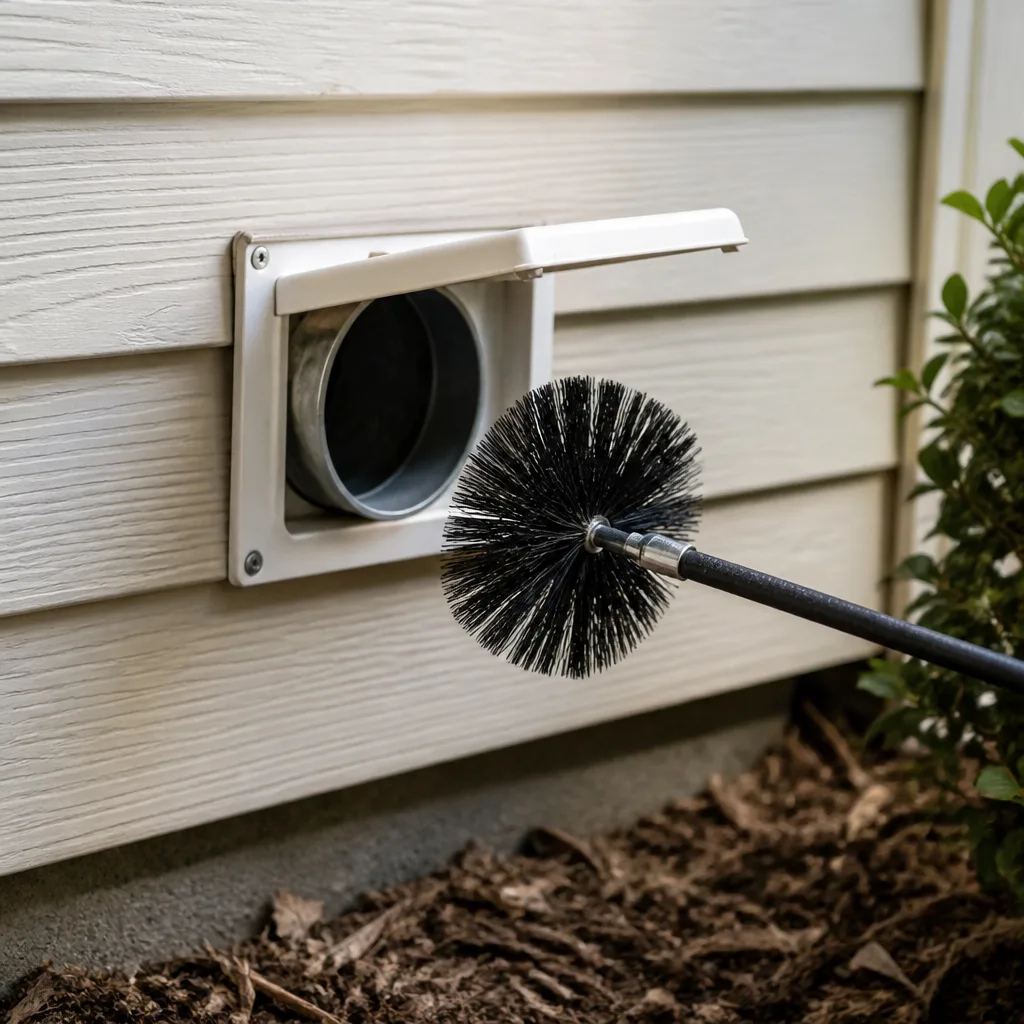 Dryer vent cleaning
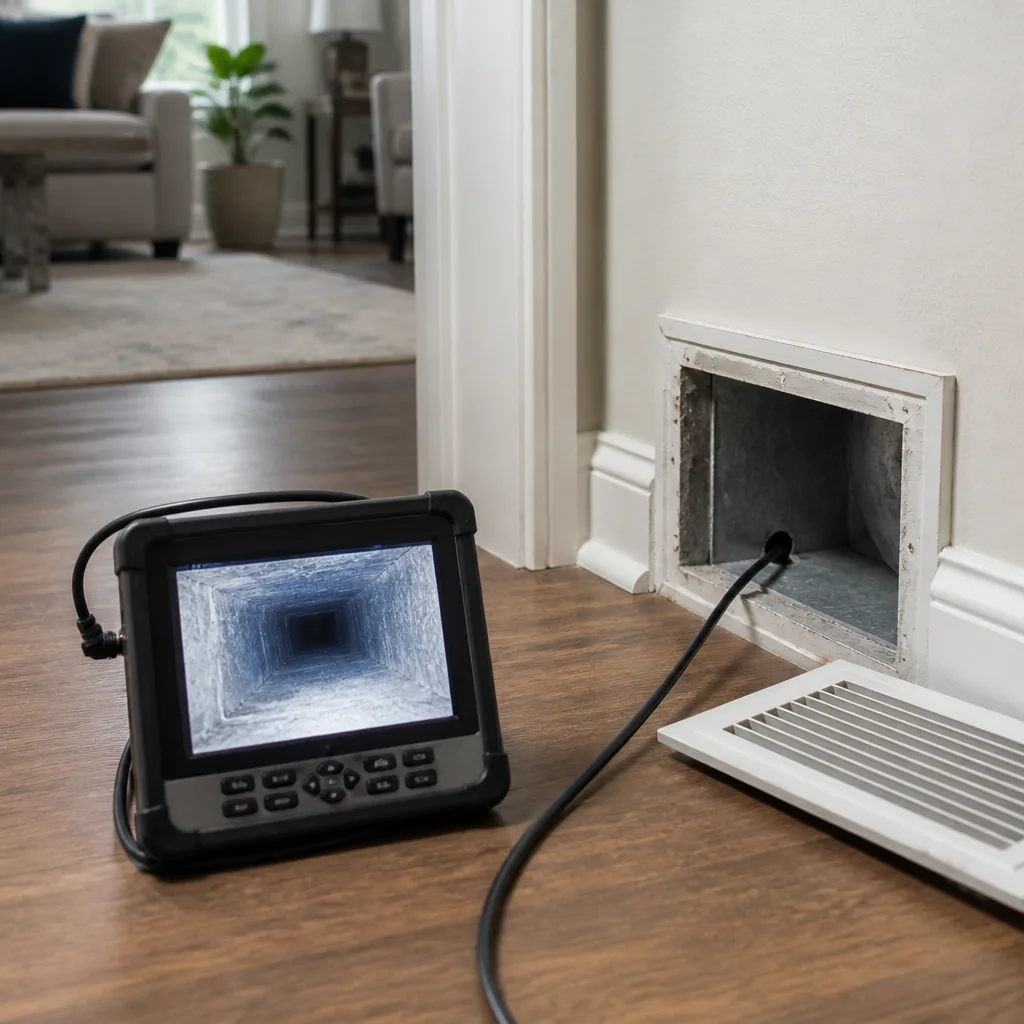 Camera inspection
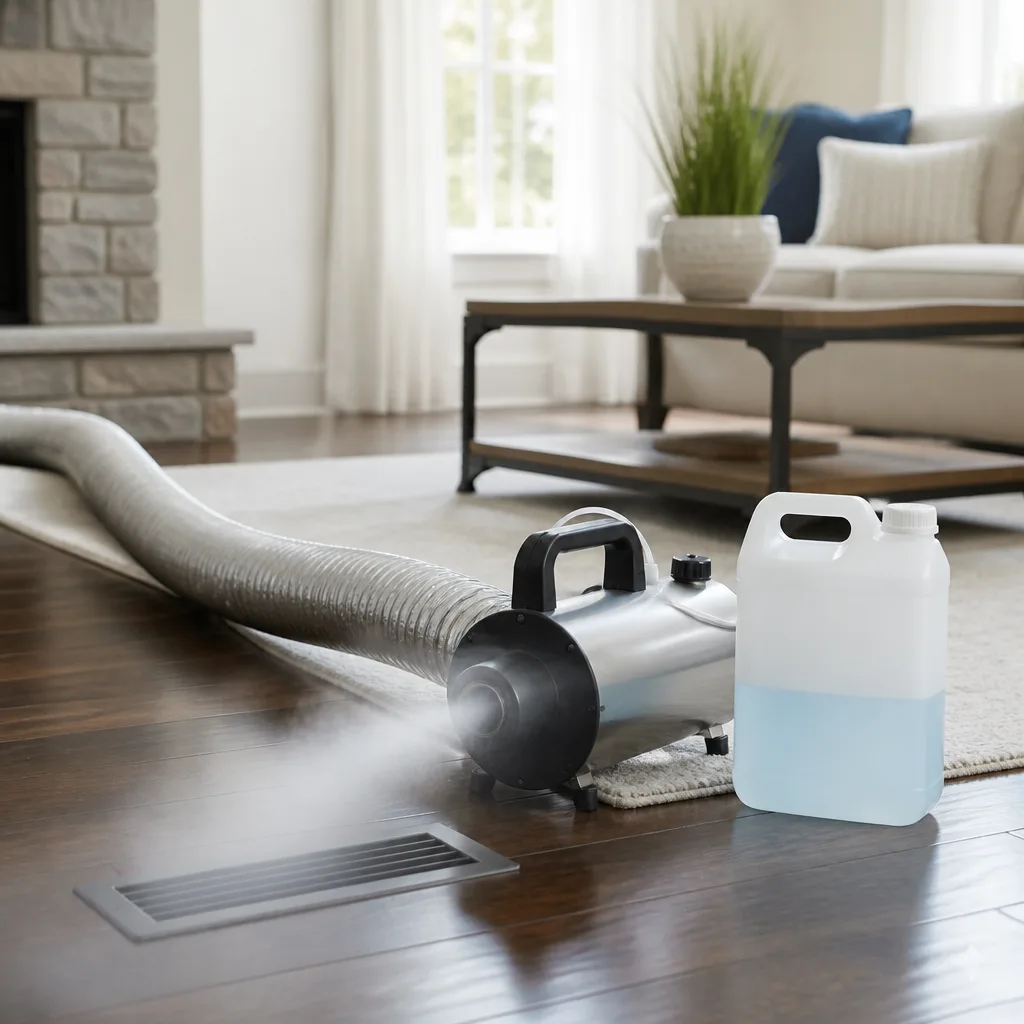 Sanitizing & deodorizing
Whole-system duct and dryer vent check with before-and-after photos - you see exactly what came out of your vents
That "$99 whole-house special" is a bait ad - the real number appears once they are in your hallway, or the "clean" is a shop-vac at the register. We photograph the inside of your ducts before and after instead.
Air Duct Cleaning Troubleshooting in Coral Springs: Common Problems and How to Fix Them
If your vents are blowing weak air after a cleaning, the ducts probably weren’t the problem to begin with – and a second cleaning won’t fix it either. That’s the counterintuitive reality we run into across Coral Springs: homeowners pay for a duct cleaning to solve a symptom that was never coming from dirty ducts. A failing blower, a fouled evaporator coil, an oversized filter, or a leaking trunk line can all mimic the exact signs of duct contamination. This guide teaches you to read your HVAC system the way a technician does, so you diagnose the real fault before you spend a dollar on the wrong fix. You’ll learn the at-home checks that separate duct problems from mechanical ones, what a musty smell after cleaning actually means, and why South Florida humidity changes everything about how ducts behave. Mention Coral Springs once and we mean the whole city – from the older ranch homes near the center to the newer builds out west.
Quick Answer
Most “duct problems” in Coral Springs trace back to three causes that have nothing to do with dirt: restricted airflow from a clogged filter or failing blower, duct leakage that throws off room-by-room pressure, or humidity-driven condensation inside an under-insulated duct run. A genuine duct cleaning fixes contamination – dust, debris, microbial growth, renovation residue – but it cannot fix a mechanical fault or a leaking duct joint. Troubleshoot the mechanical system first, confirm whether the issue is dirt or airflow, then call the right professional for the actual cause.
Styles & brands we work with
- Whole-home duct cleaning
- Dryer vent cleaning
- Camera inspection
- Sanitizing & deodorizing
Table of Contents
- Is It Dirt or Is It Airflow? A Diagnostic Starting Point
- At-Home Checks That Separate Duct Problems From Blower, Coil, and Filter Issues
- What a Musty Smell After Cleaning Actually Means
- Why Coral Springs Humidity Causes Post-Cleaning Condensation
- Static Pressure Signs That Mean Duct Leakage, Not Dirt
- Air Duct Cleaning vs. an HVAC Mechanical Contractor: Who to Call
- Post-Renovation Dust in Coral Springs Homes
- When the Fix Is Duct Repair, Not Another Cleaning
Is It Dirt or Is It Airflow? A Diagnostic Starting Point
Every duct complaint falls into one of two buckets: contamination or airflow restriction. They produce different symptoms, and confusing them is the single most expensive mistake in this trade. Contamination means the ducts themselves are dirty – visible dust at the registers, dark streaks around the grilles, a musty odor, or visible debris inside the boot when you remove a vent cover. Airflow restriction means the system can’t move the volume of air it was designed for, whether or not the ducts are dirty. A cleaning fixes the first. It does nothing for the second.
Here in Coral Springs, the distinction matters because so many homes run their systems hard through the long cooling season. A system that never gets a break puts more hours on the blower motor and cycles the coil constantly, which accelerates the wear that causes airflow faults. When a homeowner calls us convinced their ducts are the problem, the first thing we ask is whether the symptom changes when the filter is fresh. If a new filter restores airflow and the symptom disappears, the ducts were never the issue – the filter schedule was.
Run this three-question triage before you book anything:
- Does airflow improve with a clean filter? If yes, you have a maintenance gap, not a duct problem.
- Is the weak airflow in every room or just some? Whole-house weakness points to the blower or coil. Room-specific weakness points to a leaking or disconnected duct run.
- Is there visible dust or odor, or just poor performance? Visible contamination and odor are duct symptoms. Pure performance loss with clean registers is a mechanical symptom.
Those three answers route you to the right next step. They also stop you from paying for a second cleaning that can’t help. If you want a baseline on what the service itself covers, our page on air duct cleaning lays out the scope a professional job should include.
At-Home Checks That Separate Duct Problems From Blower, Coil, and Filter Issues
You can rule out the most common mechanical faults in about fifteen minutes with nothing more than your hands, a flashlight, and a step stool. The goal isn’t to repair anything – it’s to gather enough information that you know which professional to call and stop guessing.
Check the filter first. Pull it and hold it to a light. A filter packed with gray matting restricts airflow across the whole system, and a clogged filter forces the blower to work against resistance it wasn’t designed for. Note the MERV rating printed on the edge too. A very high-efficiency filter in a system not built for it will choke airflow no matter how clean it is. Many Coral Springs homes run filters rated higher than the equipment can support, and the result looks exactly like dirty ducts.
Check the registers individually. Hold a tissue or a strip of paper against each supply grille. Strong steady flutter is healthy. Weak flutter or a fluttering that pulses tells you the run is restricted or the blower is struggling. Compare rooms. A single weak register with strong neighbors is a duct run problem. Uniform weakness across every register is a blower, coil, or filter problem.
Look at the coil and drain pan. With the system off, inspect the evaporator coil area if it’s accessible. A coil matted with dust and lint blocks heat transfer and airflow at the same time. A drain pan holding standing water is a humidity and microbial problem waiting to spread into the ducts.
If your registers show weak flutter across the whole house and the filter is clean, stop here. That’s a mechanical call, not a cleaning call. If instead you find dust streaking, debris in a boot, or a persistent odor with good airflow, that’s the contamination case where Harborview Air Duct Cleaning comes in.
What a Musty Smell After Cleaning Actually Means
A musty smell that shows up or persists after a duct cleaning almost never means residual debris in the ducts. It means there’s an active moisture source somewhere in the system – most often microbial growth at the air handler, on the evaporator coil, or in a wet drain pan. You can clean the ducts perfectly and the smell returns within days, because the growth is upstream of the ducts themselves.
The remediation order matters, and getting it wrong wastes money. Clean the ducts first while the source keeps feeding moisture and growth into them, and you’ll be calling again in a month. The correct sequence runs like this:
- Find the moisture source. Standing water in the drain pan, a clogged condensate line, a coil that never fully dries between cycles, or an air handler cabinet drawing humid attic air.
- Correct the moisture problem. That’s a mechanical task – clearing the drain, addressing the coil, and confirming the cabinet is sealed. This is where an HVAC mechanical contractor often needs to be involved.
- Then clean. Once the source is controlled, a proper cleaning removes the growth and debris that already spread into the ductwork, using equipment built for contaminant capture. We run Abatement Technologies equipment alongside Nikro high-efficiency vacuum systems for exactly this reason – surface wiping alone doesn’t capture what’s already airborne in the system.
- Verify it stays dry. Then you watch for a couple of weeks. If the smell returns after a documented moisture fix, the original diagnosis missed something.
When a musty odor follows a cleaning, don’t accept “that’s normal, it’ll air out.” It isn’t, and it won’t.
Why Coral Springs Humidity Causes Post-Cleaning Condensation
South Florida’s humidity is the variable that changes how ducts behave after a cleaning, and it’s the piece most generic advice ignores. The supply ducts carry cold air through unconditioned space – attic, garage ceiling, or a chase – and the surrounding air in those spaces is warm and heavy with moisture most of the year. When a duct surface drops below the dew point of the surrounding air, moisture condenses on it. That’s not a cleaning defect. It’s a thermal and insulation issue, and it can appear or worsen after cleaning because disturbed airflow patterns change how cold a given run gets.
What you’ll see: sweating on the exterior of duct runs in the attic, damp insulation jacket, water staining on ceiling drywall below a run, or a musty smell that returns in the more humid months. Bare or under-insulated flexible duct in a hot attic is the usual culprit. The fix is insulation and sealing work, not another cleaning pass. If a duct run is sweating, cleaning it again accomplishes nothing – you’ll just be cleaning a duct that keeps getting wet.
Two checks matter here:
- Inspect the insulation on accessible runs. Any duct in attic space should be insulated along its full length with no gaps, tears, or compressed sections. Compressed insulation loses its ability to hold the dew point away from the duct surface.
- Confirm the system is sized and running right. An oversized system that short-cycles doesn’t run long enough to pull humidity out of the air, so the house stays muggy and ducts stay wet. That’s a mechanical evaluation, not a cleaning one.
This is where experience with whole-home air quality systems pays off. Familiarity with Honeywell and Aprilaire humidity and filtration controls means a technician can look at how the ducts interact with your home’s humidity management, not just the ducts in isolation. Your whole system, not just your vents.
Static Pressure Signs That Mean Duct Leakage, Not Dirt
Uneven room temperatures – a hot bedroom, a cold bathroom, one room that never feels the thermostat – are usually blamed on dirty ducts. Most of the time they’re a duct leakage or balance problem. Static pressure is the measurement that reveals it. A technician with a manometer reads the pressure the blower develops against the duct system, and the numbers tell you whether air is escaping before it reaches the rooms or the system is choking on resistance.
You don’t need a manometer to spot the signs. Look for these:
- One or two rooms consistently off while the rest are fine. That’s an unbalanced or leaking branch, not system-wide contamination.
- Whistling or hissing at a supply or return grille. High-velocity leak noise at a joint, boot, or register collar points to a gap in the duct.
- Dust streaks around the edges of registers and return grilles. Streaking at the perimeter rather than the grille face means air is being drawn or pushed through an unsealed gap. That gap is dust-loading the room and losing conditioned air at once.
- Higher energy bills with no change in habits. Leaking supply ducts in an attic lose cooled air into hot space. The system runs longer to make up for it.
- A room that improves when nearby doors are opened or closed. That’s a pressure balance problem, and sealing plus balancing is the fix.
If the symptoms point here, cleaning won’t change a single degree of room temperature. This is duct repair territory, and finding the leaks comes before any cleaning pass. We repair what others just clean around, which matters because a cleaned system with leaking joints goes right back to pulling attic dust and humidity into the house. Our page on Lauderhill covers how these same leakage patterns play out in older neighboring housing stock.
Air Duct Cleaning vs. an HVAC Mechanical Contractor: Who to Call
Knowing which professional to call saves you a service visit and real money. The dividing line is simple: if the fault is mechanical – the blower, the coil, the compressor, the refrigerant charge, the system’s sizing – you need an HVAC mechanical contractor. If the fault is contamination, leakage, or compromised ductwork, you need a duct specialist. Some jobs touch both, and in those cases the mechanical fix usually comes first.
Call an HVAC mechanical contractor when:
- The blower doesn’t spin, spins weakly, or the system won’t hold a set temperature.
- Refrigerant, compressor, or electrical control issues are suspected.
- The evaporator coil is fouled or the drain line is clogged and needs mechanical work.
- The system short-cycles, never dehumidifies, or seems undersized for the space.
Call a duct specialist when:
- Registers show visible dust, debris, or streaking and airflow is otherwise normal.
- A musty smell traces to the ducts after the moisture source has been corrected.
- Room temperatures are uneven because of leakage, disconnected runs, or crushed duct, and repair and sealing are needed.
- You’ve finished a renovation and want the construction dust cleared from the system.
One more case worth naming: a system that needs both. The mechanical fix addresses the airflow, then a cleaning and repair pass addresses what the fault left behind. Getting the order right – mechanical first, then ducts – is what stops you from paying twice.
Post-Renovation Dust in Coral Springs Homes
A recent renovation is one of the clearest legitimate reasons to clean the duct system, and it’s also where a lot of homeowners get talked into premature cleanings. Remodels generate fine drywall dust, sawdust, and insulation fibers, and a running HVAC system pulls that debris straight into the returns and coats the interior of the ducts. That’s genuine contamination – the kind a proper cleaning fixes.
The timing matters. Cleaning the ducts mid-renovation just means the system gets dirty again before the project wraps. Wait until the dusty work is finished, then clean. That’s true in any Coral Springs home, but it’s especially relevant in the newer western neighborhoods where ongoing construction and landscaping around active homes keep fine particulate in the air. Confirm the return grilles are sealed off during heavy sanding and drywall work – a simple step that keeps the worst of it out of the system in the first place.
After a renovation, look for these before you book:
- Fine pale dust settling on surfaces after the room has been cleaned – drywall dust recirculating.
- Visible gray coating on the return grille faces.
- A slightly gritty feel to the air or a dust smell when the system first kicks on.
When the dust is genuinely in the system, professional-grade equipment matters. Rotobrush rotary cleaning and Nikro vacuum capture pull that fine material out rather than stirring it into the room. That’s built on the same tools commercial contractors use, not a shop vac. Our dryer vent cleaning service follows the same contamination-first approach for a different part of the system.
When the Fix Is Duct Repair, Not Another Cleaning
If your ducts have been cleaned and the problem came back – same dust, same uneven temperatures, same smell – the answer is duct repair. Cleaning removes debris. It does not seal a leaking joint, reconnect a disconnected run, or restore a crushed section of flex duct. Those faults let the system pull contaminated air in from the attic or garage, dump conditioned air into hot space, and throw off the pressure balance in the house. Clean around them and the debris returns within weeks.
Here’s what a proper repair diagnosis covers before any sealing work:
- Pressure and leakage testing to locate where air is escaping or entering the system.
- Visual inspection of accessible runs for disconnected joints, crushed or kinked flex duct, torn insulation, and unhooked fittings at the boots.
- Checking the register collars and returns for gaps that pull attic dust straight into the living space.
- Sealing and reconnecting the compromised sections, then confirming the repair holds under system pressure.
- Evaluating the finish so the system is protected, not just patched. Guardsman-line products in the toolkit reflect that finish-and-protect approach: the job is done when the system is sealed, not when the debris is gone.
Because Harborview covers cleaning, dryer vent work, and duct repair, the diagnosis and the fix happen on the same visit rather than sending you to a second company. If a run is leaking, we find it and repair it instead of cleaning around it and booking you again next season.
Common Mistakes to Avoid
- Booking a second cleaning for a mechanical problem. Repeating the cleaning won’t fix a weak blower or a fouled coil. If airflow didn’t improve the first time, the cause was never in the ducts – diagnose the mechanical side before you spend again.
- Cleaning the ducts before fixing a moisture source. Cleaning while the air handler is still wet or the drain pan is still full just gives the growth a clean surface to return to. Fix the moisture first, then clean, or you’ll be booking the same visit twice in a Coral Springs summer.
- Ignoring sweating ducts. Condensation on attic duct runs is an insulation and sealing issue, not a cleaning one. Cleaning a wet duct accomplishes nothing, and the moisture will keep spreading through the system.
- Assuming uneven room temperatures mean dirty ducts. A single hot bedroom is nearly always leakage, a disconnected branch, or a balance problem. Cleaning doesn’t move a single degree in that room; repair and sealing do.
- Oversizing the filter. Installing a filter with a higher MERV rating than the system can support chokes airflow and produces symptoms that look exactly like dirty ducts. Match the filter to the equipment, not your memory of an air quality article.
- Cleaning mid-renovation. Cleaning while the drywall dust is still flying means the system gets recontaminated before the project ends. Wait until the dusty work is done, then clean.
- Accepting “it’ll air out” for a musty smell. A smell that appears or persists after cleaning points to a moisture source at the air handler or coil. It won’t air out on its own, and it’ll be back next season if the cause isn’t fixed.
See the difference
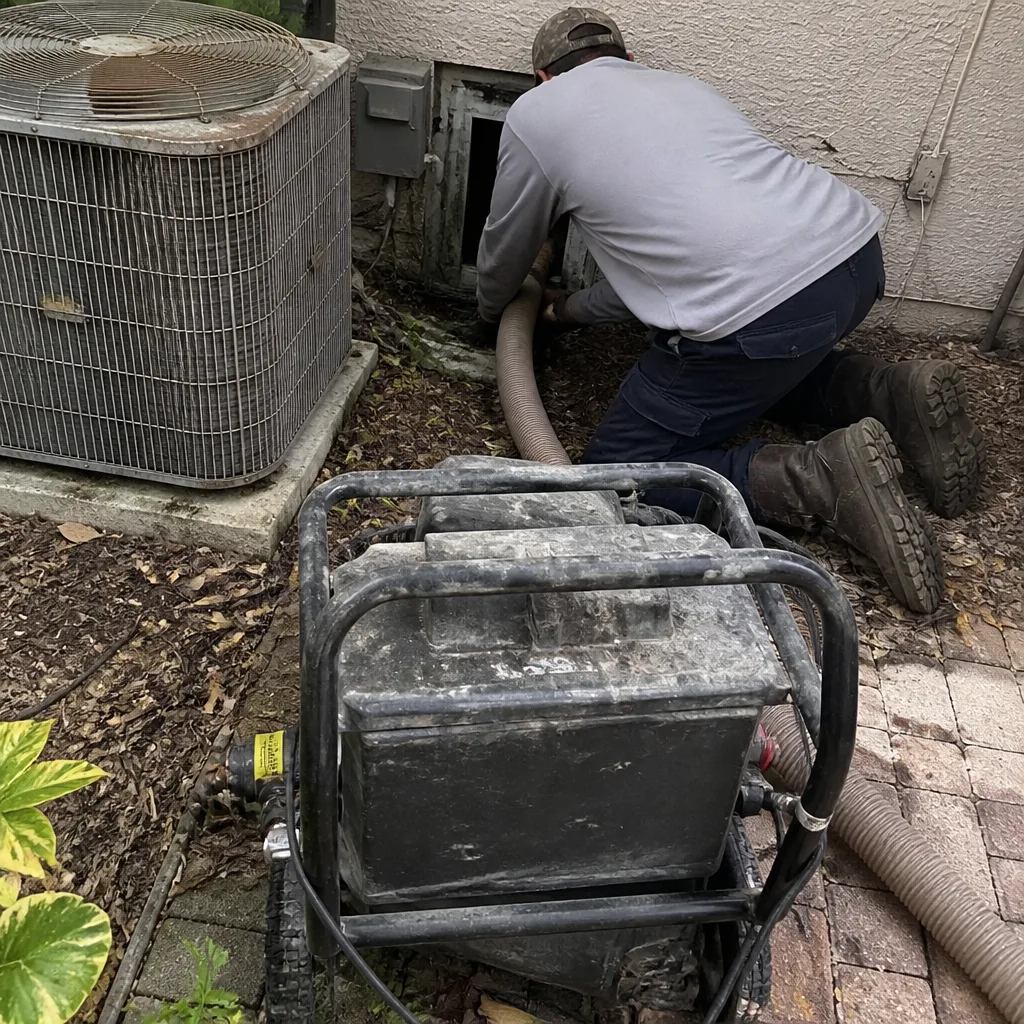 Before
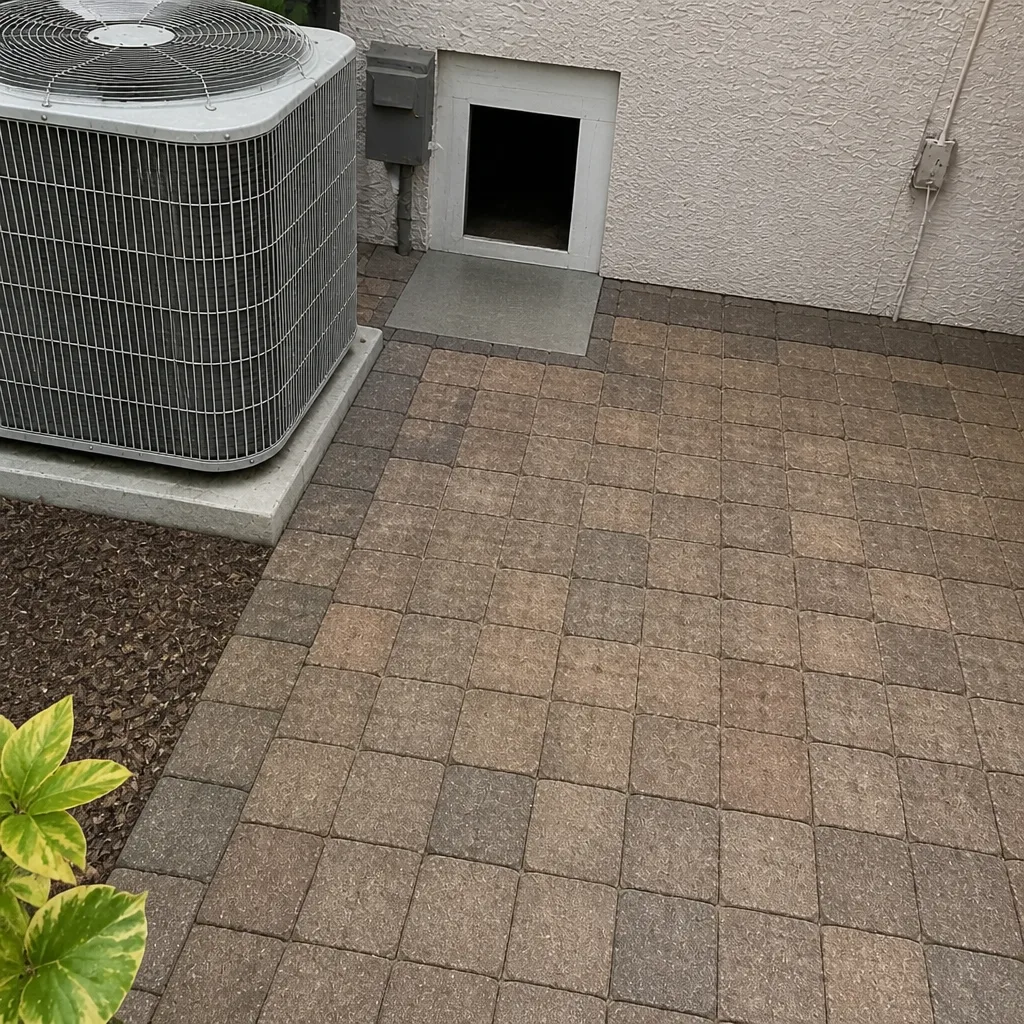 After
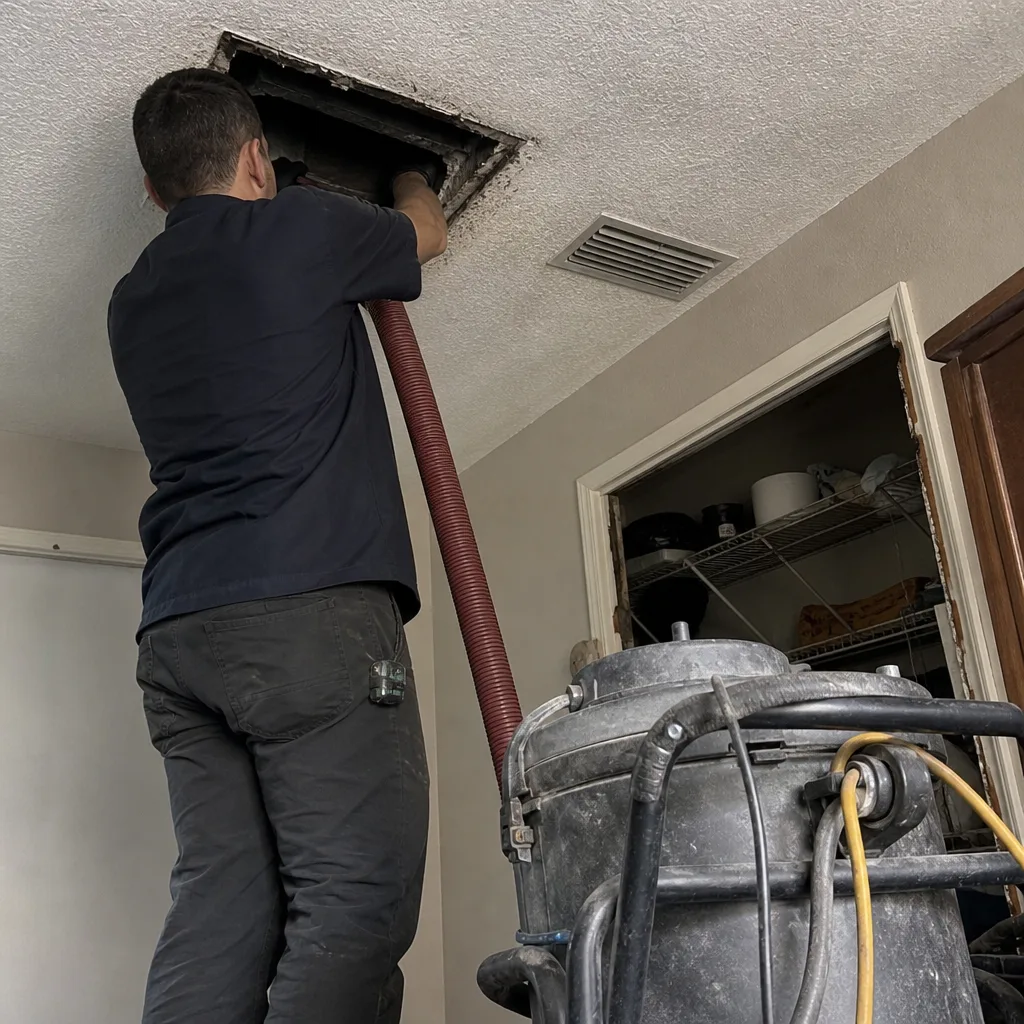 Before
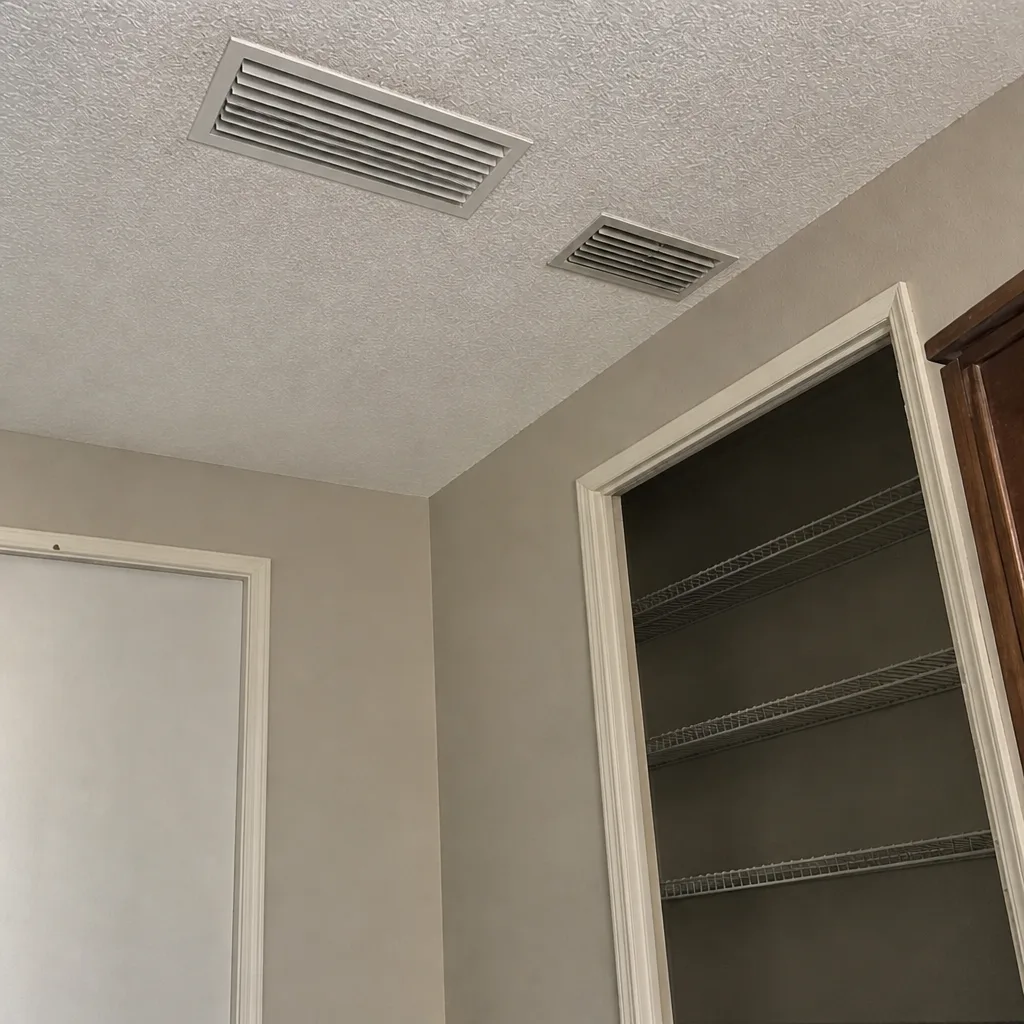 After
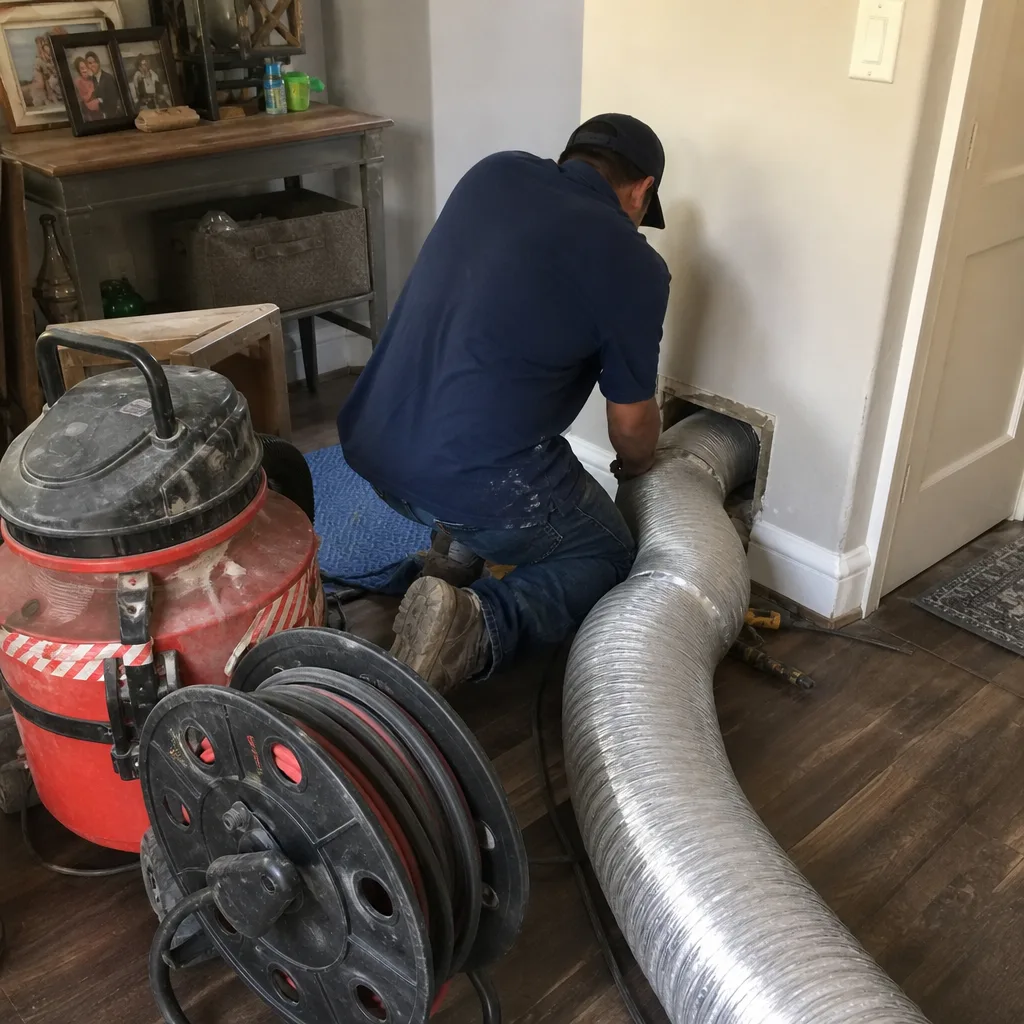 Before
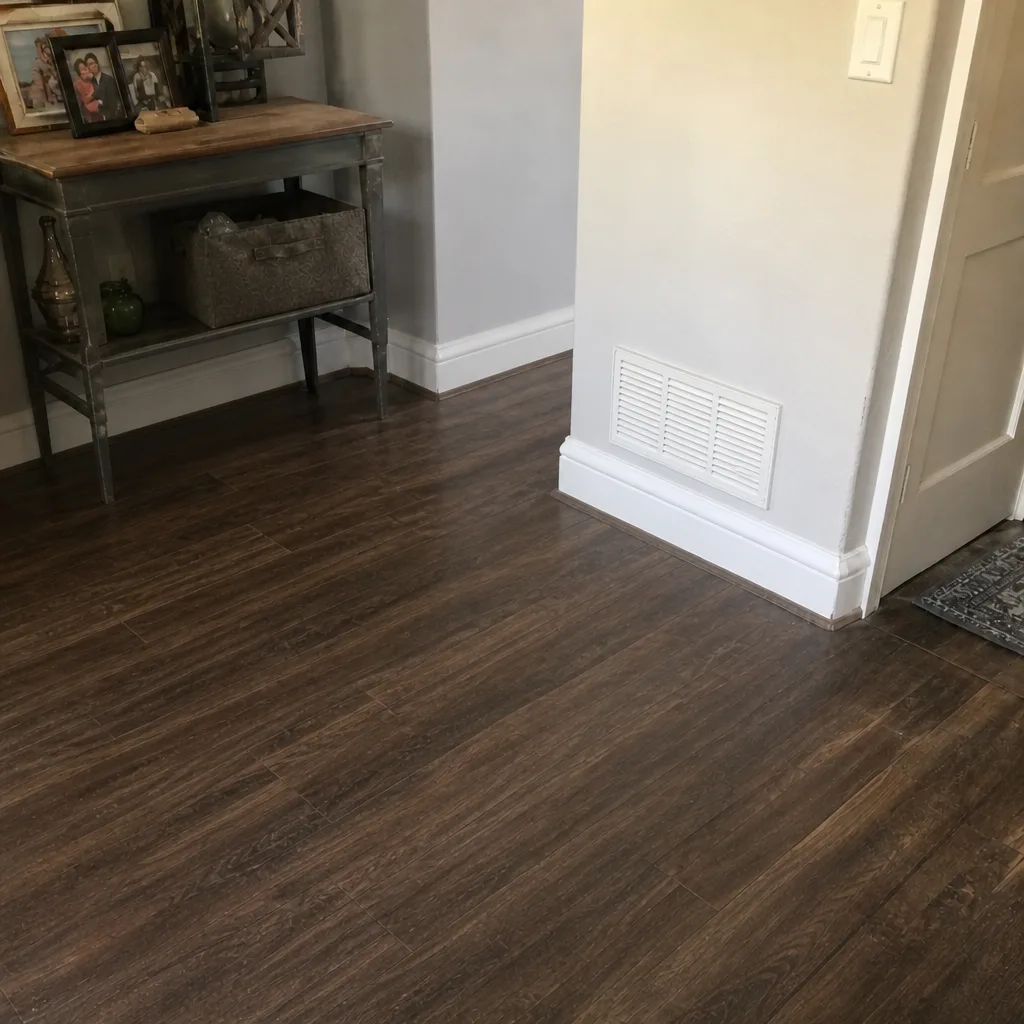 After
When to Call a Professional
Call a professional when the at-home checks point to contamination or ductwork rather than the mechanical system. That means visible dust or debris in the ducts, a musty odor that traces to the system, uneven room temperatures that suggest leakage or a disconnected run, or renovation dust that’s already coated the interior of the ducts. Call an HVAC mechanical contractor first if the blower is failing, the system won’t hold temperature, or a moisture source at the coil or drain pan needs repair. If you’re not sure which applies, a diagnostic visit sorts it out. Harborview Air Duct Cleaning offers free estimates in Coral Springs – call (844) 761-5395. We answer 24/7. Fast dispatch from 7am to 7pm, Sunday through Friday. Our technicians have up to 10 years of experience, and the estimate is free with the price set per job by the written estimate.
Frequently Asked Questions
Airflow that gets worse after a cleaning points to a mechanical cause the cleaning never addressed – a clogged filter, a failing blower, or a coil restriction – or to a duct run that was disturbed during the cleaning. It’s rarely caused by the cleaning itself. Check the filter first, then confirm whether the weakness is house-wide or limited to specific rooms. Call (844) 761-5395 and we’ll help you sort out which professional you actually need.
A musty smell after cleaning almost always means active microbial growth at the air handler or evaporator coil, not residual debris in the ducts. Coral Springs humidity keeps the coil and drain pan wet through much of the year, which feeds the growth if the moisture isn’t controlled. The correct order is to fix the moisture source, then clean. Call (844) 761-5395 for an estimate once the moisture issue is resolved.
Dirty ducts show visible dust, debris in the boots, or odor with normal airflow. Leaky ducts show uneven room temperatures, whistling at grilles, dust streaking around register edges, and rising energy bills with clean filters and good airflow overall. If one or two rooms are consistently off while the rest are fine, that’s leakage, not dirt. Call (844) 761-5395 for an exact quote on repair and cleaning – estimates are free.
Sweating ducts are a condensation problem, not a cleaning problem. Cold supply air moving through an attic whose air is warm and humid condenses moisture on any duct surface that drops below the surrounding dew point. The cause is under-insulated or torn duct insulation in unconditioned space. The fix is insulation and sealing work, not another cleaning pass. Call (844) 761-5395 to book a diagnostic visit.
There’s no fixed interval – it depends on your home. Visible contamination, a recent renovation, persistent odor, or a system that’s been running hard through the long cooling season are the real triggers. Homes with pets, high occupancy, or ongoing construction generally need it sooner than a lightly used home. Call (844) 761-5395 for an exact quote – estimates are free.
No, cleaning by itself won’t fix uneven room temperatures. A hot bedroom with clean ducts is a leakage, balance, or disconnected-run problem, and the fix is duct repair and sealing. Cleaning removes contamination; repair corrects the airflow imbalance. If your rooms are uneven, ask for a leakage diagnosis first. Call (844) 761-5395 for an estimate.
Ask for before-and-after photos of your own ducts, and confirm the equipment being used by name. A professional job uses professional-grade gear – Rotobrush rotary cleaning and Nikro vacuum capture – not consumer equipment, and it comes with visual proof of the before and after state of your system. If a company can’t show you photos of your own ducts, that’s your answer. Call (844) 761-5395 for an estimate with documented results.
A quote that’s dramatically lower usually reflects a much lighter job: less equipment, no real contaminant capture, and no duct repair diagnosis. A proper whole-system cleaning uses professional-grade tools and includes inspection of the ductwork for leakage and insulation problems, which is where the real cost sits. We price one flat rate per system agreed before work starts, not per vent. Call (844) 761-5395 for an exact quote – estimates are free.
The Bottom Line
The biggest lesson in troubleshooting duct problems is learning to tell contamination apart from airflow and moisture faults. Most symptoms homeowners blame on dirty ducts – weak airflow, uneven temperatures, a smell that won’t leave – trace back to a mechanical, leakage, or humidity issue that cleaning can’t touch. Diagnose the mechanical system first, fix any moisture source at the coil or drain pan, then clean and repair the ducts. Coral Springs humidity makes the moisture and insulation checks more important than anywhere, and getting the order right is what stops you paying twice. When the diagnosis points to the ducts, Harborview Air Duct Cleaning offers free estimates – call (844) 761-5395. We answer 24/7. Fast dispatch from 7am to 7pm, Sunday through Friday.
Written by the team at Harborview Air Duct Cleaning.